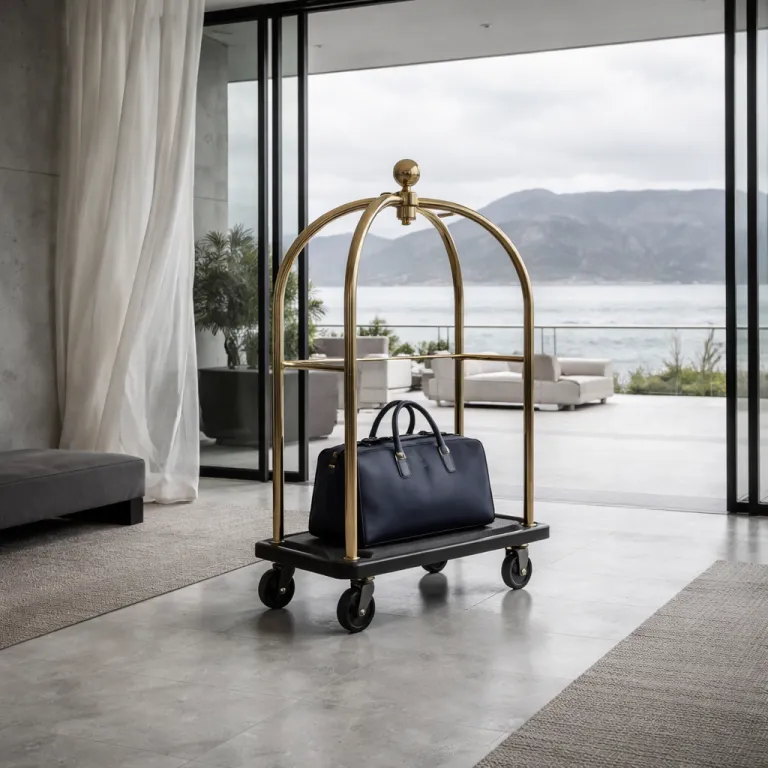
Section 1 – What quiet luxury really means in Cape Town
Quiet luxury in Cape Town is not about hushed lobbies and logo-free luggage. It is about a hotel using local stone, fynbos and art to frame the surrounding mountains rather than itself, letting the city’s drama do the talking. In this coastal city, the most refined luxury style is often the one that feels closest to the land and sea.
Across the city, from the V&A Waterfront to Bantry Bay, the best hotels in Cape Town lean into a sense of place rather than spectacle. You see it in how a house on the Atlantic seaboard opens every room to the bay, or how a manor in Gardens hides a small spa behind wild indigenous gardens. This is where quiet luxury hotels in Cape Town stand apart from louder resort concepts in other parts of South Africa and wider Africa.
The Cape Grace Hotel on its private quay has long been a benchmark for understated service in the city. While the building sits within one of the busiest parts of town, the interiors feel like a private Cape residence, with polished wood, curated art and staff who remember how you take your wine tasting flight. One frequent guest described it as “stepping off the quay and into a friend’s house where everyone somehow knows your name.” That balance between harbour energy and calm interiors is what many travelers now seek when they book hotels on the Cape for both business and leisure.
Newer properties interpret quiet luxury differently, but the philosophy is consistent. The Silo Hotel, carved into a historic grain silo, uses dramatic volumes and glass to frame Table Mountain and the bay panorama, yet the rooms feel cocoon-like, more private gallery than showpiece. In Camps Bay, POD Camps Bay – often shortened to Pod Camps by regulars – strips things back to concrete, timber and glass, letting the beach and surrounding mountains carry the narrative.
Across town and into the leafy City Bowl, Botany House Boutique Retreat shows how a small city house can feel like a resort when the details are right. This adults-only property in Gardens offers only a handful of rooms, but each room opens onto greenery, with a charming pool terrace that feels far from the city. It is one of the quiet luxury hotels in Cape Town travelers choose when they want to be close to Kloof Street’s restaurants but sleep in near total silence.
Travelers comparing discreet high-end hotels in Cape Town will notice a shift away from marble lobbies toward tactile materials and thoughtful light. In South Africa, and especially in Cape Town, the most coveted hotel spa experiences now include local botanicals, sea salt scrubs and views of the bay rather than windowless treatment rooms. This is not cost cutting dressed as minimalism; it is a deliberate move toward authenticity that serious travelers increasingly recognise and reward.
Section 2 – From waterfront icons to hillside hideaways
The evolution of quiet luxury accommodation in Cape Town becomes clearest when you contrast eras along the waterfront. Earlier flagships such as the Table Bay and the One&Only Cape Town were built around scale, chandeliers and big-brand resort energy, which suited a time when the city was still defining its global identity. Today, many discerning guests prefer a hotel that feels like a private house with only a few rooms, even when they stay right in the heart of the city.
Cape Grace, currently in transition, has long embodied this shift with its manor house atmosphere on the quay. While technically a city hotel, it has always felt more like a gracious house on the water, with a small spa, intimate lounges and staff who know the story behind every piece of art. That sense of narrative and restraint is what puts it among the most admired quiet luxury hotels Cape Town has ever produced.
Move away from the harbour and the tone softens further as you climb toward the slopes of Table Mountain. Properties like Kensington Place and Compass House in Bantry Bay have pioneered a quieter style of luxury in town south of the mountain, with terraces that float above the bay and rooms that feel more like private apartments. Here, the indulgence lies in the view lines, the silence at night and the ability to walk down to the city while retreating easily back into calm.
For travelers who want an intimate hillside retreat above the city, it is worth reading a detailed review of an elegant guest house such as an intimate hillside retreat above the city. These properties show how a small house with only a few rooms can compete with much larger hotels when the service and design are right. They also demonstrate how quiet luxury hotels in Cape Town often blur the line between private residence and professional hospitality.
On the Atlantic seaboard, Bantry Bay and Camps Bay remain the most coveted addresses for travelers who want both sea and city access. Ellerman House in Bantry Bay is perhaps the purest expression of Cape quiet luxury, with a museum-grade art collection, terraced gardens and a wine tasting experience that rivals many estates outside town. In Camps Bay, Pod Camps offers a different interpretation, with a stripped-back style that still feels deeply luxurious because every material and line has been considered.
These properties are not marketed as boutique hotels in the loud, trend-chasing sense; instead, they behave like cultivated private homes that happen to have professional teams. Guests book them because they want to feel part of Cape Town’s daily rhythm while still enjoying the privacy of a manor house or cliffside retreat. For many business-leisure travelers, that combination of discretion and access is the new definition of the best hotel experience in South Africa.
Section 3 – How to choose and book quiet luxury in the Mother City
Selecting among quiet luxury hotels in Cape Town can feel overwhelming when every property claims to be serene and exclusive. The first filter should always be location, because the relationship between cape, bay and mountain will shape your stay more than any spa menu. Decide whether you want to wake to the sound of waves in Camps Bay, the harbour hum near the V&A, or birdsong on the slopes of Table Mountain.
For travelers who prioritise seamless arrivals and departures, an overnight at one of the elegant hotels at Cape Town airport can be paired with a longer stay in the city. This split-stay strategy works well for executives who land late, sleep near the airport, then transfer into town the next morning for meetings and leisure. It also allows you to book different hotels across the Cape, experiencing both airport efficiency and inner-city charm.
When comparing options on platforms such as Expedia or direct hotel websites, look beyond glossy images. Quiet luxury hotels in Cape Town usually show more of their rooms, libraries and gardens than their lobbies, and they are transparent about room sizes in square metres. Pay attention to whether the hotel spa is a core part of the experience or an afterthought squeezed into a basement; in true quiet luxury properties, wellness spaces feel integrated into the architecture.
Booking channels matter too, especially in South Africa where some of the most charming house-style properties keep their best offers for direct reservations. Many hotels in Cape Town will match or beat Expedia rates if you contact them directly, and they may include extras such as wine tasting, airport transfers or late checkout. As a practical benchmark, it is often possible to secure a complimentary upgrade or a flexible cancellation policy when you email the hotel with your preferred dates and mention a competing rate.
Business-leisure travelers should also consider how a property supports both work and unwinding. A resort-style hotel on the bay might offer expansive pools and a large spa, but limited quiet corners for calls, while a manor house in Gardens could provide calm lounges, fast Wi‑Fi and easy access to the city’s financial district. The right balance depends on whether your days lean more toward boardrooms or beach walks.
Finally, do not underestimate the value of concierge etiquette and local knowledge in quiet luxury hotels in Cape Town. Staff at properties like Ellerman House, Compass House or Cape Grace often have deep networks across South Africa, from hard-to-get restaurant tables in the city to private wine tasting appointments in the winelands. When a team can orchestrate your entire stay with minimal fuss, the line between hotel and home begins to blur in the best possible way.
Section 4 – Cape Town’s quiet luxury versus the global trend
Quiet luxury has become a global hospitality buzzword, but in Cape Town it carries a specific texture. Here, the interplay between city, mountain and ocean means that any hotel claiming true luxury must first respect the landscape. Properties that ignore the surrounding mountains or the curve of the bay in favour of generic international style quickly feel out of place.
Compared with Europe or Asia, where quiet luxury often leans into heritage palaces or ultra-minimal urban towers, quiet luxury hotels in Cape Town tend to sit somewhere between house and resort. A place like Ellerman House feels as much like a private art-filled manor house as a formal hotel, while Pod Camps in Camps Bay channels a beach house energy with the service of a five-star city property. Even in the heart of town, smaller addresses echo this hybrid identity, offering rooms that feel residential rather than corporate.
The city’s geography also shapes how guests move between experiences. In a single day, you can leave a calm hotel spa in Bantry Bay, drive under Table Mountain into the city for meetings, then head out to the winelands for late afternoon wine tasting before returning to your bay-facing room. That fluidity between urban and natural worlds is rare, even by South African standards, and it encourages hotels to design stays that feel like continuous narratives rather than isolated nights.
Another distinction lies in how Cape Town integrates local creativity into its quiet luxury hotels. Many of the best hotels commission South African artists, ceramicists and furniture designers, turning each room into a subtle gallery of Africa-made work. This is not decorative tokenism; it is a deliberate strategy that aligns with the city’s broader cultural confidence.
Travelers should be wary, though, of properties that use the language of quiet luxury while delivering little more than stripped-back amenities. A truly luxurious hotel in Cape Town will never hide behind minimalism to justify weak service, thin walls or generic rooms. Instead, it will offer a calm aesthetic alongside deep comfort, intuitive staff and a sense that every detail, from the linen to the lighting, has been considered.
For a curated overview of coastal addresses that embody this ethos, the guide to refined resorts in Cape Town for an elegant coastal escape is a useful starting point. It highlights how resorts along the bay manage to feel both glamorous and grounded, with architecture that steps down toward the ocean rather than looming over it. As demand for quiet luxury hotels in Cape Town continues to grow, expect more properties to follow this path, prioritising restraint, locality and a deep respect for the Cape itself.
Key figures on luxury hotels in Cape Town
- According to recent summaries from the Cape Town Tourism Board, the city counts on the order of 40–60 recognised luxury hotels, a significant concentration for a destination of its size in South Africa (figures fluctuate slightly year to year; see the latest Annual Tourism Performance Report, such as the 2022/23 edition, for precise numbers).
- Data from the Cape Town Hospitality Association indicates that the average occupancy rate for high-end hotels in the city has hovered around the low- to mid‑70% range in recent years, reflecting strong year-round demand for premium rooms (for example, the association’s 2023 market overview reports average luxury occupancy in the 72–75% band).
- Booking is available throughout the year, but peak season during the summer months regularly pushes occupancy close to capacity, so travelers seeking quiet luxury hotels in Cape Town should book well in advance, especially for stays over major holidays; securing reservations three to six months ahead is a sensible guideline.
Trusted references
- MICE Travel Advisor – global tourism trends on sustainable trips, wellness retreats and quiet luxury.
- Cape Town Tourism Board – official data on hotel numbers and visitor patterns, updated annually in reports such as the Annual Tourism Performance Report.
- Cape Town Hospitality Association – occupancy statistics and hospitality benchmarks for South Africa’s Mother City, with periodic market reports and quarterly updates.
