Bo-Kaap beyond the postcard: why this area matters
Bo-Kaap sits on the lower slopes of Signal Hill, a short walk from Cape Town’s central business district. This compact historic quarter is where enslaved people from Southeast Asia and across southern and eastern Africa forged a distinct Cape Malay identity that still shapes the city. Any serious Bo-Kaap Cape Town guide for luxury travelers should start with this layered history, not only the colourful houses.
In the eighteenth century, the Dutch East India Company brought enslaved workers from present day Malaysia, Indonesia and various parts of Africa to the Cape, and many of their descendants are now Bo-Kaap residents. Over time, this Malay community blended Islamic faith, local ingredients and imported spices into a culture that feels both coastal and cosmopolitan, yet deeply rooted in South Africa. When you stay on the Cape Town city bowl side of Signal Hill, you are minutes from streets where this history is still lived, not curated only for a tour.
Today the area draws large numbers of visitors each year, yet it remains a residential neighbourhood first. Cape Town Tourism describes it simply and accurately: “Bo-Kaap is a vibrant Cape Town neighborhood known for colorful houses and rich history.” Local organisations such as the Bo-Kaap Civic and Ratepayers Association regularly remind visitors that this is a living community, and a thoughtful guide will help you move through these streets as a respectful guest, not just a camera carrying tourist on a rushed walking tour.
Walking route: from Auwal Mosque to the spice shops
Start your Bo-Kaap Cape Town guide route at Auwal Mosque on Dorp Street, widely recognised as the oldest mosque in South Africa and a cornerstone of Cape Muslim heritage. From here, a gentle walking loop of about 1.5 kilometres lets you explore the steep streets without rushing, which is one of the best ways to understand how the houses and mosques relate to the mountain and the city. Wear comfortable shoes for any walking tour, because the cobbled streets and sharp inclines can surprise even seasoned travel couples.
From Auwal Mosque, walk up towards Wale Street where the most photographed colourful houses line the hill, then turn into Chiappini Street and loop back via Rose Street. This route keeps you mostly within the historic Bo-Kaap grid, passing family owned corner shops, small cafés serving Cape Malay snacks and the occasional local tailor or spice merchant. Plan at least one relaxed town day segment here, ideally in the late afternoon when the light softens and the city noise drops away.
Photography is welcome, yet remember the local guidance: “Can I take photos in Bo-Kaap?” and the answer, “Yes, but respect residents’ privacy.” For deeper context on experiences locals actually recommend in Cape Town beyond this area, pair this stroll with a curated list of things to do in the city that goes further than Table Mountain. A private guide who specialises in Bo-Kaap, such as a resident-led operator affiliated with the Bo-Kaap Museum, can also turn this simple route into a nuanced walking tour that links architecture, faith and food in ways guidebooks rarely manage.
Bo-Kaap Museum and the architecture of the colourful houses
The Bo-Kaap Museum on Wale Street is the intellectual anchor of any serious Bo-Kaap Cape Town guide. Housed in one of the oldest surviving town houses in the area, it recreates the domestic life of a typical Cape Malay family from the eighteenth century, with furniture, textiles and religious objects arranged as if the residents have just stepped out. This compact museum rewards slow travel, because each room reveals how Cape Malay households blended imported traditions with the realities of life at the southern tip of Africa.
Architecturally, the houses visitors admire today began as modest rental dwellings for artisans and freed slaves, built close together along narrow streets to maximise limited Cape Town land. Over time, residents painted these houses in vivid shades of turquoise, fuchsia and lime, creating the colourful houses that now define the area in every travel brochure. Some locals explain that the bright paint marked the end of slavery and the ability to own property, while others simply say it reflects a joyful culture that refuses to fade into the grey of the modern city.
As property values in the city bowl have risen, these historic houses have become contested ground between heritage and development. A 2019 City of Cape Town report noted that short term rentals in central neighbourhoods had grown by double digits in just a few years, intensifying pressure on long term housing. When you tour Bo-Kaap streets with a responsible operator, ask how your visit contributes to preservation rather than displacement, and choose experiences that keep economic benefits with local families.
Cape Malay food, cooking classes and where to eat
Cape Malay cuisine is the flavour backbone of this city, and Bo-Kaap remains its spiritual kitchen. Dishes like bobotie, samoosas and syrup soaked koeksisters combine Southeast Asian spice profiles with local South African ingredients, creating food that is fragrant rather than fiercely hot. Any refined Bo-Kaap Cape Town guide should steer you towards family run kitchens and structured cooking class experiences, not only the most photographed cafés.
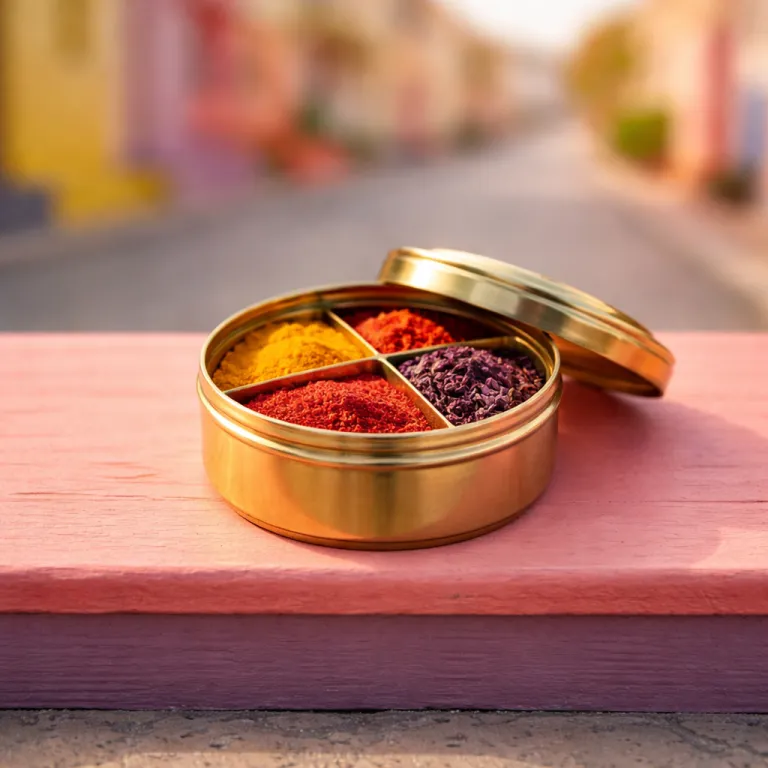
Several local households now host intimate cooking class sessions where you grind spices, fold samoosas and learn why certain dishes appear on specific religious holidays. These experiences often start with a short walking visit to a nearby spice shop, where your host explains how traders once brought cinnamon, cardamom and cloves to the Cape from across Africa and Asia. For couples who travel for taste, this is one of the best things you can do in the area, because it links recipes to family stories and to the wider history of South Africa.
When you stay in a luxury hotel in the city bowl, ask the concierge to recommend restaurants that employ Bo-Kaap residents or source directly from local suppliers. Many fine dining kitchens in Cape Town now reinterpret Cape Malay flavours in tasting menus, yet the most memorable meals often happen at simple tables in side streets where the town check comes with a conversation. Balance at least one polished dinner with a home style lunch in the area, so your tour of flavours feels grounded rather than staged.
Gentrification, respectful tourism and where to stay nearby
Bo-Kaap sits at a fault line between heritage and high finance, and any honest Bo-Kaap Cape Town guide must address that tension. As the wider Cape Town property market has surged, investors have targeted this area for short term rentals and speculative development, pushing up prices for long term residents. The result is a visible shift in some streets, where renovated town houses sit beside family homes that have anchored the community for generations.
For luxury travelers, the ethical response is not to avoid the area, but to engage with it thoughtfully. Local civic groups such as the Bo-Kaap Civic and Ratepayers Association have documented how rising rates and zoning changes affect residents, and they consistently call for tourism that supports community life. Choose a walking tour or storytelling experience led by Bo-Kaap residents, not only by large external operators, so that your travel spend supports local guides and community organisations.
Many couples prefer to stay just outside Bo-Kaap in the city bowl or in nearby De Waterkant, then walk or take a short ride into the area for structured experiences. For a broader view of where to base yourself in the Cape region, consult an elegant guide to the best towns on the Cape for luxury stays. From there you can plan a town day that links Bo-Kaap with Signal Hill at sunset, perhaps ending with a quiet moment looking back over the city whose history these streets helped to write.
Practical tips for luxury stays and curated Bo-Kaap itineraries
Base yourself within a ten minute drive of Bo-Kaap if this area is central to your Cape Town plans. The city bowl, V&A Waterfront and De Waterkant offer high end hotels and serviced apartments that make it easy to check in and out of the neighbourhood several times during your stay. From these bases you can weave Bo-Kaap visits between winelands excursions, coastal drives and art tours across South Africa.
Plan at least one structured walking tour with a specialist operator, then leave time for unhurried returns to favourite streets or cafés. A typical curated itinerary might include a morning walking loop with Auwal Mosque and the Bo-Kaap Museum, a midday cooking class in a family kitchen and an afternoon drive up Signal Hill for views over the city and the harbour. On another town day, you could focus on photography and architecture, tracing how the colourful houses shift in tone as the light moves across the Cape.
Luxury travelers often ask whether it is better to stay in Bo-Kaap itself or simply visit from elsewhere in the city. At present, the most responsible choice is usually to stay nearby and treat Bo-Kaap as a lived in residential quarter where you are a guest, not a temporary landlord. Respect local customs, dress modestly near mosques, keep noise low in the evenings and remember that behind every painted façade are families whose history stretches far beyond your brief tour of Africa.
FAQ
What is Bo-Kaap best known for ?
Bo-Kaap is best known for its colourful houses, steep cobbled streets and its role as the historic heart of Cape Malay culture in Cape Town. The area showcases the heritage of descendants of enslaved people from Malaysia, Indonesia and various parts of Africa who helped shape the city. This combination of architecture, food and living history makes it a key stop in any thoughtful Bo-Kaap Cape Town guide.
Is Bo-Kaap safe for visitors ?
Bo-Kaap is generally safe for visitors during daylight hours, especially if you stick to main streets and join a reputable walking tour. As in any major city in South Africa, you should exercise usual precautions, avoid displaying valuables and use registered taxis or ride hailing services after dark. Staying in nearby central areas and visiting with a local guide adds an extra layer of comfort and context.
Can I take photos of the colourful houses ?
You can take photos of the colourful houses and streets, as they are part of the public urban landscape. However, many homes are still privately occupied, so avoid photographing people without permission and do not step onto stoops or into doorways without being invited. The community guidance is clear: “Can I take photos in Bo-Kaap?” and the answer, “Yes, but respect residents’ privacy.”
How long should I spend in Bo-Kaap during my stay ?
Plan at least half a town day for Bo-Kaap, which allows time for a guided walking tour, a visit to the museum and a relaxed meal. Travelers with a deeper interest in Cape Malay food and history may want to return for a second visit focused on a cooking class or photography. Because the area is close to the city centre and Signal Hill, it is easy to integrate multiple short visits into a longer Cape Town itinerary.
Where should luxury travelers stay to explore Bo-Kaap comfortably ?
Most luxury travelers choose to stay on the city bowl side, at the V&A Waterfront or in De Waterkant, all within a short drive or walk of Bo-Kaap. These districts offer premium hotels and serviced apartments with strong concierge teams who can recommend local guides, arrange private tours and secure restaurant bookings. This approach lets you enjoy high end amenities while visiting Bo-Kaap respectfully as a guest in a living neighbourhood.