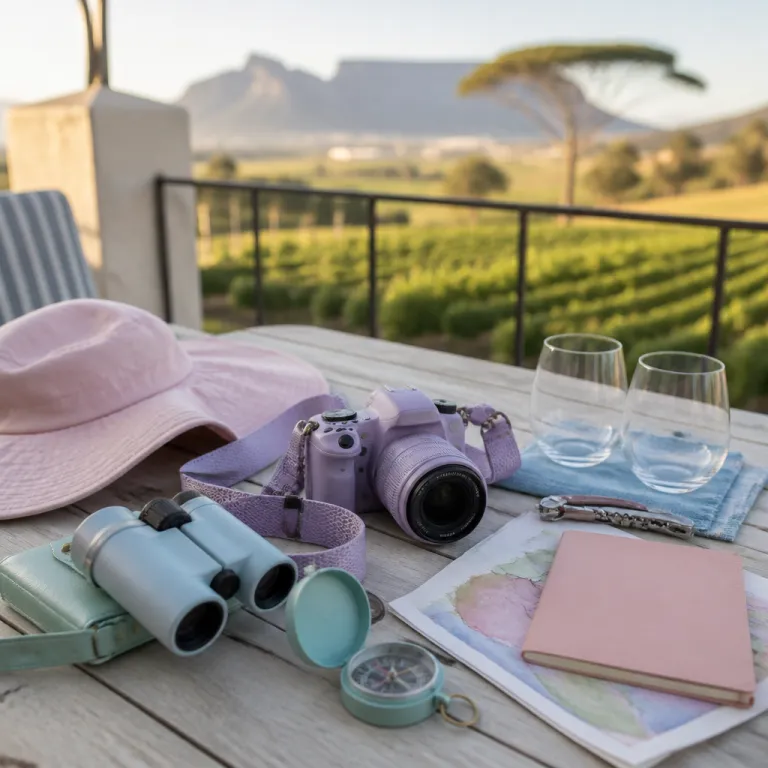
Southern Africa travel at its finest: Cape Town, Winelands and Kruger safari stays
Southern Africa travel at its finest: Cape Town, Winelands and Kruger safari stays
Southern Africa travel offers an unrivalled blend of Cape Town glamour, serene Winelands and immersive Kruger safari lodges. For travellers booking luxury hotels, the magic lies in how these Africa south experiences connect into one seamless journey across South Africa. A carefully curated route lets you enjoy a cosmopolitan Cape Town hotel, a refined Cape Winelands retreat and a private Kruger safari lodge without sacrificing comfort or time.
Many specialist tour designers who craft personalised South African itineraries consider this trio the backbone of high-end city, vineyard and safari journeys. The classic pattern runs for about nine days, with several days in the city, a few days among vineyards and a final stretch in a national park near the Kruger reserves. This balance gives you urban culture, wine country calm and intense wildlife game viewing in one African journey.
On the coast, Cape Town hotels frame Table Mountain and the Atlantic, while inland the Cape Winelands offer historic estates within 50 km of the city. From there, a short flight carries you north to a safari lodge on a private reserve bordering Kruger National Park, where big game and dramatic sunsets fill each day. This is where contemporary safari design meets the raw drama of African wildlife and delivers the best of Southern Africa in a single trip.
Most premium booking platforms now present this as a single Cape Town–Winelands–Kruger travel package. You will often see flexible options for seven, nine or twelve days, with extra nights added either in Cape Town or on safari for deeper game drives. The most exclusive itineraries include private transfers, charter flights and personalised day tour options that link city, vineyard and park with minimal waiting time.
Within Kruger National Park itself, high-end lodges such as Singita Lebombo offer a different level of privacy and design. These properties sit in private concessions inside the park, which allows off-road game drives and fewer vehicles at each sighting during your Kruger safari. For many guests, staying at a safari lodge like Singita Lebombo turns a standard Kruger holiday into a once-in-a-lifetime luxury safari experience.
Across Southern Africa, the best properties understand that travellers want both comfort and authenticity. That is why leading Africa south specialists now combine Cape Town hotels, Cape Winelands manors and Sabi Sands or Timbavati safari lodge stays in one booking flow. Done well, this approach delivers year-round appeal, because the coast, vineyards and national park ecosystems peak at slightly different times, smoothing out seasonal dips.
Hidden gem neighbourhoods in Cape Town for luxury hotel stays
Cape Town is often reduced to a few famous postcard views, yet its hidden neighbourhoods hold some of the city’s most characterful luxury hotels. For travellers planning combined coastal, Winelands and Kruger safari routes, choosing the right district shapes every day and night. The goal is to stay close enough to the action for easy day tour options, while enjoying quiet streets, walkable cafés and discreet service.
De Waterkant stands out as a compact, walkable Cape Quarter with cobbled lanes and colourful houses. Many premium properties here offer rooftop pools with game-viewing-style vistas over the harbour and Table Mountain, echoing the drama of a later Kruger safari. A detailed guide to staying in De Waterkant, Cape Town’s walkable village shows how leaving your car keys at reception can transform your days in town.
Further along the Atlantic seaboard, areas such as Bantry Bay and Fresnaye host some of the best ocean-facing hotels. These districts sit on the cape’s curve, sheltered from the wind, which makes poolside days more comfortable in cooler months. Guests often pair two or three days here with later days at a safari lodge, creating a soft landing before the intensity of African wildlife encounters.
For travellers who value culture, the City Bowl and Gardens area offers elegant heritage properties near museums and galleries. Staying here places you close to departure points for Cape Peninsula day tour excursions, Robben Island ferries and evening dining in the city. It also keeps transfer times short when you leave town for the Cape Winelands or Cape Town International Airport en route to Kruger national reserves.
When you book, pay attention to how hotels describe their views and access. A room facing the Cape Town skyline or the harbour can feel very different from one facing the mountain, especially on longer stays of five or more days. For many guests, alternating between a city-view room and a sea-facing suite over different days creates variety without changing hotel.
As many African safari specialists note, guided safaris in Kruger are safe because they follow strict protocols; the same principle applies to cities, where reputable Cape Town hotels offer secure parking, concierge advice and vetted private drivers for evening transfers. Choosing these properties through a trusted luxury booking website ensures that your Africa south city base matches the safety and service levels you expect later on safari.
Hidden gem neighbourhoods also matter for logistics. Being close to the main highways towards the Garden Route or the airport can save an entire day when you connect to Kruger national flights. In practice, this means that a well-chosen Cape Town address becomes the quiet anchor of your wider Cape Town, Winelands and Kruger safari journey.
Cape Winelands retreats that pair perfectly with Kruger safari lodges
The Cape Winelands form the gentle middle chapter between coastal city and wild park, and they reward travellers who linger. Vine-covered valleys around Stellenbosch and Franschhoek host some of South Africa’s most refined country hotels, many with on-site vineyards and acclaimed restaurants. For guests booking combined Cape Town, Winelands and Kruger itineraries, these properties offer a calm reset between urban energy and intense game drives.
Most Winelands hotels sit within 45 to 60 minutes of Cape Town by road, which makes transfers short and scenic. Many travellers choose two or three days here, using one day for guided wine tastings and another day for spa time or gentle walking safaris through fynbos-covered hills. With more than 150 wineries in Stellenbosch alone, according to regional tourism data, there is ample choice for curated cellar visits.
Some estates now design packages that explicitly link to a later Kruger safari or Sabi Sands stay. You might see offers that include a final-night dinner paired with wines chosen to match African game dishes you will taste at your safari lodge. This kind of thoughtful detail helps your palate travel from Cape Winelands terroir to the flavours of the bush in a single, coherent story.
For travellers who value privacy, look for Winelands suites with plunge pools and vineyard views. These rooms echo the seclusion of a private safari lodge suite in the Kruger reserves, easing the transition between landscapes. They also work well for year-round travel, because the Winelands remain attractive in cooler months when fireplaces and long lunches replace poolside days.
Planning tools matter here too. A refined Sabi Sands map for luxury safari planning helps you visualise how far your chosen lodge sits from key gates and airstrips. When you align this with your Winelands stay, you can avoid awkward midday transfers and instead enjoy a relaxed morning in the vineyards before an afternoon flight to Africa’s most famous national park region.
Many travel writers who explore South Africa’s scenic safari routes highlight how the road from Cape Town to Kruger national areas can become part of the experience. Combining the Garden Route, the Cape Winelands and a Kruger safari creates a layered sense of place, with changing light, vegetation and small towns along the way. For many readers, this validates the idea that Cape Town, Winelands and Kruger journeys should be savoured, not rushed.
When comparing properties, look at how each hotel handles early departures and late arrivals. Some Winelands retreats offer flexible breakfast times and luggage storage for guests catching mid-morning flights to Kruger airstrips such as Skukuza or Hoedspruit. These small operational touches can turn a complex multi-stop itinerary into a smooth, restful progression from cape to park.
Choosing your Kruger safari lodge: Sabi Sands, Singita Lebombo and beyond
Once you leave the coast and vineyards behind, the focus shifts to wildlife and the right safari lodge choice becomes critical. The greater Kruger National Park ecosystem covers nearly 19 500 km², including the main park and neighbouring private reserves such as Sabi Sands and Timbavati. Within this vast African landscape, lodge locations, guiding quality and game-drive policies vary significantly.
Sabi Sands is often considered one of the best areas for consistent Big Five sightings, thanks to its unfenced border with Kruger National Park and long history of conservation. Here, private reserves limit vehicle numbers, which improves game viewing and keeps drives intimate, especially during peak days. Many Cape Town, Winelands and Kruger itineraries therefore end with three or four days in Sabi Sands, balancing cost and depth.
Singita Lebombo, located in a private concession inside Kruger National Park, offers a different style of luxury safari. Its cliffside suites overlook a river, giving guests front-row seats to African wildlife even between game drives. For travellers who value design and tranquillity, Singita Lebombo can be the highlight of their entire Africa south journey.
Private reserves such as Sabi Sands and concessions like that of Singita Lebombo also allow night drives and, in some cases, limited off-road tracking. These policies increase the chances of seeing elusive predators and rare behaviours during your Kruger safari. They also mean that each day feels distinct, with morning, afternoon and sometimes evening drives revealing different facets of the park.
Walking safaris are another factor to consider when choosing a lodge. Some properties in the greater Kruger region specialise in guided bush walks, which offer a slower, more tactile way to experience the African environment. Combining two days of intensive vehicle-based game drives with one or two days of walking safaris can create a richer, more varied stay.
When booking through a luxury-focused website, look for clear information on guide qualifications, vehicle configuration and maximum guests per drive. A lower number of guests per vehicle usually translates into better game-viewing angles and more flexible stops during each day-tour-style excursion. Over several days, these details can matter more than room size or even lodge architecture.
Finally, consider how your chosen safari lodge fits into the broader Cape Town, Winelands and Kruger arc. A highly contemporary property such as Singita Lebombo might pair best with modern Cape Town hotels and sleek Winelands retreats. By contrast, a more traditional thatched lodge in Sabi Sands could harmonise with heritage townhouses and classic Cape Winelands manors earlier in your trip.
Designing a seamless Cape Town, Winelands and Kruger itinerary
Building a coherent itinerary is where a good luxury booking website proves its worth. The aim is to link Cape Town, the Cape Winelands and a Kruger safari lodge into one flowing narrative, without wasted days or awkward transfers. Done well, your combined Cape Town, Winelands and Kruger route will feel effortless from first check-in to final game drive.
A popular pattern starts with four days in Cape Town, followed by two days in the Winelands and three days on safari. This nine-day structure mirrors itineraries used by leading Africa south specialists, balancing city time, vineyard relaxation and intense wildlife viewing. It also leaves room for optional day tour add-ons, such as a Cape Peninsula circuit or a helicopter flight over the Atlantic cape coastline.
Transport choices shape the feel of the journey. Scheduled flights between Cape Town and airports near the Kruger reserves, such as Skukuza or Kruger Mpumalanga International Airport, keep travel times short, while private charters add flexibility for families or groups. On the ground, private transfers between town, vineyards and airports ensure that every day remains focused on enjoyment rather than logistics.
Some travellers extend their route along the Garden Route, adding two or three days of coastal scenery and gentle outdoor activities. This works especially well for year-round travel, because the Garden Route’s mild climate complements both the cooler Cape Town winters and the warmer Kruger safari season. In such cases, the itinerary might stretch to twelve or fourteen days, with extra nights in small coastal towns.
For those seeking even more drama, a side trip to Victoria Falls can be added after the Kruger safari. Flights from airports near Kruger National Park connect via Johannesburg to Victoria Falls, allowing two or three days at the waterfall before flying home. This extension turns a strong Cape Town, Winelands and Kruger itinerary into a grand African circuit.
When using a premium booking platform, look for dynamic packaging tools that show how changing one lodge or hotel affects the rest of the route. Swapping a Cape Town property for one in a different neighbourhood might alter transfer times to the Winelands or the airport. Over several days, these small shifts can add up to more or less time on the road, so clarity is essential.
Finally, consider seasonality and personal rhythm. Some guests prefer to start with the intensity of a Kruger safari and end with quiet days in the Cape Winelands and Cape Town, while others like to build towards the drama of big game. There is no single best order, but a thoughtful Cape Town, Winelands and Kruger plan will always respect your pace and interests.
How luxury booking platforms curate hidden gem stays for discerning travellers
Behind every polished itinerary sits a network of specialists who know South Africa’s properties in detail. Luxury booking websites increasingly rely on local partners, from Cape Town hoteliers to safari lodge managers, to keep their data accurate and their recommendations sharp. This collaboration is especially important for hidden gem destinations that rarely appear on mass-market Africa south platforms.
Curated collections often highlight lesser-known town districts, private reserves and family-run wine estates. For example, a platform might feature a small Cape Winelands manor that pairs well with a specific Sabi Sands lodge, because transfer times and guest profiles align. Over several days, such thoughtful pairings create a sense of continuity that guests feel but may not consciously notice.
These platforms also vet properties for safety, sustainability and guiding standards. In the Kruger region, that means checking that safari lodge guides are properly qualified, vehicles are well maintained and game drives follow ethical wildlife viewing protocols. In Cape Town and the Winelands, it involves assessing security measures, water usage and community engagement.
Technology now allows real-time adjustment of Cape Town, Winelands and Kruger plans. If heavy rain affects a day tour in Cape Town, a responsive platform can shift activities to another day and bring forward a wine tasting or spa treatment. On safari, it might coordinate with lodge staff to adjust game drives or walking safaris based on recent wildlife movements.
For travellers, the visible side of this work appears as clear room descriptions, honest photography and transparent pricing. The best platforms explain whether a lodge sits inside Kruger National Park, in Sabi Sands or in another private reserve, and how that affects game viewing. They also clarify what is included in the rate, from twice-daily game drives to all meals and selected drinks.
Hidden gem content plays a growing role too. Articles about places such as Timbavati or lesser-known Cape coastal towns help guests look beyond the obvious, without sacrificing comfort or safety. A detailed guide to a hidden Timbavati lodge for Cape Town travellers can inspire guests to swap a crowded area for a quieter, equally rich wildlife region.
Ultimately, the value of a luxury booking website lies in how well it translates on the ground. When your Cape Town, Winelands and Kruger safari unfolds exactly as described, from the first Cape Town sunset to the last Kruger drive, trust deepens. That trust then becomes the foundation for future journeys across Africa, whether along the Garden Route, to Victoria Falls or into other national park landscapes.
Practical tips for elevating your Cape Town to Kruger journey
Thoughtful preparation turns a good itinerary into an exceptional one. For a Cape Town, Winelands and Kruger route, packing, timing and small habits all shape how each day feels. With a few expert-backed adjustments, you can move smoothly from Cape Town’s city streets to remote African bush without stress.
Layered clothing is essential, because temperatures shift between coastal cape breezes, cool Winelands mornings and warm Kruger afternoons. A light down jacket, neutral layers and a wide-brimmed hat will serve you well on early game drives and evening drinks on lodge decks. Comfortable walking shoes work for both city pavements and gentle walking safaris around your safari lodge.
Booking key experiences in advance matters, especially in peak months. Wine tastings at sought-after Cape Winelands estates, helicopter flights over the Cape Peninsula and private day tour excursions can sell out weeks ahead. On safari, limited vehicle seats mean that last-minute changes to game drives are not always possible.
Health and safety preparation should be straightforward but thorough. Consult your doctor about vaccinations for South Africa and carry any prescribed malaria prophylaxis if your Kruger safari lodge lies in a risk area. A small medical kit, high SPF sunscreen and insect repellent will cover most day-to-day needs across town, vineyards and park.
Time management also plays a quiet but powerful role. Aim to arrive in Cape Town at least one day before any fixed activities, giving yourself time to rest and adjust. Similarly, avoid scheduling international flights on the same day as your final game drives, because delays from remote airstrips can occur.
Finally, embrace a slower mindset once you reach the bush. Game viewing is never guaranteed, even in the best areas of Sabi Sands or Kruger National Park, and patience often leads to the most memorable sightings. Over several days, you will likely see a wide range of wildlife, from big cats to small, intricate African birdlife, and the rhythm of drives, meals and rest will become its own quiet luxury.
Key figures for Cape Town, Winelands and Kruger travel
- Cape Town’s average temperature in July is about 13 °C, according to regional climate data, which means cool, often clear days ideal for city walks and wine tastings.
- Stellenbosch alone hosts around 150 wineries, based on tourism statistics, giving Cape Winelands visitors a vast choice of cellar doors within a compact area.
- Kruger National Park covers approximately 19 485 km², making it one of Africa’s largest national park reserves and allowing extensive habitat diversity for wildlife viewing.
- Classic combined itineraries often run for nine days, with four days in Cape Town, two days in the Winelands and three days on safari, balancing urban culture, vineyard relaxation and big game experiences.
- Peak shoulder seasons for Cape Town visits are typically April to May and September to November, when mild weather and fewer crowds improve both city touring and transfers to the Winelands.
FAQ about luxury Cape Town, Winelands and Kruger stays
What is the best time to visit Cape Town on a combined safari trip ?
April to May and September to November offer mild weather and fewer crowds, which makes them ideal for combining Cape Town with the Cape Winelands and a Kruger safari. These periods also align well with good wildlife viewing in the greater Kruger region. Travellers who prefer quieter hotels and more flexible day tour options often choose these shoulder seasons.
Are safaris in Kruger safe for first time visitors ?
Guided safaris in Kruger National Park and neighbouring private reserves such as Sabi Sands follow strict safety protocols. Professional guides receive extensive training in wildlife behaviour, vehicle positioning and guest management, which keeps risks low during game drives and walking safaris. Choosing a reputable safari lodge through a trusted luxury booking website further enhances safety and comfort.
How many days should I spend on safari versus in Cape Town ?
A balanced Cape Town, Winelands and Kruger itinerary usually includes three or four days on safari and three or four days in Cape Town. This allows enough time for multiple game drives, rest periods and varied city experiences without feeling rushed. Adding two days in the Cape Winelands creates a natural pause between urban energy and intense wildlife viewing.
Do I need special vaccinations for travel between Cape Town and Kruger ?
Health requirements can change, so you should consult your doctor or a travel clinic before visiting South Africa. Common recommendations for many travellers include vaccinations for hepatitis A and typhoid, especially if you plan rural stays beyond Cape Town and the Winelands. If your Kruger safari lodge lies in a malaria area, your doctor may also suggest prophylactic medication.
Can I combine Victoria Falls or the Garden Route with my Kruger safari ?
Many travellers extend their Cape Town, Winelands and Kruger route with either the Garden Route or Victoria Falls. The Garden Route fits naturally between Cape Town and the Winelands or before flying to Kruger airports, adding coastal scenery and gentle outdoor activities. Victoria Falls usually works best as a post-safari add-on, reached via flights from airports near Kruger National Park through Johannesburg.
