From silo to skyline: why Cape Town is rewriting hotel architecture
Cape Town has reached a turning point in hotel architecture, and it shows in every new lobby and reimagined grain silo. The city is moving beyond generic luxury to a layered design language where contemporary lines, African art, and the drama of the Cape landscape are treated as a single composition. For business and leisure travelers, this shift in hotel architecture and interior design means your choice of hotel now says as much about your values as your room category.
A major catalyst was the transformation of the historic grain silo building at the V&A Waterfront into the Zeitz Museum of Contemporary Art Africa and the adjacent Silo Hotel. When Thomas Heatherwick and Heatherwick Studio carved cathedral-like voids into the concrete grain elevator, they proved that a former industrial silo on the edge of Cape Town’s harbour could become a luxury hotel and a museum contemporary enough to anchor global art culture. As the V&A Waterfront’s official project overview notes, the conversion involved cutting through 42 concrete tubes to create a central atrium, turning the silo into “a civic space for art on a scale not previously seen in Africa.” That project reset expectations for what a hotel property in South Africa can be, especially when architects treat heritage, African art, and hospitality as one project rather than separate briefs.
Since then, Cape Town has seen a wave of design-led openings and renovations that treat architecture as strategic infrastructure, not just a façade. The Table Bay Hotel at the V&A Waterfront is undergoing a reported R1 billion refurbishment, widely described in local business media as one of the largest heritage hotel renovations in the city, and its building fabric is being carefully upgraded rather than stripped, to save its original character while aligning with contemporary sustainability standards. A project spokesperson has spoken of “replacing more than 20 000 square metres of finishes while preserving the hotel’s recognisable silhouette,” underscoring the scale of the work. This is where thoughtful hotel architecture becomes a business decision: a well-considered building will hold its value, attract design-literate guests, and reduce long-term operating costs through better orientation, shading, and material choices.
International architects now arrive in Cape Town with a different brief from owners and operators. They are asked to bring global polish while amplifying South African identity, not smoothing it out, and that means working closely with local architects who understand the grain of the city. For travelers, the result is a new generation of luxury hotel interiors that feel unmistakably rooted in Cape Town, from the way light hits a textured wall at sunrise to the curated mix of Art Africa pieces and contemporary art installations in public spaces.
The Neri & Hu effect: sense of place as a design operating system
Into this context steps Neri & Hu, the Shanghai-based architects behind the upcoming Cape Town Edition, and their arrival signals a new chapter in design-led hospitality in the city. Known globally for a rigorous approach to narrative and materiality, Neri & Hu treat each hotel as a project that must earn its place in the city rather than float above it. In Marriott International’s announcement of the Edition brand’s South African debut, the studio is credited as lead design architect, working alongside local collaborators. Their work in South Africa follows a clear objective: blend modern aesthetics with local culture, enhance guest experience, and showcase innovative design that respects the existing urban grain.
The Cape Town Edition pairs Neri & Hu with StudioMAS, a respected local practice that has already shaped the V&A Waterfront skyline and understands the microclimates of the Cape. StudioMAS, which previously worked on the Watershed and other waterfront projects, describes its approach as “urban acupuncture” that stitches new buildings into existing streets and public spaces. This collaboration model matters, because international architects bring a wide lens on contemporary luxury while local architects read the city fabric, the wind patterns, and the cultural codes that outsiders might miss. When architects of this calibre work together, the building becomes more than a luxury hotel; it becomes a calibrated response to South Africa’s layered history, from colonial façades to post-industrial waterfronts and the evolving art culture of the city.
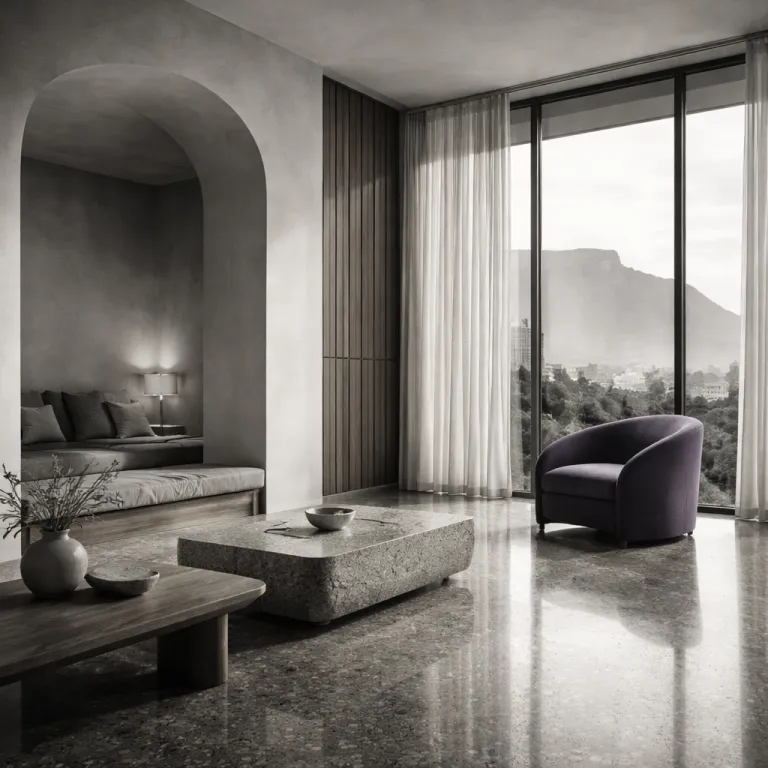
Neri & Hu’s philosophy is often summarised as a pursuit of “sense of place”, but in Cape Town that phrase has real architectural consequences. Expect interiors that frame Table Mountain and the working harbour rather than hide them, and public spaces that integrate African art and contemporary art commissions instead of generic prints. Early design statements reference the use of locally quarried stone, hand-finished timber screens, and textured plaster walls to catch the Atlantic light. Their methods rely on a collaborative design process, the use of sustainable materials, and the integration of local art, and they deploy tools such as 3D modelling and prototyping to test how light will move through the hotel at different times of day.
In practical terms, this means the Cape Town Edition will likely feel less like an imported brand and more like a building that could only exist in this city beneath Table Mountain. You might check into a spa suite where the stone underfoot references the grain silo concrete at the nearby Zeitz Museum of Contemporary Art Africa, or sit in a lobby where furniture lines echo the industrial geometry of a grain elevator while textiles reference Art Africa motifs. A StudioMAS architect has described the goal as “a building that feels like a continuation of the Waterfront’s public realm, not a sealed-off object,” hinting at generous ground-floor terraces and layered thresholds. For guests balancing meetings in the central business district with evenings at the Zeitz MOCAA or the Silo Hotel bar, the Edition’s interiors will act as a bridge between global business travel and the specific architecture, art, and design language of the Cape.
Heritage, intimacy and play: three design paths shaping Cape Town stays
While Neri & Hu and the Cape Town Edition represent one trajectory in contemporary hotel design, they are not the only story in the city. The Table Bay Hotel’s vast refurbishment shows how a large-scale, quasi-royal building at the V&A Waterfront can be modernised without erasing its 1990s character, and the project is a test case for how to save heritage while upgrading to contemporary standards. For guests, this means familiar silhouettes on the skyline but refreshed interiors where African art, improved spa facilities, and better acoustic design quietly transform the stay.
At the other end of the spectrum, Tintswalo Summer House on the Atlantic Seaboard takes a different approach to luxury in South Africa. Instead of monumental architecture, the project leans into intimacy, using local stone, timber, and a restrained palette to create a coastal retreat that feels more like a private residence than a traditional luxury hotel. Here, the architects work with the grain of the site, stepping the building down towards the ocean so that every room reads the Cape Town horizon differently, and the design language is less about spectacle and more about finely tuned comfort.
Then there is Mama Shelter Cape Town on Bree Street, where Ennismore and Accor bring a playful European sensibility to a dense urban site in the city centre. The building may not have the gravitas of a grain silo or a royal portfolio flagship, but its interiors show how contemporary art, bold colour, and irreverent graphics can create a different kind of luxury for younger travelers. In this context, African art and art culture are not placed on pedestals; they are woven into murals, textiles, and wayfinding, turning the hotel into a living sketchbook of Cape Town’s creative scene.
Across these examples, one pattern is clear: architecture is now the primary storytelling tool for hotels in South Africa, not an afterthought. Whether you are checking into a waterfront spa suite at a reimagined heritage building, a cliffside room at Tintswalo, or a compact city room on Bree Street, the architecture, art, and design choices will shape how you read the city. For business-leisure guests extending a stay, this variety allows you to choose not just a location in Cape Town but a design philosophy, from the quiet confidence of Neri & Hu to the exuberant graphics of Mama Shelter and the coastal calm of Tintswalo.
How architecture changes your stay: what discerning guests should look for
For travelers using platforms like stay in cape town dot com to compare properties, the new wave of design-forward hotels in Cape Town can feel exhilarating but also overwhelming. The key is to read each hotel as a complete project where architecture, interiors, spa design, and art programming work together to create a specific type of luxury. When you understand how architects and owners think, you can choose a building that matches your own rhythm, whether that is early morning swims at the V&A Waterfront or late-night museum contemporary openings at Zeitz MOCAA.
Start with context: is the hotel carved from a former grain silo, inserted into a tight urban site, or stretched along the Cape coastline? A property like the Silo Hotel, part of The Royal Portfolio, uses its position above the Zeitz Museum of Contemporary Art Africa to turn every window into a frame for African art and harbour views, and its architecture by Heatherwick Studio makes the building itself a sculptural object in the city. By contrast, a new-build luxury hotel closer to the mountain might prioritise shaded courtyards and layered façades to save energy, reduce wind impact, and create quieter interiors for business travelers.
Next, look at how each property engages with Art Africa and broader art culture. Some hotels commission contemporary art directly from local galleries, turning corridors into extensions of the museum contemporary scene, while others curate African art as part of a more royal, formal aesthetic. Zeitz MOCAA’s curatorial team has highlighted how hotel collections can “extend the life of an artwork beyond the white cube,” and that thinking now informs partnerships between museums, galleries, and hospitality groups. If you plan to spend time at the Zeitz MOCAA, the Zeitz Museum, or the Silo Hotel rooftop, staying nearby at the V&A Waterfront reduces transit friction and lets you move easily between meetings, spa appointments, and evening openings.
Finally, consider how your Cape Town stay fits into a wider South Africa itinerary. Many executive travelers now pair a design-forward hotel in Cape Town with a refined wildlife escape, such as a stay at a safari camp in the Timbavati Game Reserve, and resources like this detailed guide to a Timbavati safari camp help you calibrate that contrast. As one verified description of the current design movement notes, “An international design studio known for innovative architecture.” and “Redesigning hotel interiors blending modern and local elements.” and “By integrating local art and materials into their designs.” — that mindset now shapes how Neri & Hu and their peers work in Cape Town. For guests, the payoff is a city where every hotel, from waterfront silo conversions to new-build towers, uses architecture, art, and design to tell a distinctly African story.
Key figures shaping Cape Town’s design led hotel scene
- Cape Town welcomed roughly 2 000 000 international and domestic tourist arrivals in a recent year, according to publicly reported Cape Town Tourism Board figures, underscoring why investment in hotel architecture and design has accelerated across the city. The board’s annual visitor trends report attributes a significant share of these arrivals to leisure and business travel linked to the V&A Waterfront and central city.
- The Table Bay Hotel’s refurbishment, reported at around R1 billion in local media, is currently described as one of the largest single heritage hotel renovation projects in Cape Town, signalling strong owner confidence in design-led upgrades rather than new builds.
- The Zeitz Museum of Contemporary Art Africa at the V&A Waterfront is housed in a former grain silo complex of 42 tubes, and its conversion by Heatherwick Studio has become a global case study in adaptive reuse for luxury hotel and museum projects.
- Collaborations between international architects such as Neri & Hu and local studios like StudioMAS now feature on multiple major hotel projects near Table Mountain, reflecting a broader shift towards shared authorship in South African hospitality design.
Sources
- Cape Town Tourism Board (public visitor statistics and trend reports, including annual arrivals data)
- V&A Waterfront official communications and project announcements (Zeitz MOCAA and Silo Hotel conversion details, Table Bay refurbishment updates)
- Zeitz Museum of Contemporary Art Africa publications and architectural case studies (adaptive reuse of the grain silo complex)