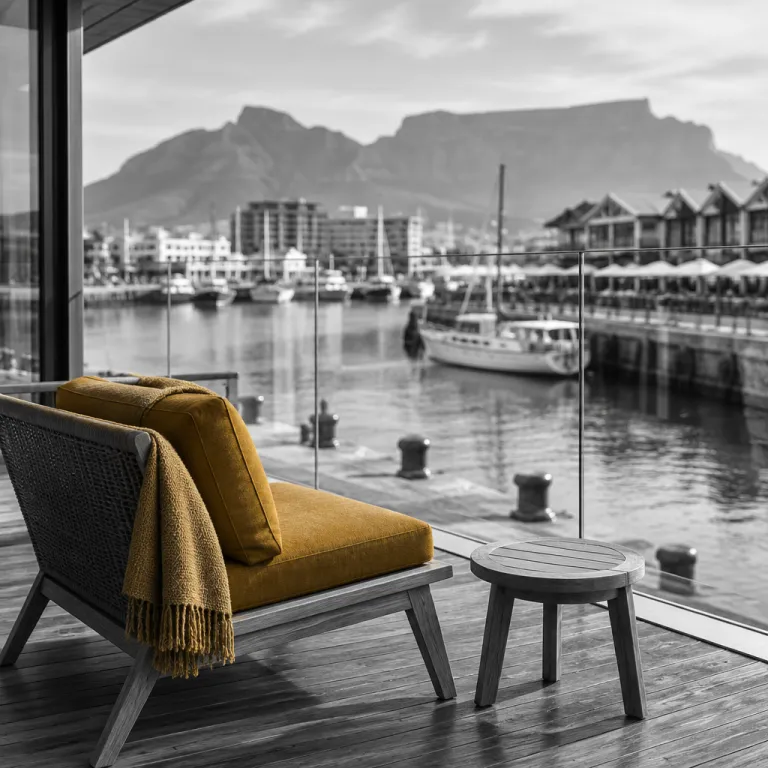
Why the waterfront in Cape Town South Africa is a prime luxury base
The V&A Waterfront in Cape Town offers a rare mix of working harbour energy and polished hotel comfort. Around the historic Victoria & Alfred Waterfront, the district blends maritime history with contemporary city style, giving travellers a refined yet authentic base. From many hotels you see Table Mountain rise above the Cape Town skyline, while fishing boats and harbour tugs move quietly across the water.
This part of Cape Town sits within the Western Cape’s most visited urban area, and the V&A Waterfront precinct has become the top address for premium stays. Guests who want both Two Oceans Aquarium family fun and easy access to Robben Island ferries can walk from their hotel lobby to the quays in minutes. The same harbourfront streets also lead to high-end dining, South African wine bars, and galleries that celebrate Art Africa and contemporary art from across the continent.
For travellers comparing the Cape Town harbourfront with other central districts, the setting is the decisive advantage. You stay close to the city centre yet feel the pull of the ocean and the wider South Atlantic coast. That balance of urban convenience and African seafront drama makes the V&A Waterfront and the broader Victoria & Alfred Waterfront area a strategic choice for first-time visitors and returning guests alike.
Choosing between city center stays and waterfront Cape hotels
Luxury travellers often hesitate between a city center address and a room overlooking Cape Town’s harbour. A central Cape Town hotel places you near business districts, the University of Cape Town campuses, and major cultural venues, while V&A Waterfront hotels immerse you in quayside life. The right choice depends on whether you prioritise nightlife, meetings, and museums or prefer sea breezes, marina views, and direct access to cruises.
City center hotels in Cape Town usually offer faster access to government offices, corporate headquarters, and the main University of Cape Town medical and academic facilities. Guests focused on value can review this detailed guide to affordable hotel options in Cape Town before upgrading to premium categories in the same area. By contrast, the V&A Waterfront and Victoria & Alfred Basin concentrate more resort-style properties, where rooms often face the harbour or the dramatic outline of Table Mountain.
Many travellers resolve the city versus waterfront Cape dilemma by splitting their stay between both areas. They begin with a few nights in the central business district for meetings and urban art, then move to the Victoria & Alfred Waterfront zone for quieter evenings and leisurely walks along the quays. This twin-base strategy works especially well for longer trips that combine work, culture, and coastal relaxation in one seamless Cape Town itinerary.
Signature experiences around the V&A Waterfront and harbour
Staying near the harbour in Cape Town places you within steps of some of the city’s most emblematic experiences. The V&A Waterfront itself functions as a compact city within the metropolis, with restaurants, luxury shops, and live music framed by working harbour scenes. From the central Clock Tower precinct, ferries depart for Robben Island, where Nelson Mandela spent many years in prison and where visitors now engage deeply with South African history.
Art lovers gravitate toward Zeitz MOCAA, a museum of contemporary art housed in a converted grain silo overlooking the Victoria & Alfred Basin. This institution, together with the nearby Art Africa gallery, anchors a growing art district that connects African creativity with global audiences. Guests who choose hotels in the V&A Waterfront area can walk to evening openings, then return safely along well-lit quays that remain active late into the night.
Travellers who prefer an elegant city center base can still access these harbour attractions with a short taxi or rideshare trip. Many luxury hotels in Cape Town’s core now promote curated excursions that link their urban properties with the V&A Waterfront, Zeitz MOCAA, and the historic Clock Tower. For a deeper look at refined urban stays, consult this overview of luxury hotels in Cape Town city center, then decide how much of your time you want to spend by the harbour versus in the commercial heart of the city.
How to select the right luxury hotel at the waterfront
When choosing a hotel at the V&A Waterfront, start by clarifying what you want to see from your window. Some properties face the inner harbour and marina, where yachts and working boats share the Victoria & Alfred basins, while others frame Table Mountain and the wider Western Cape coastline. A few hotels even offer dual-aspect suites, giving guests both city and ocean views from different rooms.
Room size, floor height, and orientation matter more here than in many other districts, because the scenery changes dramatically from one side of a building to another. Higher floors usually capture broader views over the V&A Waterfront and the Cape Town skyline, while lower levels may feel more connected to quayside life and street-level art installations. One recent guest described waking early to watch the first fishing boats glide past as the mountain turned pink at sunrise, a detail that would have been lost from a generic inner-city room.
Service style is another key differentiator among waterfront Cape hotels, ranging from discreet, residential atmospheres to more resort-like environments with extensive leisure facilities. Families may prioritise proximity to the Two Oceans Aquarium and easy routes to Robben Island ferries, while business travellers might focus on meeting spaces and fast transfers to the central city. Whatever your profile, compare how each property integrates local South African design, Art Africa collections, and references to Cape Town history into its interiors, because these details often define the sense of place.
Linking the waterfront to wider Cape Town and the Western Cape
One of the strongest arguments for staying by Cape Town’s harbour is how well it connects to the rest of the city. From the V&A Waterfront transport hubs, taxis and shuttles reach the central Cape Town grid, the University of Cape Town campuses, and the southern suburbs within predictable times. Many hotels also arrange private transfers to Table Mountain’s lower cableway station, allowing guests to move from harbour level to summit views in under an hour.
The waterfront Cape location works equally well as a launchpad for day trips across the Western Cape, from the winelands to the Cape Peninsula. Travellers can join small-group tours that depart directly from the Victoria & Alfred Waterfront area, visiting Cape Point, Boulders Beach, and coastal art villages before returning to the city by evening. Those planning longer itineraries that combine urban stays with wildlife experiences can consult this guide to luxury safari lodges in South Africa for Cape Town travellers, then coordinate transfers from their harbour hotel.
Within Cape Town itself, the V&A Waterfront also links symbolically to key sites of South African democracy and culture. The Robben Island ferry route traces a line between the harbour and the prison where Nelson Mandela was held, while city walking tours connect the quays with District Six and other neighbourhoods shaped by Cape Town history. Staying in this area therefore helps visitors understand how the modern city, the harbour, and the broader South Africa narrative intersect in daily life.
Practical booking tips for premium stays by the harbour
Securing the right room at the V&A Waterfront requires more than simply choosing a famous hotel name. Start by checking whether your travel dates coincide with major events in the precinct, because festivals and conferences can affect both availability and pricing. When demand is high, flexible dates or midweek stays often unlock better value and a wider choice of harbour-facing rooms.
Many Cape Town hotels now offer dynamic packages that combine accommodation with experiences such as Table Mountain tickets, Robben Island tours, or Zeitz MOCAA museum passes. These curated offers can represent strong value compared with booking each element separately, especially for guests who plan to explore multiple attractions in the Victoria & Alfred and central city areas. Always read the fine print carefully, confirming whether transfers, breakfast, and late checkout are included, because these details significantly shape the overall feel of a premium stay.
Travellers who appreciate culture should ask specifically about rooms that feature South African or broader African art, as some properties collaborate with Art Africa and other galleries to rotate collections. Others may prefer suites that reference Cape Town history through archival photography of the harbour, the Clock Tower, and early University of Cape Town buildings. Whatever your priorities, communicate them clearly at the booking stage, because high-end hotels in the Victoria & Alfred Waterfront district generally have the flexibility to tailor your experience when they understand your expectations.
Key figures about Cape Town waterfront tourism
- The V&A Waterfront reports tens of millions of visitors annually, making it one of South Africa’s most visited destinations and a central driver of Cape Town’s tourism economy (based on V&A Waterfront annual reporting).
- Robben Island receives several hundred thousand visitors each year, with most departures leaving from the Cape Town harbour, underlining how strongly the area is linked to the city’s history and Nelson Mandela’s legacy (Robben Island Museum statistics).
- Zeitz MOCAA, the Museum of Contemporary Art Africa at the Victoria & Alfred Basin, has welcomed large visitor numbers since opening, helping position the city as a leading African hub for contemporary art (Zeitz MOCAA reports).
- The Two Oceans Aquarium at the V&A Waterfront attracts hundreds of thousands of visitors annually, reinforcing the precinct’s role as a family-friendly attraction within the wider Western Cape region (Two Oceans Aquarium data).
FAQ about staying at the Cape Town waterfront
Is the V&A Waterfront a good base for first time visitors ?
The V&A Waterfront is an excellent base for first time visitors because it combines harbour views, strong security, and easy access to major attractions. From this area you can reach Robben Island ferries, the Two Oceans Aquarium, and city sightseeing buses without complex transfers. Many guests then use taxis or rideshares to explore the rest of Cape Town and the Western Cape.
How far is the waterfront from Cape Town city center ?
The harbourfront precinct sits roughly 2 to 3 kilometres from the traditional city center around the Civic Centre and Company’s Garden. By car or taxi, the journey usually takes 10 to 15 minutes depending on traffic and time of day. Some travellers also enjoy walking along marked routes that link the quays with central Cape Town history sites.
Are waterfront hotels more expensive than city center properties ?
On average, premium hotels at the V&A Waterfront and Victoria & Alfred Basin command higher nightly rates than comparable properties in the inner city. The price difference reflects direct harbour access, views of Table Mountain, and proximity to major attractions. Travellers seeking value can sometimes find competitive offers during shoulder seasons or by booking packages that include museum tickets and tours.
Is it easy to visit Table Mountain and Robben Island from the waterfront ?
Yes, the waterfront Cape location makes visiting both Table Mountain and Robben Island straightforward. Ferries to Robben Island depart from the Clock Tower precinct, while taxis and shuttles connect the harbour with the Table Mountain cableway in under half an hour in normal traffic. Many hotels can arrange combined itineraries that coordinate ferry times and mountain visits in a single day.
What cultural attractions are near the Cape Town waterfront ?
Key cultural attractions near the harbour in Cape Town South Africa include Zeitz MOCAA, the Museum of Contemporary Art Africa, and the Two Oceans Aquarium. Visitors also find smaller galleries such as Art Africa, public sculptures, and heritage walks that explain Cape Town history around the quays. These experiences, together with easy access to the broader city, make the area a rich base for culturally curious travellers.