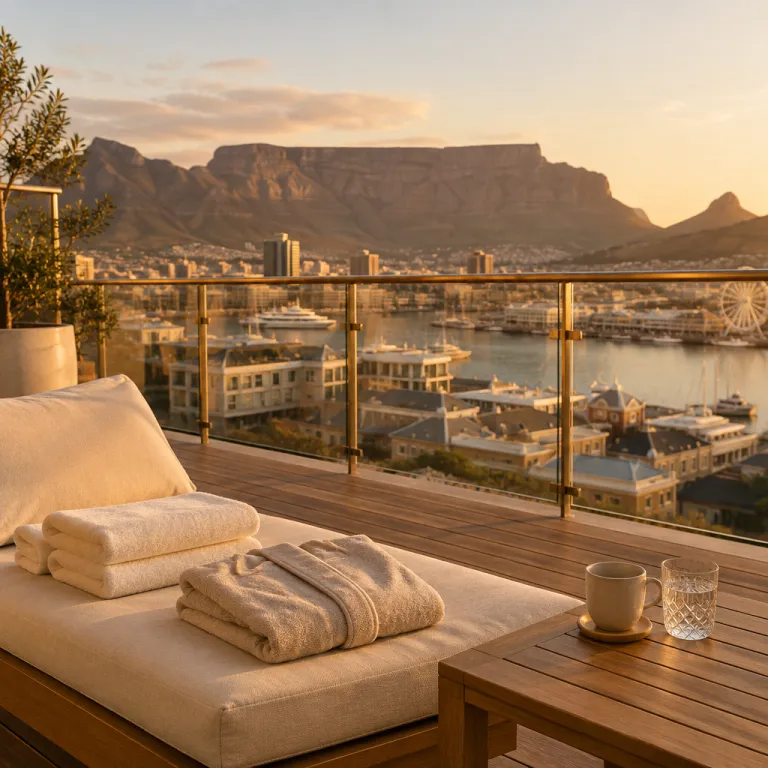
Good hotels in Cape Town for first time visitors
Choosing good hotels in Cape Town starts with understanding the city layout. The city stretches from the historic centre at the foot of Table Mountain to the Atlantic coastline, so your preferred area will shape every stay and every view. For many travellers, the best first step is deciding whether they want to stay close to the city energy or nearer to the ocean breeze.
The inner city of Cape Town in South Africa offers quick access to museums, galleries, and the Company’s Garden, and several good hotels in Cape Town cluster around this compact grid. In this part of town you can walk to Kloof Street for cafés, wine bars, and relaxed dining, then return to a quiet hotel with beautiful interiors and attentive service. When you stay in this central area you also shorten transfer times to the V&A Waterfront, Camps Bay, Sea Point, and the cableway station for Table Mountain.
Travellers who want a classic city hotel in Cape Town often look for heritage properties with beautiful gardens and mountain views. A long-established five-star landmark near Kloof Street, for example, typically charges from around R7,000 to R12,000 per night in high season, with lower shoulder-season rates. Its location between the cultural heart of town and the Atlantic coast makes it easy to book excursions across the wider Cape region without long daily commutes.
Staying by the water: V&A Waterfront, Sea Point and Green Point
Many people searching for good hotels in Cape Town are drawn to the harbour and promenade, where the Atlantic meets the city. The V&A Waterfront area combines shopping, dining, and harbour cruises, and it offers some of the best hotels for travellers who want everything within walking distance. From here you can see both Table Mountain and the working docks, which creates a distinctive sense of place that feels uniquely Africa Cape rather than a generic resort.
Within the V&A Waterfront precinct, Cape Grace has long been regarded as one of the best hotels in South Africa for discreet service and harbour views. Nearby, One&Only Cape Town delivers large rooms, a spa on its own island, and a lagoon style pool, making it a strong choice for families who want a luxury hotel with resort facilities. When you stay in this part of town south of Signal Hill you can easily book boat trips, Robben Island tours, and fine dining without relying on long transfers.
Just along the coast, Sea Point and Green Point offer a different style of hotel Cape experience, with ocean facing promenades and residential streets. Properties such as the Cape Royale, highlighted in this guide to refined stays with rooftop views in Green Point, appeal to guests who want apartment style space with hotel services. Typical nightly rates in this coastal strip range from about R2,000 for mid-range suites to R6,000 and above for premium sea-facing options, and you can usually reach the V&A Waterfront or city centre in 10 to 15 minutes by car or e-hailing service.
Atlantic seaboard elegance: Camps Bay, Clifton and Hout Bay
For many repeat visitors, the phrase good hotels in Cape Town is almost synonymous with the Atlantic seaboard. Camps Bay, Clifton, and Hout Bay curve along the coast beneath the Twelve Apostles, offering some of the most dramatic sea and mountain views in South Africa. This is where you come when you want a luxury stay that feels like a coastal escape yet remains close to the city.
Camps Bay is famous for its palm lined beach, sunset facing cafés, and a string of hotels that look directly onto the bay. Here you will find some of the best hotels for travellers who prioritise ocean views, pool decks, and easy access to restaurants, while still being able to book quick transfers back into town. The area works especially well if you plan to spend long days on the sand, then return to a hotel with a lively bar scene and refined rooms.
Further along the coast, Hout Bay offers a quieter harbour village atmosphere, framed by mountains and a sweeping bay. Tintswalo Atlantic, set below Chapman’s Peak Drive, is often described as one of the most romantic hotels Cape wide, with suites perched almost at sea level and uninterrupted views across the bay. Sustainability minded travellers can also look at properties featured in this overview of Cape Town hotels where green design is built in, and many Atlantic seaboard stays now publish energy and water saving measures alongside nightly rates that commonly start around R3,500 and rise well above R10,000 in peak summer.
Historic icons and city retreats with beautiful gardens
Some of the good hotels in Cape Town are destinations in their own right, especially the grand historic properties that anchor the city’s hospitality scene. These hotels often sit slightly back from the busiest streets, with beautiful gardens that create a sense of calm despite the urban setting. They suit travellers who want to stay in town south of the main business district yet feel as if they are in a private estate.
The Mount Nelson stands out again here, with its pastel façade, tree lined driveway, and lawns that frame clear views of Table Mountain. Guests can book tennis courts, a spa, and curated experiences that explore the cultural side of Cape Town in South Africa, from gallery tours to guided walks along Kloof Street. This combination of resort style amenities and central location makes it one of the best hotels for longer stays, especially for visitors combining work and leisure.
In the V&A Waterfront area, Cape Grace offers a different interpretation of heritage, with interiors that reference maritime history and the broader story of Africa Cape trade routes. Its library, whisky bar, and quay side setting create a refined atmosphere that appeals to guests who value quiet luxury over spectacle. On a recent winter visit, for instance, a short late-afternoon stroll from the hotel to the nearby food market took less than ten minutes, underlining how compact the central harbour district feels once you are based there.
Neighbourhood stays: Woodstock, Observatory and the creative corridor
Travellers who search for good hotels in Cape Town increasingly look beyond the traditional tourist zones. Areas such as Woodstock and Observatory, just east of the city centre, attract guests who want to engage with the creative side of town and stay close to studios, galleries, and independent cafés. These neighbourhoods sit slightly inland from the bay yet still offer quick access to the city and the wider Cape Peninsula.
In this part of town south of the harbour, you will find smaller hotels and guesthouses that focus on design, local art, and personalised service. They may not have the large pools or extensive spas of the best hotels on the Atlantic seaboard, but they offer a strong sense of place and often better value for longer stays. If you are curious about this scene, this guide to Cape Town’s creative corridor from Woodstock to Observatory provides useful context before you book.
Staying in these neighbourhoods also makes it easier to explore the broader story of Cape Town in South Africa, from street art to community markets. You can still reach Sea Point, Camps Bay, or the V&A Waterfront within a short drive, so you do not sacrifice access to the coast or the major sights. For many guests, this balance between creative energy and practical location defines what makes a hotel Cape experience feel genuinely connected to the city.
Planning your stay Cape side: practical tips and booking advice
Once you have a sense of the good hotels in Cape Town that match your style, timing your visit becomes the next key decision. The city’s Mediterranean climate means dry summers and wetter winters, but each season offers different advantages for rates, availability, and crowd levels. If you want the best combination of comfortable temperatures and fewer visitors, consider the shoulder months when both the city and the bay feel calmer.
When you book, pay close attention to the exact location of each property, especially in areas such as Camps Bay, Sea Point, and Hout Bay. A hotel on the hillside may offer better views of the ocean and Table Mountain, while one closer to the beach or promenade will shorten your walk to cafés and swimming spots. In the city, proximity to Kloof Street, the V&A Waterfront, or major transport routes can significantly shape how easily you move between different parts of town.
Finally, think about how each hotel in Cape Town aligns with the experiences you value most, whether that is spa time, culinary exploration, or easy access to nature. Some of the best hotels offer curated excursions to nearby wine farm regions, the Cape Peninsula, or hiking routes on Table Mountain, which can simplify planning. By matching your priorities with the strengths of each area, you turn a simple hotel choice into a stay that reflects the full character of Cape Town in South Africa.
Key statistics on Cape Town travel and hotel trends
- According to South African Tourism, Cape Town and the Western Cape receive several million domestic and international visitors each year, with the city consistently ranking among the top urban destinations in Africa for leisure travel.
- Data from Cape Town International Airport shows that international passenger arrivals have grown significantly over the past decade, supported by new direct routes from Europe, the Middle East, and other parts of Africa, which increases demand for both city and coastal hotels.
- Industry reports from the Tourism Business Council of South Africa indicate that average hotel occupancy in Cape Town often peaks above 70 percent during the high summer season, especially in areas such as the V&A Waterfront, Camps Bay, and Sea Point.
- Research by Wesgro, the official tourism and trade agency for the Western Cape, highlights that luxury and premium properties account for a substantial share of visitor spend, particularly in segments focused on wine tourism, coastal stays, and city breaks.
- Surveys of international visitors regularly place Cape Town among the best cities in the world for scenery and hospitality, with high satisfaction scores linked to the combination of mountain and ocean views, diverse neighbourhoods, and the quality of hotel service.
FAQ about good hotels in Cape Town
Which areas are best for first time visitors to Cape Town ?
First time visitors usually choose between the city centre, the V&A Waterfront, and the Atlantic seaboard. The city centre offers quick access to museums and Kloof Street, while the V&A Waterfront combines shopping, dining, and harbour views. Camps Bay and Sea Point suit travellers who prioritise beaches and sunset walks along the promenade.
How far are the main hotel areas from Cape Town International Airport ?
Cape Town International Airport lies about 20 kilometres from the city centre, with typical driving times of 20 to 30 minutes outside peak traffic. The V&A Waterfront and Sea Point are slightly further but usually reachable within 30 to 40 minutes. Camps Bay and Hout Bay can take longer during busy periods, so allow extra time when travelling to or from the airport.
Are good hotels in Cape Town suitable for families ?
Many of the good hotels in Cape Town cater well to families, especially larger properties at the V&A Waterfront and along the Atlantic seaboard. Look for hotels that offer interleading rooms, kids’ menus, and pools with lifeguards or clear safety features. Apartment style options in Green Point and Sea Point can also work well for longer family stays.
When should I book to get the best rates at Cape Town hotels ?
For peak summer months, it is wise to book several months in advance, especially for popular areas such as Camps Bay and the V&A Waterfront. Shoulder seasons often offer better value, with more flexible rates and availability at many of the best hotels. Last minute deals exist but are less reliable if you have fixed dates or specific properties in mind.
Is it better to stay in one area or split my stay across Cape Town ?
Many travellers choose to split their stay between the city or V&A Waterfront and the Atlantic seaboard, which allows them to experience both urban energy and coastal relaxation. A common pattern is three nights in the city followed by three nights in Camps Bay or Hout Bay. This approach reduces daily travel time and lets you enjoy different perspectives on Table Mountain and the bay.