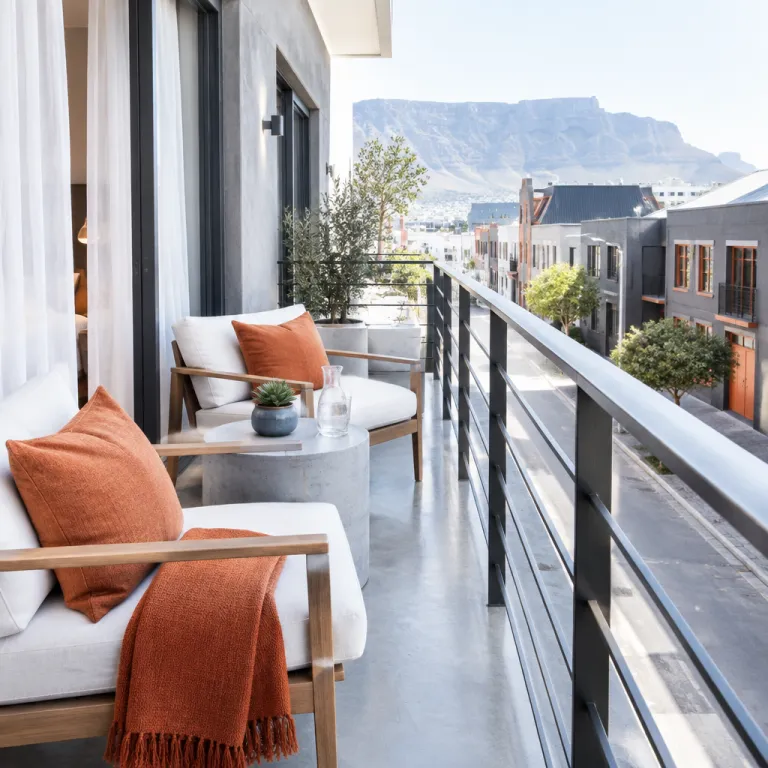
Why de Waterkant hotels in Cape Town suit modern luxury travellers
De Waterkant sits between the historic Cape Town city centre and the Atlantic coast, giving you a rare balance of neighbourhood charm and urban energy. In this compact corner of Cape Town, accommodation ranges from intimate, design-focused boutique hotels to polished serviced apartments, all within walking distance of the V&A Waterfront and the colourful Bo-Kaap. The area feels like a self-contained village enclave, yet you are minutes from the wider Western Cape coastline and the dramatic Table Mountain backdrop.
For travellers comparing de Waterkant hotels in Cape Town with stays in Camps Bay or the Waterfront, the key advantage is access to both business and leisure districts without sacrificing character. You can walk from your hotel in De Waterkant to the central business district in under 15 minutes, then be at the Waterfront marinas or the Atlantic beaches after a short drive. This mix makes the neighbourhood ideal for visitors who want a base that works for meetings by day and fine dining by night, especially if they value a more local Cape Town atmosphere than the main tourist strips.
Many hotels across Cape Town now highlight their sustainability credentials, and De Waterkant is no exception, with several properties using solar power and water-saving systems in response to South Africa’s climate challenges. When you check availability, look for clear information on these initiatives, as they often go hand in hand with thoughtful design and efficient air conditioning systems. This attention to detail reinforces why De Waterkant hotels in Cape Town have become a preferred choice for discerning guests who expect both comfort and conscience during every night of their stay.
Top luxury and premium stays around de Waterkant and the Waterfront
One of the most recognisable addresses in the area is The Capital Mirage, a sleek mixed-use tower at 40 Chiappini Street that anchors the skyline between De Waterkant and the central Cape Town district. The Capital Mirage combines hotel rooms and serviced apartments, giving guests the flexibility to book short stays or longer visits with kitchen facilities and generous living spaces. Many travellers choose this property because it offers a polished hotel experience while still feeling integrated into the De Waterkant streets below, rather than isolated from everyday city life.
Within the same complex, The Capital Mirage De Waterkant options include studios and suites with floor-to-ceiling windows, contemporary furnishings, and reliable air conditioning for the warmer Cape Town summer months. Guests often highlight in their reviews how easy it is to walk from the lobby to the nearby Cape Quarter Lifestyle Village on Dixon Street, where cafés, galleries, and small fashion stores line cobbled lanes. This proximity to both the Cape Quarter and the V&A Waterfront means you can enjoy a relaxed morning coffee in De Waterkant before heading to the Waterfront malls or harbour cruises without needing a car.
Business travellers who split their time between the Cape Town International Convention Centre and client meetings along the Waterfront often favour De Waterkant hotels for their central position. A short ride connects you to the V&A Waterfront precinct, while the financial district and legal chambers in the city core remain close enough for back-to-back appointments. For more detail on how premium hotels in Cape Town are bridging corporate needs with seaside downtime, you can read this guide to Cape Town hotels that connect business travel with the beach, which places De Waterkant firmly on the map for executive stays.
Rooms, amenities, and what to expect from de Waterkant luxury stays
Rooms in De Waterkant hotels in Cape Town tend to prioritise space, natural light, and views of either Table Mountain or the harbour. A typical premium room will feature a king-size bed, high-thread-count linens, a well-lit work desk, and strong Wi‑Fi, with many properties including a Nespresso-style coffee machine and complimentary filtered water. When you check availability, pay attention to whether your chosen room includes a private balcony, as these outdoor spaces can transform a simple night into a memorable sunset ritual over the city.
Air conditioning is standard across most De Waterkant hotel properties, which matters during the hotter months when temperatures in this part of South Africa can climb above 30 °C. Some De Waterkant options also offer small kitchenettes, especially in apartment-style suites, giving you the flexibility to prepare light meals after a long day exploring Cape Town’s attractions. Families and longer-stay guests often prefer these apartments because they combine the services of a hotel with the independence of a home, particularly when travelling across the wider Western Cape region.
Wellness facilities vary between hotels citywide, but many De Waterkant properties include compact gyms, rooftop pools, or spa partnerships with nearby wellness centres. On cooler days when the famous Cape Town clouds roll in from the Atlantic, you may appreciate properties that emphasise cosy interiors and fireplaces, as highlighted in this feature on Cape Town hotels designed for fireplace weather. These thoughtful touches help ensure that every stay in hotels around De Waterkant feels tailored to the shifting moods of the Cape Town climate, whether you are here for a quick city break or an extended workation.
Pricing, value, and how to read reviews for de Waterkant stays
Rates in De Waterkant hotels in Cape Town generally sit between the central business district and the prime Waterfront addresses, offering strong value for the level of design and service. The average price per night for a premium room in this area often undercuts comparable properties directly on the Waterfront, while still placing you within a short walk or ride of the harbour. When comparing the price per night, consider what is included, such as breakfast, parking, and free Wi‑Fi, as these extras can significantly affect the total cost of your stay.
Guest reviews are a crucial tool when choosing between different hotels in De Waterkant and the surrounding neighbourhoods. Focus on recent reviews that mention cleanliness, staff responsiveness, and how accurately the photos reflect the actual room, as these factors tend to predict satisfaction more reliably than one-off complaints. Pay attention to comments about noise levels, especially if your hotel faces busy city streets or popular nightlife spots, since this can influence whether your night feels restful or restless.
Many travellers also compare De Waterkant with other parts of Cape Town, such as the V&A Waterfront or the Atlantic Seaboard, to gauge relative value. If you plan to explore the wider Western Cape, staying in De Waterkant can reduce transport costs because you are already close to major highways and tour departure points. For luxury travellers who want to combine a city break with a safari in South Africa’s reserves, it can be helpful to consult specialist resources like Stay in Cape Town, which also features detailed coverage of options such as the Motswari Private Game Reserve for Cape Town luxury travellers, allowing you to plan a coherent itinerary from city to bush.
Location, access, and how de Waterkant connects you to Cape Town
De Waterkant occupies a strategic position between the historic Cape Town core and the modern Waterfront developments, making it one of the most connected districts in the city. From most De Waterkant properties, you can walk to the V&A Waterfront in around 20 minutes, or reach the Company’s Garden and key museums in the opposite direction in a similar time. This centrality means that whether you are heading to a meeting in the Cape Town International Convention Centre or a dinner reservation in Green Point, your travel times remain short and predictable.
Transport links from De Waterkant to the rest of the Cape Town region are straightforward, with easy access to main arterial roads leading towards the Winelands, the Atlantic Seaboard, and the Southern Peninsula. Many hotel reception teams can arrange private transfers or advise on safe taxi and e‑hailing options, which is especially useful if you plan late-night returns from restaurants or events. If you prefer to self-drive, check availability of secure parking when you book, as spaces in this dense city neighbourhood can be limited and may carry an additional price per night.
Walking around De Waterkant itself is one of the area’s pleasures, with cobbled streets, pastel-painted houses, and views that open towards the harbour and Table Mountain. The Cape Quarter complex acts as a social hub, with cafés, wine bars, and small stores that attract both locals and visitors, giving the area a lived-in feel rather than a purely tourist-focused strip. Staying in De Waterkant hotels in Cape Town therefore places you at a crossroads between the historic heart of the city and the contemporary energy of the Waterfront, allowing you to experience multiple sides of Cape Town without constant commuting.
How to choose the right de Waterkant hotel or apartment for your trip
Selecting between a traditional hotel and serviced apartments in De Waterkant depends on how you plan to use your time in Cape Town. If you expect a schedule filled with meetings, restaurant bookings, and guided tours, a full-service hotel with 24‑hour reception and daily housekeeping may suit you best. Travellers who prefer to settle into a routine, cook some meals, and live more like residents often gravitate towards apartments that still offer security and optional cleaning services.
When you check availability across different hotels in Cape Town, filter by amenities that matter most to you, such as air conditioning, on-site dining, or gym access. Families may prioritise larger room categories or interconnected layouts, while solo travellers might value strong security measures and a lively lobby bar for socialising after a long day in South Africa. If you are sensitive to noise or light, request a higher-floor room facing away from main streets, and confirm this preference directly with the property after you book.
Another key factor is how each property positions itself within the broader Cape Town hotel landscape, from understated luxury to more corporate-focused offerings. Some De Waterkant hotels in Cape Town lean into art and design, curating local works in public spaces, while others emphasise business facilities such as meeting rooms and co‑working-style lounges. By aligning your choice with your priorities, you ensure that every night in this part of the Western Cape feels consistent with the purpose of your trip, whether that is relaxation, productivity, or a blend of both.
Key figures on Cape Town and de Waterkant luxury stays
- According to Cape Town Tourism’s 2023 annual report, the city welcomed over 2.6 million international air arrivals through Cape Town International Airport in the most recent reported period, underscoring strong demand for city hotels and premium accommodation.
- Data from South African Tourism (2023) indicates that the Western Cape accounts for roughly 20 % of all international tourist arrivals to South Africa, with Cape Town acting as the primary gateway city for many visitors.
- Industry reports from STR for 2023 show that luxury and upper-upscale hotels in Cape Town often achieve higher average daily rates than midscale properties, reflecting sustained demand for premium stays in areas such as De Waterkant and the V&A Waterfront.
- Travel surveys from 2022 and 2023 consistently rank Cape Town among the top city destinations in Africa, with high satisfaction scores for scenery, food, and accommodation quality, which reinforces the appeal of investing in a higher price per night for well-located De Waterkant options.
FAQ about de Waterkant hotels in Cape Town
Is de Waterkant a safe area to stay in Cape Town ?
De Waterkant is considered one of the safer central neighbourhoods in Cape Town, with an active residential community and regular foot traffic. Most hotels and apartments have controlled access, security staff, and CCTV, which adds another layer of protection. As in any major city in South Africa, standard precautions such as avoiding isolated streets late at night and using reputable transport services remain sensible.
How does de Waterkant compare with the V&A Waterfront for first time visitors ?
The V&A Waterfront offers a resort-like environment with direct access to malls, restaurants, and harbour activities, while De Waterkant feels more like a lived-in city quarter. Many travellers choose De Waterkant hotels in Cape Town because they want a central base with easier access to both the Waterfront and the historic Cape Town core. If you prefer a quieter, more controlled environment, the Waterfront may suit you better, but for a blend of local life and convenience, De Waterkant is often the stronger choice.
What is the typical price per night for a luxury hotel in de Waterkant ?
Prices fluctuate by season, but luxury and premium De Waterkant properties usually sit slightly below the top-tier Waterfront rates while still offering high service levels. The price per night for a well-rated De Waterkant room can vary widely depending on room category, view, and inclusions such as breakfast or parking. Checking multiple dates and booking early often yields better value, especially during peak events in Cape Town or major holidays in South Africa.
Are serviced apartments a good option in de Waterkant for longer stays ?
Serviced apartments in De Waterkant are popular with remote workers, families, and travellers combining business with leisure, because they offer more space and kitchen facilities than a standard room. Properties such as The Capital Mirage provide apartments with hotel-style services, including housekeeping, security, and front desk support. This hybrid model allows you to feel at home in the Western Cape’s capital while still enjoying the convenience of a professionally managed stay.
How far is de Waterkant from Cape Town International Airport ?
De Waterkant lies roughly 20 km from Cape Town International Airport, with typical driving times of 20 to 30 minutes outside peak traffic. Most hotels in the area can arrange private transfers, or you can use metered taxis and reputable e‑hailing services. If you plan to explore beyond the city limits into the wider Cape Town region, renting a car at the airport and confirming parking availability at your chosen hotel is often the most flexible option.