Why Woodstock and Observatory are Cape Town’s creative engine
The stretch from Woodstock to Observatory is where the mother city’s cultural pulse feels closest to the skin. This is the woodstock observatory cape town creative corridor that turns former warehouses and semi industrial streets into a living gallery, and it is where many luxury travelers now spend serious time between wine farms and the Atlantic cape coastline. In a town south of Table Mountain that is often sold through postcard views, this part of cape town offers something rarer and more textured.
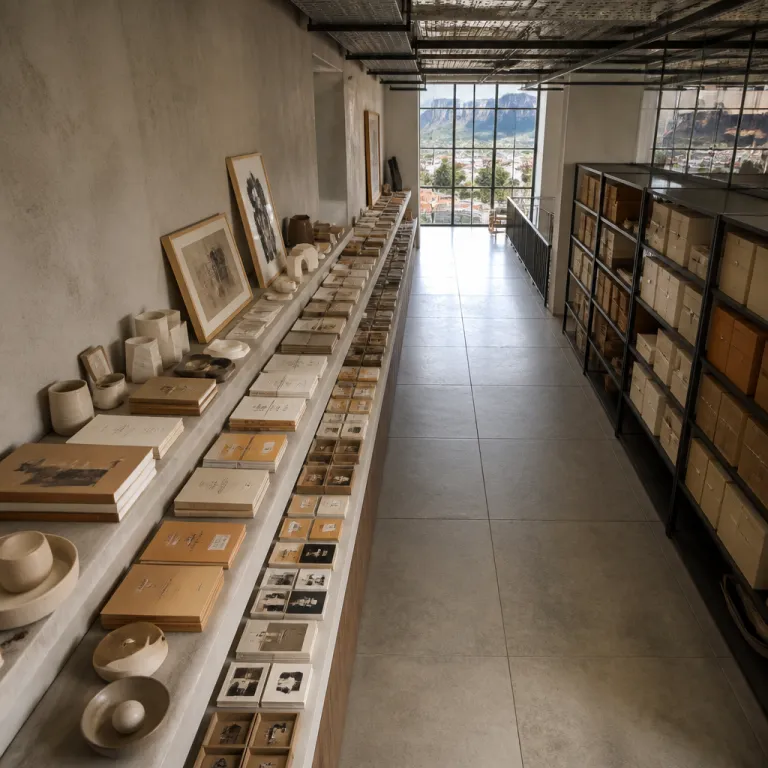
Start in Woodstock, once a working class district pressed between the city bowl and the salt river estuary, now a dense patchwork of studios, galleries and street murals. Here the Old Biscuit Mill anchors the scene, drawing more than 500 000 visitors each year according to Cape Town Tourism, and its courtyard becomes a temporary city center for food, design and live music events every weekend. Around it, spaces in Woodstock warehouses host everything from a single artist studio to multi level creative hub complexes where south african designers, photographers and ceramic artists share coffee and critique.
Walk east and the energy shifts as you cross the railway lines and the river towards Observatory, often called Obs by locals. This observatory city quarter leans more bohemian, thanks to the nearby university campus and a long history of student life, activism and late night town art conversations. Between Woodstock and this river observatory area, you move through one of south africa’s most concentrated art residency and gallery corridors, and it is this lived in creativity that underpins Cape Town’s ranking as a leading global cultural capital.
Woodstock: Old Biscuit Mill, street art and working studios
Woodstock sits just east of the city center, close enough that you can reach it from the city bowl hotels in under ten minutes by car. The Old Biscuit Mill on Albert Road is the obvious starting point, a former factory now reimagined as a mixed use center of food halls, design shops and upstairs studio spaces in Woodstock that overlook the salt river rail lines. On Saturdays the Neighbourgoods Market fills the courtyards with south african produce, natural wines and global street food, while upstairs artists quietly continue their work.
Step outside the gates and the woodstock cape streets become an open air museum of large scale murals and smaller interventions. Guided street art walks, offered by local community organizations and independent artists, trace how urban renewal projects and murals have transformed this part of town south of the harbor from industrial decline into a woodstock observatory cape town creative showcase. You will pass at least a dozen galleries and project spaces along Albert Road and nearby side streets, many of them run by gallery owners who champion emerging south african talent through tightly curated town art exhibitions.
For travelers who care about process as much as finished art, the real luxury lies in access. Many studios open by appointment, allowing you to meet an artist in their work space, see current projects in progress and understand how life in this cape town neighborhood shapes each canvas or ceramic form. If your itinerary includes a safari extension at a private reserve, pairing this with a stay in the mother city that foregrounds culture, perhaps combined with a visit to a property such as the one featured in this guide to a private game reserve for Cape Town luxury travelers, creates a richer south africa narrative than a simple beach and wildlife combination.
Observatory: Lower Main Road, live music and bohemian nights
Cross the salt river bridge and Observatory announces itself with a different rhythm, more student flats and Victorian terraces than converted warehouses. Lower Main Road, often simply called main road by locals, is the spine of this neighborhood, lined with cafes, vinyl bars, live music venues and independent shops that stay open late into the night. Here the woodstock observatory cape town creative energy softens into something looser, a residency of ideas as much as a physical art residency.
By day, Lower Main Road and the adjacent road observatory grid feel like a village within the larger city, with regulars greeting baristas and south african students revising at sidewalk tables. By night, the same main road becomes a corridor of small scale events, from jazz trios in back rooms to experimental electronic sets upstairs from a ramen joint, and this is where many visiting artists from across africa test new work in front of a forgiving crowd. The proximity to the university keeps rents relatively accessible, which in turn sustains a constant flow of new artists, designers and creative projects that feed back into the wider cape town scene.
For solo travelers, Observatory offers a different kind of luxury than the polished waterfront, one measured in time and conversation rather than thread count. You can spend an evening moving between a natural wine bar, a live music venue and a late night cafe, all within a few hundred meters, and still be close enough to the city center or green point hotels for a short ride home. If you are planning a broader southern africa itinerary that includes the winelands and a Kruger area safari, pairing this bohemian quarter with the refined stays highlighted in this overview of southern Africa travel at its finest gives your trip a satisfying narrative arc from city to bush.
Galleries, studios and the art residency culture
The woodstock observatory cape town creative corridor is not just about murals and markets ; it is also a serious ecosystem for contemporary art. Between Albert Road in Woodstock and Lower Main Road in Observatory you will find around fifteen galleries, from white cube spaces to experimental project rooms, many of them focused on south african and broader africa narratives. These venues work closely with artists and designers who live or maintain a studio nearby, creating a feedback loop between exhibition and daily life in town.
Art residency programs are a quiet but powerful force here, bringing international artists to live and work in converted warehouses or shared houses near the salt river and the railway line. A typical art residency might last a few months, during which the artist develops new work in response to the city, then opens their studio to the public for an events evening that often spills into the street. For visitors, timing a stay to coincide with these open studios or gallery walkabouts offers a rare window into how cape town, as a city at the tip of south africa, shapes global conversations about race, climate and urban change.
Community organizations in Observatory and Woodstock also play a crucial role, using art installations, workshops and youth projects to bridge divides that still mark this town south of Table Mountain. Their efforts, supported by local businesses and municipal partners, have helped transform once neglected blocks into a creative hub where residents, students and travelers share the same pavements and sometimes the same paintbrushes. If you want to understand why Cape Town’s tourism numbers and hotel bookings have surged in recent seasons, this article on what a record tourism year means for hotel booking shows the macro picture, while a walk through these neighborhoods reveals the street level reasons behind that growth.
Where to stay: from City Bowl views to creative corridor bases
For most luxury travelers, the smartest strategy is to sleep in the city bowl or green point and treat Woodstock and Observatory as your daytime and evening playgrounds. High end properties in the city center place you within a short drive of the woodstock observatory cape town creative strip, while still offering panoramic views of Table Mountain, curated wine lists and full service spas. This combination lets you dip into the grit and energy of town art life, then retreat to a quieter room when the music on main road runs late.
If you prefer to stay closer to the action, a handful of premium guesthouses and design forward lodgings have opened in Woodstock, often in restored Victorian homes or converted industrial buildings near the salt river and Albert Road. These smaller properties lean into the creative hub identity, commissioning local artists to produce site specific work for rooms and public spaces, and sometimes offering short art residency stays where visiting artists trade pieces for time in a studio. You will not find the same density of five star hotels here as in the waterfront, but you will gain immediate access to studios, galleries and the everyday life of this part of cape town.
Observatory, by contrast, remains more bohemian than polished, with simple guesthouses and house share style accommodations along road observatory and side streets off Lower Main Road. For a solo explorer who values conversation over concierge service, this can be ideal, especially if you plan to spend evenings at live music events or talking with artists about their work and projects. Wherever you choose to base yourself, staying within a ten minute drive of this corridor keeps you close to both the creative neighborhoods and the wider attractions of south africa’s mother city, from the Atlantic cape beaches to the Constantia vineyards.
Planning your creative corridor itinerary and staying safe
To make the most of the woodstock observatory cape town creative strip, plan your days around light and your nights around specific events. Visit Woodstock’s murals and galleries in the morning or early afternoon, when the sun softens the colors and the streets feel busiest, then shift to Observatory’s cafes and live music venues as the day cools. Local advice is clear on one point from the dataset ; “Visit during daylight hours.”
Safety in Woodstock and Observatory is nuanced, as in any dense urban area in south africa, and it rewards common sense. The dataset guidance is explicit ; “Is Woodstock safe for tourists? Yes, during the day; caution advised at night.” That means exploring on foot with a guide or in a small group, keeping valuables discreet, using ride hailing services after dark and asking your hotel concierge or host which blocks to avoid when you move between the salt river bridge and the city center.
Time your visit to coincide with regular markets, gallery openings or festival style events, when more people are on the streets and the atmosphere feels celebratory. The Old Biscuit Mill’s weekend market, monthly open studio nights in spaces in Woodstock and occasional town art festivals along main road Observatory all create natural anchors for your itinerary. With a little planning, you can experience the full range of this creative hub, from quiet morning studio visits to late night conversations over craft cocktails, while still returning to your base in the city bowl or green point with ease.
How Woodstock and Observatory shape Cape Town’s cultural reputation
Cape Town’s reputation as a cultural capital of africa rests on more than a few headline museums and waterfront attractions. The woodstock observatory cape town creative corridor is where that reputation is tested daily, in the work of individual artists, the design of new public murals and the constant churn of small events that rarely make it into glossy brochures. When international rankings place cape town among the world’s leading cultural cities, they are effectively measuring the energy that flows through these streets between the harbor and the river.
Urban renewal here has been deliberate, using art installations, gallery exhibitions and community projects to address the legacy of industrial decline along the salt river and the edges of town south of the historic city center. The transformation of warehouses into studios and creative hub complexes has generated economic life, drawing visitors who might otherwise stay confined to the waterfront or long street nightlife. At the same time, tensions remain around gentrification and displacement, and the most thoughtful south african artists and curators in Woodstock and Observatory are engaging with these issues directly in their work.
For travelers, engaging with this corridor is a way to understand the mother city beyond its surface beauty, to see how south africa’s past and future intersect in real time. Spend a morning in a studio watching an artist translate city bowl skylines into abstract forms, then an evening in Observatory listening to a band from elsewhere in africa reinterpret Cape jazz standards, and you will feel how this river observatory axis holds multiple worlds at once. That layered experience, more than any single attraction, is what makes a stay in cape town feel complete.
Key figures from Cape Town’s creative corridor
- Cape Town Tourism reports around 15 art galleries concentrated in Woodstock alone, making this one of the densest gallery districts in south africa relative to its size.
- The Old Biscuit Mill in Woodstock attracts approximately 500 000 visitors per year, a significant share of overall cape town cultural footfall and a major driver of nearby studio and market activity.
- The creative corridor from Woodstock to Observatory runs roughly 3 km from Albert Road to Lower Main Road, yet contains a higher concentration of murals and street art installations than many larger city center districts.
- Since the early 2000s, the number of formal art events and festivals in this part of town south of the harbor has grown steadily, contributing to measurable economic revitalization in former industrial blocks along the salt river.
FAQ about Woodstock, Observatory and Cape Town’s creative corridor
Is Woodstock safe for tourists during the day and at night ?
According to local guidance, Woodstock is generally considered safe for tourists during daylight hours, especially around the Old Biscuit Mill and main gallery streets, but caution is advised at night with taxis or ride hailing recommended for door to door transfers. Visitors should avoid walking alone on quiet side streets after dark, keep valuables out of sight and ask their hotel or host for the latest neighborhood specific advice. Joining guided street art walks or group events is a good way to experience the area while staying within well used routes.
What exactly is the Old Biscuit Mill in Woodstock ?
The Old Biscuit Mill is a converted factory complex on Albert Road in Woodstock that now houses restaurants, design shops, studios and regular markets. It functions as a creative hub and social center, especially on weekends when the Neighbourgoods Market brings together food vendors, artisans and live music. For many visitors, it is the easiest entry point into the wider woodstock observatory cape town creative corridor.
Are there guided art tours available in Woodstock and Observatory ?
Yes, several local companies and community organizations offer guided art tours that cover Woodstock’s murals, galleries and studios, often extending into Observatory’s Lower Main Road. These walks typically last two to three hours and include background on the history of urban renewal, introductions to artists and visits to working studios where you can see art in progress. Booking in advance through reputable operators or via your hotel concierge is recommended, especially in peak travel seasons.
How close are Woodstock and Observatory to Cape Town’s main hotel districts ?
Woodstock lies just east of the city center, usually a 5 to 10 minute drive from city bowl or green point hotels depending on traffic, while Observatory is a few minutes further along the same axis towards the salt river. This proximity makes it easy to base yourself in a luxury property near the city center or waterfront and visit the creative corridor for half day or evening excursions. Many travelers choose this arrangement to balance comfort and amenities with direct access to the more experimental side of cape town’s art and nightlife.
Why are Woodstock and Observatory so important to Cape Town’s cultural reputation ?
These neighborhoods concentrate a high number of galleries, studios, murals and small venues within a compact area, creating a continuous flow of exhibitions, performances and community projects. Their transformation from declining industrial zones into vibrant creative districts has become a model of how art can drive urban renewal in south africa, while also raising complex questions about inclusion and gentrification. For visitors, spending time here offers a grounded way to understand why cape town is often ranked among the world’s leading cultural cities.