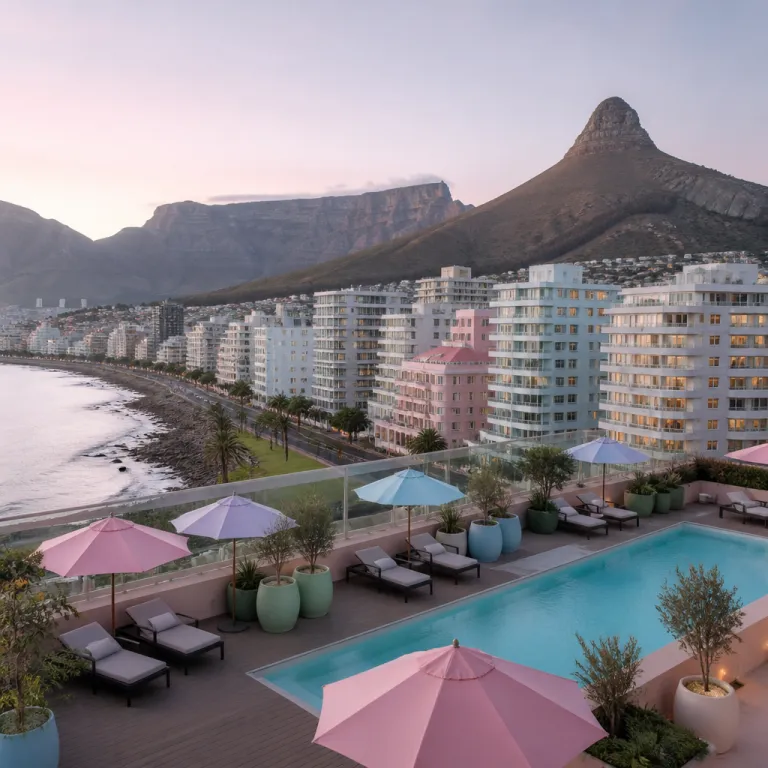
Record spending, tourism growth and the new rules of peak season
Cape Town’s visitor economy has just banked R24.5 billion in direct tourism spending for the 2023/24 financial year, and that surge is reshaping how luxury travelers need to plan their stays in the city. According to Cape Town Tourism’s 2023/24 performance update, released in mid-2024, international visitors contributed roughly R19 billion and average hotel occupancy reached 61.7 percent across the year, meaning the Cape Town tourism spending 2026 outlook is already being shaped by this record performance. For couples targeting a sea-facing suite in the City Cape corridor between the V&A Waterfront and Camps Bay, this level of tourism growth means that waiting to book until the peak summer season is now a costly gamble.
February 2024’s 81.5 percent occupancy shows how quickly premium rooms in Cape Town vanish once demand spikes, especially when international flights land full and domestic tourism adds pressure on the most desirable addresses. Cape Town Tourism reports “increased international arrivals and higher spending per visitor,” and that single trend explains why luxury properties in South Africa are tightening minimum-stay rules and pushing rates higher for the most requested dates. For example, several five-star hotels along the Atlantic Seaboard have shifted from two- to three-night minimums over New Year’s Eve, with peak-season suites now selling out months earlier than before. One London-based couple who visited in January 2024 reported that their preferred ocean-view suite in Camps Bay was fully booked six months ahead, forcing them to adjust dates and pay more for a different category. For travelers tracking Cape Town tourism spending forecasts as a signal of where to allocate their own budget, the lesson is clear: book early for November to February or expect to pay a premium for the last suites with Table Mountain views.
The city’s tourism sector is not just about headline revenue; it sustains around 106,000 jobs and underpins a wide share of hospitality employment from concierge teams to sommeliers in Constantia. That employment footprint shows how the visitor industry has become a central economic pillar for the Cape, and why local government treats the tourism growth curve as a strategic game changer for the wider city. James Vos, the Mayoral Committee Member for Economic Growth and Tourism, has made clear that the tourism sector is central to South Africa’s recovery plans, and luxury hotel investors are reading the same data when they decide whether to add more suites, expand spa facilities or invest in new branded residences.
Shoulder seasons, domestic travel and itineraries that match the new Cape Town rhythm
While the peak season grabs the headlines, the more interesting story for Cape Town tourism spending 2026 lies in the quieter months when occupancy drops and the city breathes. Cape Town Tourism data for 2023/24 shows a roughly 70 to 30 split between international and domestic tourism across the year, which means that winter in the Southern Hemisphere is no longer a dead season but a softer, more locally driven chapter in the city’s travel calendar. For couples planning a romantic itinerary, that shift opens space to read the city at a slower pace, with easier access to top restaurants, more flexible check-in times and better suite upgrades.
Domestic travel from other parts of South Africa now fills many weekend flights week after week, especially from Johannesburg and Durban, but midweek stays in June to September still offer strong value for luxury bookings. This is where the Cape Town tourism spending 2026 trend intersects with strategy: by pairing a City Cape stay at the Waterfront with a few nights in the winelands, visitors can stretch their budget while still enjoying high-end service. For those who want to understand how the city feels after dark, guides to Cape Town nightlife such as jazz bars, rooftop cocktails and late suppers help shape evenings that match the more intimate mood of the off-peak season.
International visitors are staying an average of 9.5 nights, which confirms that this destination rewards longer, layered itineraries rather than quick weekend breaks. Couples can design a town tourism route that moves from the Atlantic Seaboard to the port Cape precinct at the V&A, then inland to Woodstock galleries and finally out to Stellenbosch or Franschhoek, using the city’s improving transport access to keep transfers under 90 minutes. That kind of itinerary respects the tourism sector’s new rhythm, balancing the energy of the city with quieter days in the winelands and leaving space for domestic tourism crowds that swell during school holidays.
Air access, international markets and how to time luxury bookings
Cape Town International Airport handled 11.1 million passengers in 2023, including 3.3 million international arrivals, and that record figure is the clearest signal that future Cape Town tourism spending will be shaped by air access. A seven percent rise in international passengers year-on-year, supported by partnerships with airlines and more international flights, has turned the airport into a genuine hub for the south of the continent, with direct links to key markets in Europe, North America and the rest of Africa. For luxury travelers, more flights per week mean better arrival times and cabin choices, but they also mean that the best-located suites in the city are being claimed earlier by high-spending visitors.
New and returning routes, including long-haul services that reconnect South America and South Africa, are part of this shift in town international connectivity, and reports on routes such as the Cape Town to São Paulo link show how the city is gaining global recognition as a long-stay destination. As more international visitors from the United Kingdom, the United States, Germany, the Netherlands, France and Australia treat Cape Town as their primary African destination rather than a short stopover, the share of luxury bookings locked in six to nine months ahead is rising. Couples who want specific room categories, from penthouse suites overlooking Table Mountain to private pool villas above Clifton, should align their booking window with their flight purchase and treat both as a single strategic move.
Cape Town Tourism, led by CEO Enver Duminy, has used targeted marketing campaigns, digital tools and even virtual reality tours to position the city as a premium yet accessible destination in South Africa. The result is a tourism industry that is more resilient, with a visitor economy that spreads spending across the year and across neighborhoods, from Bo-Kaap to Sea Point and from the City Bowl to the southern suburbs. For couples planning a honeymoon that combines the city with safari, curated guides such as this Cape Town luxury and safari honeymoon planner show how Cape Town tourism spending 2026 trends can be turned into an advantage by traveling slightly outside the peak season while still enjoying the full depth of the destination.