Why this southern suburbs art route belongs on your Cape Town stay
For travelers used to the Waterfront and Woodstock, Cape Town’s southern suburbs can feel quietly off radar. Yet this is where one of the city’s most focused contemporary art routes unfolds, threading from Steenberg through Tokai to the leafy edge of Constantia and Kirstenbosch in the south of the city. For guests booking a luxury stay in Cape Town, this curated circuit of Cape Town art galleries offers an afternoon that pairs serious African art with calm landscapes and efficient logistics.
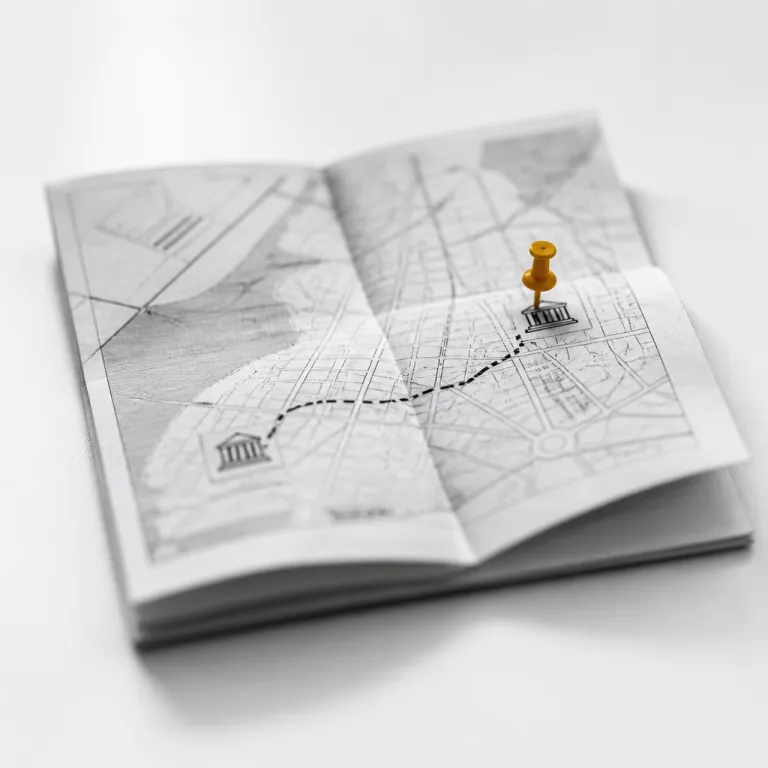
The route runs from the Norval Foundation near Steenberg, through nearby studios in Tokai, then on towards the Everard Read art gallery close to Kirstenbosch and the Constantia valley. In a country where distances can be deceptive, the roughly twenty kilometre drive between these two anchors takes around twenty five minutes in light traffic according to Google Maps, which makes the art tour realistic even on a short business trip extension. For visitors balancing meetings in the central business district with leisure, this South African art circuit feels like a deep breath away from the city without sacrificing time.
Unlike the denser cluster of galleries in town, this southern art route rewards unhurried travel and a slightly slower rhythm. You move between a purpose built museum space, a sculpture garden, wine estates and discreet galleries, rather than hopping between storefronts. For guests staying in premium hotels in Constantia, Bishopscourt or the V&A Waterfront, private drivers or ride hailing services make the logistics simple, while concierge teams can pre book tickets, restaurant tables and private guides along the way so that the afternoon runs like a well planned meeting.
Norval Foundation: architecture, collection and a sculpture garden framed by vineyards
The Norval Foundation sits at the foot of the Steenberg mountains, its low slung building by dhk Architects reflecting both wetland and vineyard. This is not just another contemporary museum in South Africa; it is a purpose built home for a major collection of South African and broader African art. For many visitors, this is where any serious Cape Town gallery guide truly begins, because the building, the landscape and the works speak to each other with thought provoking clarity.
Inside, the exhibition spaces focus on contemporary art from the country and the wider continent, with rotating shows that highlight both established and emerging artists from South Africa and other parts of Africa. Recent and recurring highlights have included exhibitions devoted to artists such as William Kentridge, Athi-Patra Ruga and Zanele Muholi, alongside group shows that place South African painters and sculptors in dialogue with international artists. You might move from a room of large scale works by South African painters to a quieter space showing African art photography, then step into a gallery devoted to international artists in dialogue with the local art scene. The curatorial approach feels rigorous rather than flashy, which suits travelers who prefer depth over quick Instagram moments.
Outside, the sculpture garden is where the Norval Foundation really connects art, land and travel in a single frame. Sculptural works rise between fynbos and water, with Table Mountain’s southern ridges anchoring the horizon and the city held at a distance. This is also where luxury hotel guests often linger longest, because the space allows you to decompress after flights, late suppers or jazz filled nights in town, especially if you have followed a guide to Cape Town after dark for rooftop cocktails and live music. When you photograph the sculptures, use image captions and alt text that reference both the artist and the surrounding landscape to keep your visual record useful long after the trip.
Designing your art afternoon: timings, tickets and how to move between venues
Planning this art tour as part of a premium Cape Town stay is straightforward when you treat it like a half day meeting in your calendar. Aim to arrive at the Norval Foundation around midday, which gives you two unhurried hours to move through the galleries and the sculpture garden before lunch. A simple way to structure the afternoon is to follow a clear timetable that you can mirror in your own calendar or map app:
12:00 – Arrive at Norval Foundation and explore the indoor exhibitions.
13:00 – Continue into the sculpture garden and outdoor installations.
14:00 – Lunch at Norval’s Skotnes Restaurant, with time for coffee or dessert.
15:30 – Depart for Everard Read Gallery near Kirstenbosch and Constantia.
16:00 – Explore Everard Read’s current exhibition and browse available works.
17:30 – Conclude the art afternoon or continue to a nearby Constantia wine estate.
Tickets for the Norval Foundation can be booked online in advance, and there is an entrance fee; at the time of writing, standard adult admission is typically in the region of R200, with reduced rates for children, students and pensioners, and free entry on certain public programmes. Everard Read art gallery generally welcomes visitors without charge during normal opening hours. Self drive works well for guests staying in Constantia or the southern suburbs, but ride hailing services are often easier for those based in the central city or at the Waterfront. The twenty kilometre distance between the two main venues usually takes around twenty five minutes by car, though you should allow extra time in peak south cape traffic and check current opening hours before you set out using your preferred maps and booking tools.
International visitors arriving from North or South America increasingly fold this art route into longer Africa itineraries, especially now that direct flights reconnect the country with hubs like São Paulo, as outlined in this analysis of how Cape Town to São Paulo in under nine hours reshapes intercontinental travel. If you are extending a business trip, ask your hotel concierge to align check out times, airport transfers and this art tour so that your final afternoon in Cape Town is spent with African art rather than in a lounge. For guests continuing to safari lodges or winelands retreats, this southern suburbs circuit offers a final, urbane counterpoint to the bush and vineyard.
Everard Read and the Constantia fringe: galleries, wine and a quieter art scene
Where the Norval Foundation feels like a museum, Everard Read operates as a finely tuned commercial gallery with deep roots in South Africa. Often described as the country’s oldest commercial gallery, it has spent more than a century representing leading South African artists and, more recently, carefully selected international artists. In the context of a Cape Town art gallery guide, this is where you see how the city’s art scene connects collectors, curators and emerging artists in a single, elegant space.
The Cape Town outpost of Everard Read sits near the Kirstenbosch and Constantia corridor, which makes it a natural second stop after the Norval Foundation. Inside, you will find a rotating collection of contemporary art, from large canvases by established South African painters to sculptural works and photography by younger voices. Recent exhibitions have featured artists such as Deborah Bell, Lionel Smit and Beezy Bailey, alongside curated group shows that introduce new South African artists to international visitors. Staff are used to visitors who are more interested in understanding the work than in immediate acquisition, so you can ask direct questions about artists, prices and how the gallery supports African art across the country.
From here, it is an easy drive to Constantia’s wine estates, where art, Africa and hospitality intersect in quieter ways than in town. Properties such as Steenberg and Buitenverwachting often host small galleries or curated displays of works by local artists, which turns a tasting into a gentle extension of your art tour. For luxury travelers who have already explored headline spaces like Zeitz MOCAA at the Waterfront, this south cape valley offers a more private, residential view of how art lives alongside vines, old farm buildings and long, late lunches.
Smaller stops, rainy day strategies and how hotels can shape your art route
One strength of this southern suburbs art route is its flexibility, which matters when Cape Town’s weather shifts from bright to brooding in a single morning. On clear days, you will want to spend longer in the Norval Foundation sculpture garden and perhaps add a slow walk in Kirstenbosch after Everard Read. When the rain moves in from the south, the focus shifts naturally to interior galleries, long lunches and the kind of thought provoking conversations that happen over good wine.
Between Steenberg and Constantia, small studios and lesser known galleries in Tokai and the Kirstenbosch fringe showcase work by emerging artists who are still building their reputations in South Africa. Ask your hotel concierge or a local art guide to identify which spaces are open on the day of your tour, because opening hours can be fluid and some artists receive visitors by appointment only. This is where an art galleries Cape Town guide written for luxury travelers differs from generic lists, since it filters the city’s art scene through the lens of service standards, safety and time efficiency, and can provide you with up to date contact details and directions.
Many guests pair this southern suburbs afternoon with a very different kind of art and Africa experience later in their stay, such as a refined wildlife escape at a private reserve, using a curated safari review as a planning tool. A detailed feature on Tanda Tula safari camp in Timbavati game reserve for refined wildlife escapes, for example, shows how visual culture, landscape and hospitality intersect beyond the city. Moving between Cape Town’s galleries and the bush in a single trip underlines how South Africa’s creative work is rooted in both urban and rural narratives, which is precisely what makes the country so compelling for repeat visitors.
Positioning this route within Cape Town’s wider art africa landscape
Any serious art galleries Cape Town guide has to situate the southern suburbs within the broader art Africa ecosystem of the city. On one side, you have the Waterfront and central business district, anchored by Zeitz MOCAA, a major contemporary museum for African art on the continent. On the other, the Woodstock and east city districts host dense clusters of galleries, studios and project spaces that foreground experimental contemporary art and younger artists.
The southern route from the Norval Foundation to Everard Read, with optional stops at Constantia estates and smaller galleries, offers a complementary experience that is calmer and more residential without feeling remote. Here, the focus is on carefully curated collections, architecture and landscape, rather than on the raw energy of warehouse conversions in town. For business leisure travelers who may only have one free afternoon in Cape Town, this balance of depth, comfort and logistical ease often makes more sense than trying to sprint through every art gallery in the city.
Names like Moller Gallery and Christopher Moller in the central city remain important for collectors tracking specific artists, and they fit naturally into another day’s art tour focused on the CBD and Woodstock. Yet the southern suburbs circuit stands on its own as a way to understand how South African and international artists are framed within a landscape of vineyards, mountains and long established suburbs. Taken together, these routes show how Cape Town’s art scene is not a single strip but a network of galleries, museums and private collections that reward repeat travel and longer stays, especially when you plan your days with clear maps, timed entries and pre booked transfers.
Key figures shaping Cape Town’s southern suburbs art afternoon
- The distance between the Norval Foundation and Everard Read in the southern suburbs is approximately 20 kilometres, with an average travel time of around 25 minutes by car according to Google Maps, making the art route efficient even on a tight schedule.
- The structured art afternoon itinerary typically runs from 12:00 to 17:30, giving visitors around five and a half hours to experience museum spaces, a sculpture garden and at least one wine estate without rushing.
- With entrance fees charged at the Norval Foundation but not usually at Everard Read, travelers can allocate more of their budget to guided art tours, restaurant experiences and acquisitions from South African artists.
- Both venues generally offer on site parking, and accessibility features such as ramps and lifts are available at the Norval Foundation, which makes the route practical for travelers with mobility considerations.
FAQ: planning an art afternoon from Norval Foundation to Everard Read
Is there an entrance fee for the Norval Foundation and how do I book?
There is an entrance fee for the Norval Foundation, and the simplest approach is to book tickets online before your visit. This guarantees access during busy periods when international visitors and local residents converge on the exhibitions. Booking ahead also helps you time your arrival for midday, which aligns well with the recommended art afternoon schedule and allows you to coordinate transfers and restaurant reservations.
Are guided tours available at Everard Read and nearby galleries?
Guided tours may be available at Everard Read Gallery; contact the gallery directly for current details using the email or phone number listed on their official channels. Many luxury hotels can also arrange private art guides who accompany you through both the Norval Foundation and smaller southern suburbs galleries. This is particularly useful if you are interested in specific South African artists or in acquiring African art during your stay.
How much time should I allow for the full southern suburbs art route?
Allow at least five to six hours for the complete art tour from the Norval Foundation to Everard Read, including lunch and a short transfer between venues. Two hours at the Norval Foundation, ninety minutes at Everard Read and an additional hour for a Constantia wine estate usually feels comfortable. If you plan to add extra galleries or a longer walk in the sculpture garden, extend the afternoon accordingly.
What is the best way to travel between my hotel, Norval Foundation and Everard Read?
Self drive works well if you are confident navigating Cape Town’s southern suburbs and have secure parking at your hotel. Many visitors, especially those staying in central city or Waterfront properties, prefer ride hailing services or hotel cars, which remove the need to manage traffic or directions. The twenty kilometre journey between the two main venues is short enough that transfers rarely dominate the afternoon, and your concierge can help you pin the exact locations on your preferred map.
How does this southern suburbs route compare with visiting Zeitz MOCAA and central city galleries?
The Norval Foundation to Everard Read route offers a quieter, more landscape driven experience than the Waterfront and CBD circuit anchored by Zeitz MOCAA. In town, you will find a denser concentration of galleries such as Moller Gallery and Christopher Moller, along with the large scale museum spaces of the Silo District. The southern suburbs, by contrast, combine African art, vineyards and mountain views, which many luxury travelers find ideal for a final, reflective afternoon in Cape Town and a fitting conclusion to a wider art Africa itinerary.