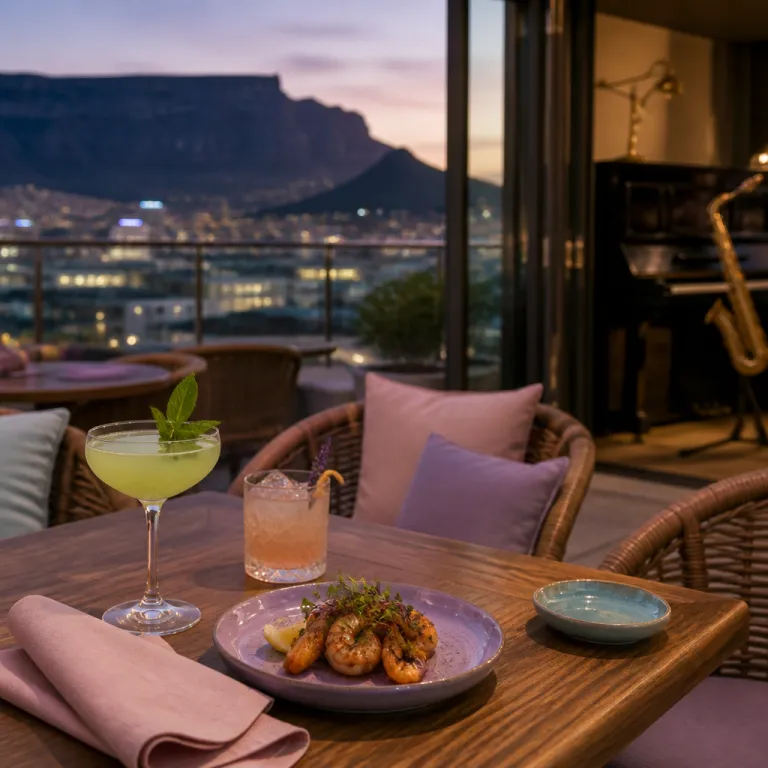
Cape Town nightlife bars jazz: where the city’s rhythm begins
Cape Town after dark feels like a different town, and the most rewarding nights start where the city’s jazz culture still sets the tempo. The legacy of township jazz that once threaded through District Six and the Cape Flats now lives in intimate rooms where live music, crafted cocktails and serious food share equal billing. For business travelers extending a stay, this is where a good night stops being an obligation and becomes the reason you book an extra day.
The city’s jazz heritage is inseparable from South Africa’s political history, and you hear it in every saxophone line that curls through a late bar. When you plan your Cape Town jazz and nightlife itinerary, think in layers: an early dinner in a refined restaurant, a first drink in a rooftop bar, then a final set in a dedicated jazz club where the music starts late and the cover charge feels like a contribution to living culture. That sequence works especially well if you stay near the City Bowl or Gardens, where walking routes between venues remain short and well lit.
For orientation, imagine the city as a crescent running from Sea Point along the Atlantic to the working docks and then up into the old town streets. Rooftop terraces float above this curve, while the most characterful jazz bar addresses hide at street level, sometimes behind unmarked doors or above a modest cafe. To make the most of Cape Town’s live music options, check venue schedules before you leave your room and use mobile apps for real time updates on jazz gigs and other performances.
Jazz heritage: from District Six echoes to today’s blue rooms
The emotional core of the Cape Town jazz scene still beats in venues that honour the sound born in District Six and the Cape Flats. Many of the musicians you hear in a contemporary club learned their craft in church halls and community centres on the edge of town, where improvised music once offered both escape and quiet resistance. When you sit down in a blue room style space today, you are stepping into that continuum rather than a themed night out.
Rick's Café Américain on Park Road in Gardens is a good example, a historic villa reimagined as a relaxed bar with a rooftop terrace and a warmly lit blue room downstairs. The venue regularly advertises live jazz on selected evenings, most often Thursday to Saturday; always confirm current nights and times directly with the bar or via its social channels, as line-ups and schedules can shift with seasons and special events.
Order a round of cocktails built on local botanicals, pair them with good comfort food, and let the live jazz unfold slowly. The room is intimate enough that a late jam session can feel like a private performance, especially when Cape standards slide into local adaptations of American blue classics. As Cape Town saxophonist Buddy Wells once noted in an interview, “this city still tells its stories through small rooms,” a reminder that this music belongs to the streets that shaped it.
Rooftop bars and Atlantic horizons: elevated rooms for serious cocktails
While the jazz heritage runs at street level, many evenings now start on the roof. Tjing Tjing Rooftop Bar, perched above a heritage building in the old town, layers Japanese inspired design over a view that stretches from Bree Street to the dark outline of Table Mountain. Time your arrival for the last light, when the Cape sky turns deep blue and the city’s first lights flicker on.
Allure Rooftop Lounge, by contrast, feels like a contemporary urban terrace, with a sleek bar, low sofas and a cocktail list that leans into South Africa’s botanicals. Ask for drinks built around fynbos, rooibos or local gin, then pair them with small plates that go beyond standard bar food and justify staying for a second round. Many luxury hotels now compete with these venues, promising their own skyline lounges and occasional live music, but the independent rooftops still offer the most textured view of Cape Town’s after dark culture.
From a practical perspective, staying in a City Bowl or Gardens property makes these rooftops walkable, which matters when venues keep pouring until late, often around 1–2 AM. If you are based closer to Sea Point, a short ride share into town keeps your route simple and avoids late night parking stress. For guests who spent the day on the mountain using the Table Mountain trails locals prefer, a rooftop bar becomes the natural bridge between hiking boots and a more polished night in the city.
Bree Street, Sea Point and the late supper circuit
When you talk about Cape Town’s nightlife, Bree Street inevitably enters the conversation. This central artery has become the city’s most reliable strip for a progressive evening that moves from cafe to restaurant to bar without ever needing a car. Start with an early reservation at a great Mediterranean leaning restaurant, where the food reflects the city’s coastal location and the wine list leans confidently into South Africa’s best producers.
After dinner, step back onto Bree Street and follow the sound of live music drifting from upstairs rooms and side alleys. Some venues host jazz several nights a week, while others switch between DJ sets and occasional live bands, so always check the schedule before you commit to a cover charge. The beauty of this part of town is choice: if one club feels too crowded or the cocktails are not good, you can walk a block and find another bar with a more relaxed room and a better balance between conversation and sound.
Sea Point offers a different rhythm, with ocean facing cafes and casual restaurants that stay open late enough to count as a second sitting. Here, jazz influences are softer, often limited to background playlists rather than full live performances, but the promenade setting makes up for it. For travelers staying in Atlantic seaboard hotels, a Sea Point dinner followed by a short ride into town for a dedicated jazz club or blue room session creates a well paced night.
Hidden gems: markets, side streets and improvised jam sessions
Beyond the headline venues, Cape Town’s music culture thrives in more casual spaces where locals outnumber visitors. Mojo Market in Sea Point is a prime example, a hybrid food hall and live music hub where you can graze from multiple food stalls while a band works through familiar standards on a small stage. It is not a formal jazz club, but on the right night the energy rivals more polished rooms, especially when a spontaneous jam session breaks out.
In the City Bowl, side streets off Bree Street hide smaller bars and cafes that occasionally flip into jazz bar mode. You might walk past a modest cafe style venue during the day, only to find that the same room hosts live music after dark with a minimal cover charge and a short but focused cocktail list. These are the places where the city’s sound feels most unfiltered, and where a good conversation with the bartender can lead to recommendations for even more obscure late night gatherings.
For travelers interested in the deeper story behind these sounds, it is worth reading about the city’s cultural evolution in guides that explain how Cape Town is learning to tell its own story. Understanding how District Six, the Cape Flats and the modern arts district connect will change how you hear live jazz in a blue room or at a market stage. It also helps you choose where to spend your night and your money in ways that support the communities that kept this music alive.
Practicalities: where to stay, how to move and when to call it a night
For business leisure travelers, the smartest strategy starts with hotel location. Booking a luxury property in the City Bowl or Gardens area keeps you within a short walk or quick ride of most jazz bars, rooftop terraces and late night restaurants. That proximity matters when live music often runs until about 22:30 and rooftop cocktails continue into the early hours, especially if you have morning meetings the next day.
Use reputable ride share services or hotel car partners for any late night movement between town and Sea Point, and avoid walking long, quiet stretches after midnight. Before you leave your room, check each venue’s schedule online, paying attention to when the music starts and whether there is a cover charge for the main set. Many places in central Cape Town, including Rick's Café Américain and similar clubs, concentrate their live jazz on Friday and Saturday nights, so plan your focus evenings accordingly.
When you book, ask your hotel concierge for up to date recommendations, but do not rely solely on generic lists that ignore smaller spaces and emerging rooms. A good concierge will know which Bree Street bar currently hosts the strongest trio, or which blue room near Gardens has the best cocktails and food combination. Call it a night before fatigue dulls the experience, and remember that in South Africa the most memorable conversations often happen in the quiet minutes after the last song, when the bar lights rise and the city’s rhythm finally slows.
Key figures behind Cape Town’s after dark rhythm
- Local guides and tourism features regularly highlight more than a dozen notable rooftop bars across central Cape Town, a sign of how seriously the city takes elevated drinking spaces with skyline and sea views (summary of recent hospitality coverage).
- Many central venues keep serving until around 1–2 AM, which means travelers can comfortably combine a late supper, a rooftop cocktail round and a full live jazz set in one night without rushing between rooms (based on typical posted hours).
- Live jazz performances in key venues such as Rick's Café Américain commonly run from early evening to around 22:30 on peak nights, aligning well with business travelers who work during the day and explore local music culture after dark (check current venue guidance when you book).
- Local tourism and hospitality bodies report that the rise in rooftop bar popularity, increased demand for live jazz and growth in late night dining options are all contributing to stronger evening economies in central Cape Town.
FAQ: Cape Town nightlife, jazz bars and late suppers
What are the best places to hear live jazz in Cape Town?
For focused live jazz experiences, start with Rick's Café Américain in the city centre, where weekend evenings often feature bands in a characterful room. Supplement that with smaller venues off Bree Street and occasional sets at markets and cultural centres. Always check current listings, as line ups and jam session nights change regularly.
Which rooftop bars offer the best views for cocktails after dark?
Tjing Tjing Rooftop Bar is widely praised for its panoramic city views and refined cocktails, making it a strong first stop before a jazz club. Allure Rooftop Lounge offers a more contemporary terrace feel with a focus on crafted drinks and a stylish crowd. Many luxury hotels also operate rooftop spaces, but independent bars often provide a more textured sense of Cape Town’s night skyline.
Are late night dining options reliable for quality food?
Central Cape Town has seen clear growth in late night dining, with several Bree Street and Sea Point restaurants serving food until around 22:00 while maintaining high standards. Many venues operate as both restaurant and bar, so you can move from dinner to cocktails without changing address. Always confirm kitchen closing times when you book, as some places stop serving food earlier on quieter nights.
How safe is it to move around Cape Town at night for jazz and bar hopping?
The main nightlife districts around the City Bowl, Bree Street, Gardens and Sea Point are busy and generally feel comfortable when you use common sense. Rely on reputable ride share services or hotel arranged cars for longer transfers, and avoid walking isolated streets after midnight. Choosing a hotel within easy reach of your preferred jazz bar or rooftop club reduces late night travel and keeps the focus on the music.
How should I plan my evenings if I am in Cape Town for business?
Base yourself in a central luxury hotel so you can move quickly between meetings and nightlife. Aim for a structure of early dinner, one or two rooftop cocktails, then a focused live jazz set in a dedicated room, which fits well within typical venue hours. Reserve key restaurants and club tables in advance, especially on Thursday to Saturday, when the city’s nightlife and jazz culture are at their most vibrant.