Cape Town heritage hotels: architecture, history and family stays
Cape Town heritage hotels architecture as a living city story
Cape Town’s heritage hotel architecture tells the story of a port city that never stopped reinventing itself. In this coastal metropolis, historic buildings that once housed prisoners, merchants or grain now welcome guests who want both character and comfort. When you book a hotel here, you are often choosing a chapter of South African history as much as a room category.
The adaptive reuse of historic buildings into luxury accommodation has accelerated across the city bowl and Atlantic Seaboard, with at least five landmark structures now operating as hotels. These converted properties preserve original architectural details while adding contemporary African design, so families can enjoy generous rooms, reliable room service and layered stories under one roof. For travellers comparing hotels from Johannesburg to the harbourfront, Cape Town now offers some of the most compelling examples of how a heritage hotel can feel both historic and fully modern.
Each historic building carries a specific role in the city fabric, from waterfront warehouses to a former nineteenth-century prison complex at the V&A Waterfront. Properties such as Protea Breakwater Lodge, The Winchester Hotel and ONOMO Hotel Cape Town – Inn on the Square show how a stay in a central Cape Town hotel can turn a simple night into an architectural lesson. When you sign to receive your key at check-in, you are stepping into spaces where South African political, maritime and cultural histories once played out in real time.

Cape Dutch gables, African light and family friendly heritage
On the Atlantic seafront, The Winchester Hotel stands as a textbook example of Cape Dutch–influenced architecture translated into a working hotel. Originally completed as a residential block in the 1920s and later converted into hospitality use, its whitewashed walls, ornate gables and deep verandas were designed for the African climate, and today they frame courtyards where guests linger over breakfast while the city wakes up along the street outside. For families, the U-shaped building creates a sheltered courtyard that feels safe for children yet still connected to the energy of Cape Town.
Cape Dutch heritage hotels across the wider region, from Constantia to Stellenbosch, share similar architectural signatures that matter when you book with kids in mind. Thick masonry walls keep rooms cool in summer, high ceilings add a sense of luxury and long stoep terraces give parents line of sight while children move between pool and garden. These historic buildings were not designed as hotels, yet their original design logic suits contemporary African family travel surprisingly well.
Inside, many Cape Dutch-inspired luxury hotels now layer in contemporary African art and furniture to avoid the museum effect. You might see Art Nouveau–inspired light fittings beside raw timber beams, or a sleek modern sofa set against a traditional fireplace. This mix of old and new is where Cape Town’s historic hotel architecture feels most alive for guests, because the design respects the building while still acknowledging that families need charging points, storage and flexible sleeping arrangements.

Mount Nelson and the grand tradition of the city hotel
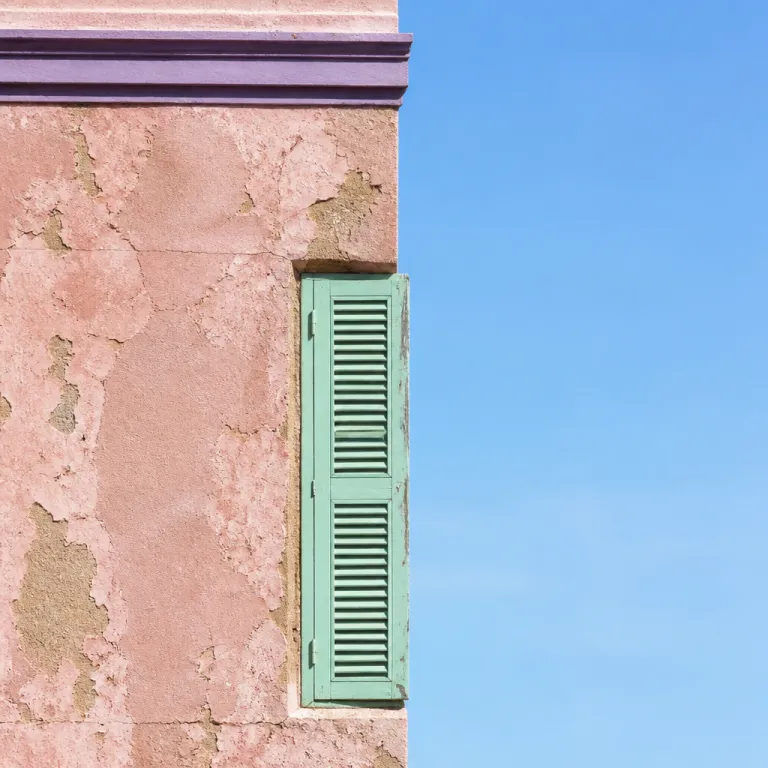
In the shadow of Table Mountain, Mount Nelson remains the city’s grande dame and a masterclass in how to evolve a heritage hotel without losing its soul. Opened in 1899 and now operated as a Belmond property, the pastel pink façade, deep verandas and manicured gardens speak to a different era, yet the hotel’s ongoing renovations show how a historic building can keep pace with contemporary expectations. Often referred to as Mount Nelson Belmond or simply Nelson Belmond, this landmark balances nostalgia with a clear commitment to modern luxury.
Families choosing between luxury hotels in Cape Town and Johannesburg often find Mount Nelson’s layout particularly forgiving. The main building and garden wings create a village-like feel, with lawns where children can play while adults enjoy afternoon tea or a spa treatment. Corridors are wide, ceilings high and public rooms generous, so even at full occupancy guests rarely feel crowded inside this landmark hotel.
The architectural language here is less Cape Dutch and more late Victorian, with touches that nod toward Art Nouveau in ironwork and interior detailing. Public spaces showcase South African art alongside classic furniture, while newer suites introduce contemporary African design elements that quietly update the narrative. For architecture-focused travellers, Mount Nelson demonstrates how Cape Town’s heritage hotel architecture can evolve through careful interior interventions rather than dramatic structural change, a theme explored in depth in specialist analyses of how international architects reshape the city’s hotel interiors.

From grain silos to waterfront icons: the industrial heritage wave
Down at the V&A Waterfront, the city’s industrial past has become some of its most photogenic hotel real estate. The Silo Hotel occupies the upper floors of a former grain silo building, its faceted glass windows now a signature of Cape Town’s reimagined harbour district. Below it, the Zeitz Museum of Contemporary African Art anchors the complex, illustrating how art and architecture can transform an industrial structure into a cultural landmark.
Families staying at The Silo Hotel or nearby waterfront hotels experience a different kind of heritage, one rooted in maritime trade and engineering rather than gables and gardens. Original concrete tubes, steel beams and warehouse proportions remain visible, while interiors lean into bold contemporary African art and design to soften the industrial bones. This contrast between hard infrastructure and soft furnishings creates a dramatic backdrop for a city break that still feels comfortable for children who need space to move.
Other historic buildings in the precinct, such as the former nineteenth-century prison buildings now operating as Protea Breakwater Lodge, show another side of adaptive reuse. Here, the architectural story is more austere, with former cell blocks reimagined as compact hotel rooms and courtyards turned into communal areas for guests. These conversions underline a key point for travellers who book heritage hotels in the city, because the original function of each building shapes everything from corridor widths to how easily a stroller navigates the property.

The heritage hotel paradox: restrictions that improve design
Working with protected heritage buildings in South Africa comes with strict rules that can frustrate developers yet often benefit guests. Facades on a historic street may be untouchable, window openings fixed and rooflines preserved, forcing architects to solve circulation, services and room layouts within tight constraints. This heritage hotel paradox means that some of the most interesting Cape Town hotel conversions emerge not from freedom, but from limits.
Inside these hotels, you will notice irregular room shapes, unexpected steps and quirky corridors that reflect the original building logic. Rather than flattening everything into a standard hotel grid, designers often choose to celebrate these idiosyncrasies with strong interior design moves and carefully curated art. For families, this can translate into interleading rooms carved from former offices, or generous corner suites where two smaller rooms were once combined.
Properties such as ONOMO Hotel Cape Town – Inn on the Square, housed in the former Shell House building on Greenmarket Square, illustrate how listed status can drive creative solutions. Public areas respect the rhythm of the original façade, while interiors introduce contemporary African materials and colour to keep the atmosphere warm rather than institutional. When you book these hotels, pay attention to how the design team has handled transitions between old and new, because those junctions often reveal the courtesy and care extended to guests behind the scenes.

How families should read architecture when booking in Cape Town
Architecture is not just a backdrop for your holiday photos; it shapes how your family moves, sleeps and relaxes in Cape Town. When you compare heritage hotels and newer luxury properties, look beyond the façade to understand how the building plan will work for your specific needs. A grand staircase may look impressive in photos, but if you are pushing a stroller or managing toddlers, you will want to know where the lifts sit in relation to your rooms.
Start by reading floor plans and room descriptions carefully before you book, paying attention to whether rooms are in the original building or a newer wing. Heritage hotels often have more variation between rooms, so asking for connecting rooms, courtyard access or specific orientations can make a big difference to your stay. In winter, when the Cape weather turns cooler and the city slows, heritage properties with deep lounges and fireplaces become particularly appealing, a point often highlighted in guides to why the off-season is the luxury insider’s best-kept advantage in Cape Town.
Families who value food should also consider how architecture supports dining, from breakfast rooms that catch morning light to whether a courtyard-style layout allows older children to walk safely to on-site restaurants. While Cape Town does not yet have a large number of Michelin-starred restaurants inside hotels, many heritage properties collaborate with leading South African chefs to create destination dining that feels integrated into the building rather than an afterthought. Finally, check how room service operates in older buildings, because long corridors, split levels and thick walls can affect both speed and temperature, subtle details that matter when you are feeding hungry children after a long day in the city.
Key figures on Cape Town’s heritage hotel conversions
- Cape Town currently has at least five significant historic buildings converted into hotels, including The Winchester Hotel, Protea Breakwater Lodge, The Silo Hotel, ONOMO Hotel Cape Town – Inn on the Square and The Lenox, illustrating the scale of adaptive reuse in the city’s hospitality sector.
- The Winchester Hotel, a landmark of Cape Dutch–influenced architecture on the Atlantic Seaboard, was originally built as a residential building in the early twentieth century and converted into a hotel several decades later, showing how domestic-scale structures can successfully transition into full-service hotels.
- Protea Breakwater Lodge began life as a British prison complex in the nineteenth century before becoming a modern hotel, demonstrating how even austere institutional architecture can be reimagined for guests while preserving key historic elements.
- The Silo Hotel occupies the top six floors of a former grain silo complex at the V&A Waterfront, a project that has become a widely cited reference point for industrial heritage conversions in South Africa and beyond.
- ONOMO Hotel Cape Town – Inn on the Square operates in the former Shell House on Greenmarket Square, underlining how commercial office buildings from the early twentieth century can be adapted into centrally located city hotels without erasing their original character.
FAQ about Cape Town heritage hotels architecture
What are some notable historic buildings in Cape Town that became hotels?
Key examples include The Winchester Hotel on the Atlantic Seaboard, Protea Breakwater Lodge at the V&A Waterfront, The Silo Hotel in the former grain silo complex, ONOMO Hotel Cape Town – Inn on the Square in the old Shell House and The Lenox, which is transitioning from a historic residential building into an artist-focused hotel space. These properties span different architectural styles, from Cape Dutch to industrial and early twentieth-century commercial. Together they form the backbone of Cape Town’s character-rich hotel scene for travellers seeking distinctive stays.
Why are historic buildings in Cape Town being converted into hotels?
Historic buildings in Cape Town are converted into hotels to preserve cultural heritage, attract tourism and revitalise key parts of the city. This adaptive reuse approach allows owners to maintain façades, structural elements and significant interior details while introducing modern services and amenities. Documented examples include The Winchester Hotel, Protea Breakwater Lodge, The Silo Hotel, ONOMO Hotel Cape Town – Inn on the Square and The Lenox.
Do heritage hotels in Cape Town offer modern amenities for families?
Most heritage hotels in Cape Town combine original architecture with contemporary services such as Wi‑Fi, climate control, updated bathrooms and reliable room service. Many also provide family-friendly features like interleading rooms, cots on request and flexible dining options that work for children. When you book, it is worth asking whether your room sits in the oldest part of the building or a newer wing, as layouts and sound insulation can differ.
How does Cape Dutch architecture influence the guest experience?
Cape Dutch architecture, with its thick walls, high ceilings and deep verandas, creates naturally cool interiors and generous shaded outdoor spaces that suit the African climate. For guests, this often translates into quiet rooms, comfortable temperatures and atmospheric courtyards that feel ideal for families. The style’s sculpted gables and whitewashed walls also give many Cape Town heritage hotels a strong visual identity that anchors your sense of place.
Is it better to stay in a heritage hotel or a new build in Cape Town?
The choice between a heritage hotel and a new build depends on your priorities as a traveller. Historic properties offer character, history and often more varied room layouts, while new builds usually provide more standardised rooms, larger windows and sometimes easier accessibility. Families who value space and predictability may lean toward newer luxury hotels, while those who enjoy narrative-rich stays and distinctive architecture often find heritage properties more rewarding.
Sources and further reading
- Cape Times – reporting on The Winchester Hotel’s refurbishment and heritage status in Cape Town.
- Uniq Hotels – architectural overview of Protea Breakwater Lodge’s prison-to-hotel conversion.
- Artefacts – historical notes on Shell House and its transformation into ONOMO Hotel Cape Town – Inn on the Square.