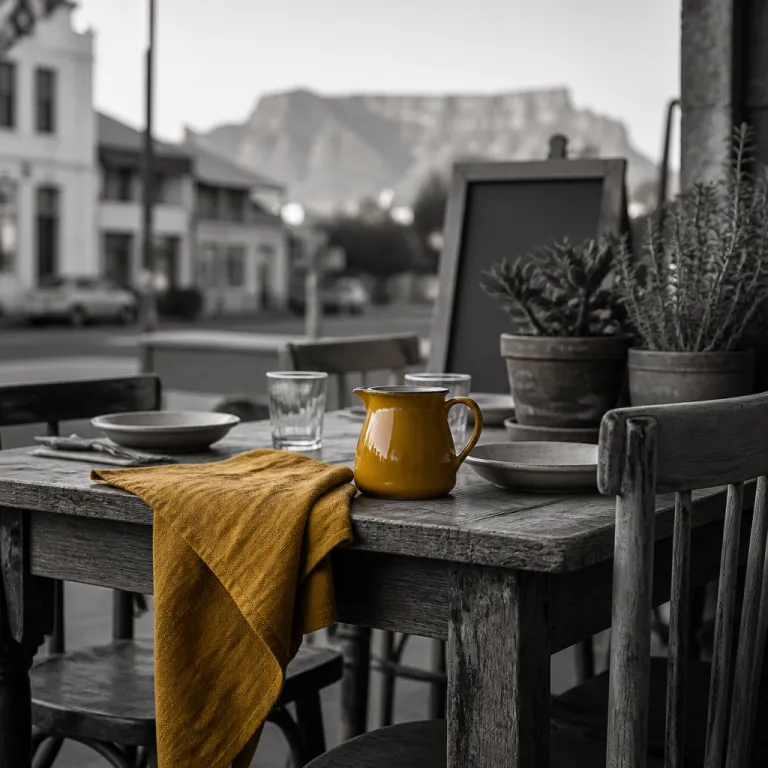
Why the best local restaurants in Cape Town start in the neighbourhoods
Cape Town is a city where a quiet corner restaurant can outshine a white tablecloth dining room. In neighbourhoods from Woodstock to Observatory and along Kloof Street and Bree Street, you will find owner run restaurants where the chef writes the menu after talking to farmers and fishers that morning. For luxury travellers used to formal fine dining in south Africa, these intimate rooms offer a different kind of fine experience, where the best local restaurants Cape Town has are measured less by chandeliers and more by the energy around the table.
The Western Cape sits between cold Atlantic waters and fertile valleys, so the food in town moves quickly from farm and ocean to plate. That proximity means the same seafood and vegetables that appear on a thousand rand tasting menu in the city centre also land in a R300 lunch special at a neighbourhood restaurant, often cooked by the same calibre of chef. When you choose carefully among the many restaurants Cape travellers talk about, you can enjoy a world class dining experience without committing to a long multi course set menu or a formal tasting menu.
For guests booking luxury hotels in cape town, this shift matters because dinner no longer needs to be confined to the hotel restaurant or the V&A Waterfront. A short ride from camps bay or sea point places you in streets where south African dishes share space with modern small plates and natural wine, and where the best restaurants feel like local secrets rather than global brands. In a city with more than 500 neighbourhood restaurants, according to the Cape Tourism Board, the challenge is not finding a good restaurant, but choosing which table to claim for dinner.
Woodstock, Observatory and the art of the owner chef dining room
Woodstock and Observatory sit just east of the city centre, close enough to cape town’s business district for an easy taxi ride yet far enough that rents still allow independent restaurants to thrive. Here the typical restaurant is compact, the menu is short, and the chef is often the person pouring your wine or explaining the dishes at your table. This owner chef model keeps the focus on food rather than spectacle, and it is where many travellers quietly find the best local restaurants Cape Town can offer for a relaxed dinner.
In these streets, south African ingredients meet global ideas in ways that feel personal rather than staged. You might see a single seafood course built around line caught hake, served with a bright salad of local greens, or a slow cooked lamb bredie reimagined as part of a series of small plates designed for sharing. Prices usually sit in the R200 to R400 per person range for a generous meal without wine, which is a good value in a city where formal fine dining can cost several times more for similar produce and similar levels of chef attention.
Neighbourhood stalwarts such as Bo Kaap Kombuis and The Woodlands Eatery show how restaurants cape travellers love often grow from community roots rather than investor backed concepts. Bo Kaap Kombuis focuses on Cape Malay dishes like bobotie and fragrant curries, while The Woodlands Eatery leans into Italian comfort food shaped by south African produce and a thoughtful wine list. When you read about new openings that promise fire, sharing and no pretence, such as the ethos described in Cape Town’s latest chef driven neighbourhood restaurant stories, you are seeing this same spirit of honest, ingredient first dining extended into fresh locations.
Kloof Street, Bree Street and the casual side of fine dining
On the slopes below Table Mountain, Kloof Street and Bree Street form a spine of restaurants where locals meet after work and travellers drift in from nearby hotels. These are the blocks where the best local restaurants Cape Town residents actually book for themselves, rather than the places that only appear on international lists. You will find wine bars, bistros and south African led kitchens that blur the line between casual dining and fine dining, often with a short set menu or a flexible tasting menu that changes weekly.
Look for restaurants where the menu fits on a single page, the wine list leans heavily on Western Cape producers, and the chef is visible in the open kitchen rather than hidden behind a pass. These are usually the best restaurants for a solo explorer who wants to sit at the bar, order a few small plates and talk to the staff about what is good that night. A plate of grilled seafood, a seasonal vegetable course and a glass of coastal chenin blanc can turn into a full dining experience, without the formality of a multi hour tasting menus procession.
Cape Town’s Michelin aspirant addresses such as FYN or La Colombe, profiled in guides to Cape Town fine dining where chefs cook what they want to eat, absolutely have their place in the city’s story. Yet for many luxury travellers staying in the city centre, a night on Bree Street or Kloof Street offers a more flexible way to taste south Africa, especially if you prefer to curate your own courses rather than commit to a fixed set menu. The key is to treat these streets as your extended hotel lobby, moving between restaurants and wine bars until you find the table that feels right.
Sea Point, Camps Bay and coastal tables with serious food credentials
Along the Atlantic seaboard, sea point and camps bay present two very different faces of cape town dining. Camps bay is all sweeping views and beach club energy, where restaurants compete for sunset tables and the wine flows as freely as the sea breeze. Sea point, by contrast, hides some of the best local restaurants Cape Town has for serious food lovers, tucked between apartment blocks and everyday shops where the focus is more on the plate than the pose.
La Mouette Restaurant in sea point is a textbook example of how a neighbourhood location can deliver a fine dining level experience without the stiffness. The restaurant offers seasonal tasting menus and a more relaxed set menu, often featuring seafood courses, south African inspired dishes and clever small plates that work well for sharing at a long table. Prices are calibrated so that a multi course dinner with wine feels indulgent but not excessive, especially when you consider the quality of ingredients sourced from across the Western Cape and wider south Africa.
Further along the coast, hout bay and kalk bay host restaurants where the proximity to the harbour shapes the menu every day. A good seafood restaurant here might offer line fish grilled simply, a single shellfish course and a dessert built around local fruit, all served in a room that feels more like a family dining room than a formal venue. For travellers staying in luxury hotels along the Atlantic, these coastal restaurants cape side trips are worth planning into your itinerary, as they show a softer, more local face of the city than the polished terraces of the V&A Waterfront.
How to choose neighbourhood restaurants that match a luxury stay
In a city where hype can move faster than substance, choosing the right restaurant in cape town requires a few clear rules. First, prioritise places with short menus that change often, because this usually signals a chef cooking to the seasons rather than to a marketing plan. Second, look for wine lists that highlight south African producers from the Western Cape, as a good neighbourhood restaurant will treat wine as part of the dining experience rather than an afterthought.
Pay attention to the room as you sit down at your table, because the best local restaurants Cape Town offers tend to attract a mix of locals and visitors rather than only tourists. If you see small plates designed for sharing, a flexible set menu and staff who can explain where the seafood or meat comes from, you are likely in safe hands. When a restaurant in the city centre or at the V&A Waterfront feels more focused on Instagram moments than on the food itself, consider heading instead to a quieter street where the chef is present and the courses feel more personal.
For travellers who value wellness as much as dinner, pairing a relaxed neighbourhood restaurant with a day at a leading urban spa can balance a stay. An in depth review such as a test of Cape Town’s most famous wellness retreat shows how luxury in this city often means thoughtful details rather than excess. As local tourism boards and food bloggers often remind visitors, “Bo-Kaap Kombuis, The Woodlands Eatery, and La Mouette Restaurant are popular choices.”
Integrating neighbourhood dining into a luxury hotel stay
Staying in a premium hotel in cape town gives you a concierge, but the city’s best restaurants often sit beyond the usual list of recommendations. Use your hotel as a base, then plan evenings that move from a glass of wine in the lobby to a short ride into town for dinner at a neighbourhood restaurant. This approach lets you enjoy the full comfort of a luxury property while still engaging with the south African food culture that makes the city unique.
Start with one night in the city centre, perhaps near Bree Street or Kloof Street, where you can walk between wine bars and restaurants until you find a menu that speaks to you. Another evening, head towards sea point for a more residential atmosphere, where a good restaurant might offer a compact tasting menu alongside à la carte dishes, allowing you to choose between a structured course progression and a more relaxed series of small plates. On a clear day, consider a lunch excursion to kalk bay or hout bay, where the location alone justifies the trip and the seafood often rivals what you would find in the most ambitious fine dining rooms.
Throughout your stay, remember that the best local restaurants Cape Town offers rarely shout the loudest. They are the places where you will find chefs cooking what they love, staff who can talk you through south African wines with ease, and tables where a R300 dinner feels as carefully considered as a R1500 tasting menu. For a solo explorer, this balance of luxury hotel comfort and neighbourhood restaurant authenticity is where cape town truly comes into focus.
FAQ
Do I need reservations for neighbourhood restaurants in Cape Town ?
Reservations are strongly recommended for popular neighbourhood restaurants in cape town, especially for dinner and weekend services. Smaller owner run restaurants have limited tables, so a booking ensures you are not turned away. For lunch, you may find more flexibility, but calling ahead is still a good idea.
What budget should I plan for a good neighbourhood dinner ?
At many of the best local restaurants Cape Town offers, a budget of R200 to R400 per person without wine usually covers a generous meal. This might include a starter, a main course and sometimes a shared dessert, depending on the restaurant. Wine will add to the total, but south African bottles often represent strong value compared with international cities.
Are vegetarian and vegan options easy to find in these areas ?
Many neighbourhood restaurants in cape town offer vegetarian dishes, and vegan options are increasingly common, especially along Kloof Street, Bree Street and in Woodstock. Menus often highlight seasonal vegetables from Western Cape farms, making plant forward dining both interesting and satisfying. If you have strict dietary needs, mention them when you book so the chef can prepare suitable options.
How safe is it to move between hotels and restaurants at night ?
Most luxury travellers use reputable taxi services or ride hailing apps to move between hotels and restaurants in cape town after dark. Areas like the city centre, sea point and camps bay are accustomed to evening dining traffic, but normal urban precautions still apply. Ask your hotel concierge to recommend trusted transport providers and specific drop off points near your chosen restaurant.
Can I rely on hotel concierges for the best local recommendations ?
Concierges in premium hotels often know the established fine dining scene very well, including tasting menu destinations and waterfront restaurants. For more under the radar neighbourhood tables, it helps to combine their advice with local food guides, online reviews and recommendations from residents you meet during your stay. This mix usually leads you to both polished venues and the smaller restaurants cape town locals keep returning to.