Reading cape town culture museums heritage from your hotel lobby
Cape Town looks effortless from a sea-facing suite, yet the city’s layered heritage sits just beneath the linen. In the south of the City Bowl, where Table Mountain drops into the streets, you will find a dense constellation of museums and cultural institutions that quietly reframe any business trip into something far more textured. For travelers booking luxury and premium hotels, understanding this web of African museums, memorials and galleries turns a polished stay into an informed engagement with South African history.
Most five-star properties in Cape Town now position themselves within this narrative of culture and heritage, whether they admit it openly or not. A hotel in the V&A Waterfront might showcase curated collections of African art in the lobby, while a discreet address in Gardens leans on proximity to the Iziko Museums cluster and the Company’s Garden, where museums south of the central avenue hold centuries of cultural objects. Read the in-room guide carefully and you will find references to public programmes, walking routes and even private curator-led visits that connect your suite directly to the city’s museums south of the freeway.
The main SEO thread here is simple yet demanding for any discerning guest. If you care about Cape Town’s cultural life, its museums and its heritage landscape, you should expect your chosen hotel to demonstrate real knowledge of local institutions, from the District Six Museum to Zeitz MOCAA and the Norval Foundation in the southern suburbs. Ask the concierge which African museums they partner with, which exhibitions they recommend this month, and whether their suggested programme includes both headline attractions and smaller Western Cape collections such as Bertram House.
District Six Museum: memory, loss and the ethics of visiting
District Six Museum sits in a former church on Buitenkant Street, a short drive of about ten minutes from most central Cape Town hotels yet emotionally far from the city’s leisure gloss. This museum is a living project run by former residents and their families, preserving the heritage of more than 60 000 South African citizens who were forcibly removed from this part of town under apartheid, a figure widely cited in local archives and by the museum itself. When you step inside, you enter a space where African cultural memory, hand-written street names and personal cultural objects carry as much weight as any formal archive in South Africa.
Unlike many international institutions, District Six Museum feels closer to a community hall than a polished gallery, and that is precisely its power. Maps on the floor, photographs on the walls and oral histories in the air form collections that are still in motion, a project rather than a finished monument to the past. As one former resident once told a group of visitors, “We are not exhibits; we are the storytellers,” a reminder that questions like “What is District Six Museum?” and “What does Zeitz MOCAA showcase?” are not abstract but living conversations about how Africa tells its own story to both locals and international guests.
For a business traveler staying in a luxury hotel in the City Bowl, a guided visit here should sit alongside any meeting in the financial district. Many properties in the south of the centre now include District Six in their suggested culture programme, sometimes pairing it with a walk through Bo-Kaap’s Cape Malay streets to deepen your understanding of Cape Town’s social history and museum landscape. If you want a thoughtful route through that neighbourhood’s history of migration, cuisine and faith, use a specialist guide and read this detailed piece on walking Cape Malay heritage one street at a time before you go.
Zeitz MOCAA and Norval Foundation: contemporary africa from silo to vineyard
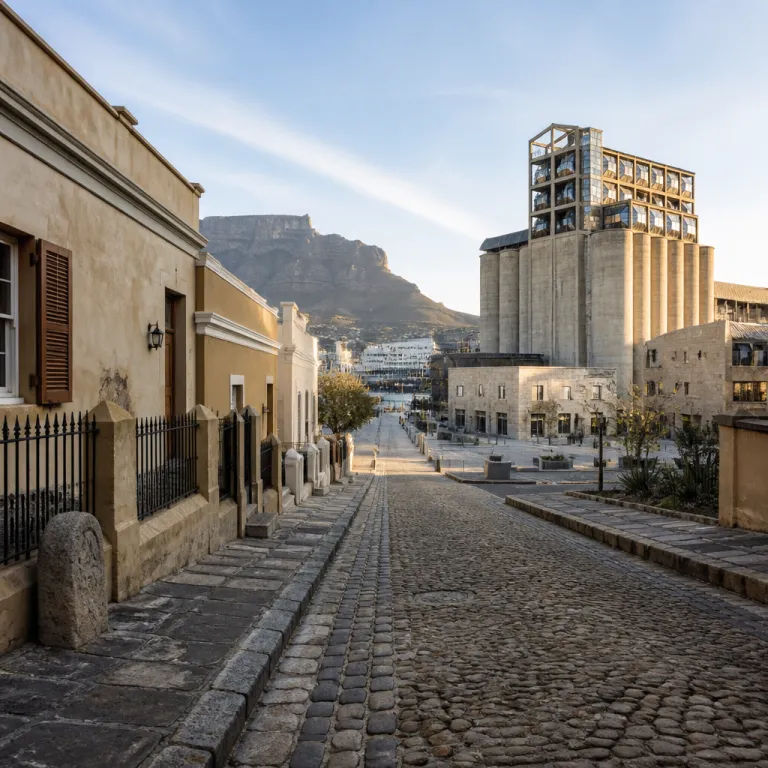
On the edge of the harbour, Zeitz MOCAA rises from a converted grain silo, anchoring the V&A Waterfront’s cultural quarter with unapologetic ambition. This museum positions itself as one of the largest African museums dedicated to contemporary art, with multiple floors of galleries and rotating exhibitions that foreground artists from across Africa and its diaspora. For guests staying in nearby Waterfront hotels such as The Silo Hotel or One&Only Cape Town, the building’s sculpted concrete atrium and expansive collections will likely be the most visible symbol of Cape Town’s contemporary culture, museums and heritage.
Zeitz MOCAA’s collections will challenge any easy reading of South African identity, moving from monumental sculpture to intimate photography in a single floor. Curators here, including Executive Director and Chief Curator Koyo Kouoh (appointed in 2019), work with international partners and local communities to build African cultural narratives that stretch far beyond safari imagery, and the museum’s public programmes often include talks, screenings and performances that reward repeat visits. Luxury properties in the precinct increasingly design a dedicated culture programme around the museum, offering early access tours, private views or even in-room briefings that help guests skip content fatigue and engage with the art on its own terms.
South of the city, in the Western Cape’s Constantia valley, Norval Foundation offers a quieter counterpoint that many executives prefer once the Waterfront crowds thin out. Set among wetlands and vineyards, this institution focuses on South African and African art in a landscape where you can move between sculpture garden and gallery in a single afternoon of measured pace. Allow around thirty minutes by road from the V&A Waterfront in normal traffic, and pair a Norval visit with a long lunch at a nearby wine estate to find a different angle on Cape Town’s museum and heritage circuit, one where collections, architecture and nature form a single, carefully edited experience.
Robben Island, iziko museums and the wider web of heritage
Robben Island is often reduced to a single cell and a single name, yet the ferry ride from the V&A Waterfront already frames a more complex story. As the boat cuts across the South Atlantic, you watch Cape Town recede into a postcard while approaching a place that held political prisoners from across South Africa and beyond, not only Nelson Mandela. Guided tours led by former inmates or trained interpreters weave together African, European and Asian histories, reminding visitors that this island sits at the intersection of global maritime routes and local resistance.
Back on the mainland, the Iziko Museums network anchors much of the city’s formal heritage infrastructure, with institutions spread across the central town and the wider Western Cape. Within walking distance of many premium hotels you will find Iziko South African Museum, the South African National Gallery and Bertram House, each holding collections that range from natural history to fine art and domestic cultural objects. These Iziko museums operate under a clear privacy policy and governance framework, and they participate in the Museums Association of South Africa to align their public programmes with national standards.
For travelers who care about Cape Town’s cultural heritage, this web of institutions offers both breadth and depth. A morning might start with African cultural artefacts at the South African Museum, continue with a focused exhibition at the National Gallery, then end with a quiet hour in Bertram House’s period rooms, where domestic life unfolded under very different social rules. Ask your concierge to build a bespoke programme that threads these museums south of the Company’s Garden together, and insist that transfers and timings respect the slower pace that meaningful heritage visits require.
How luxury hotels engage with culture, from lobbies to spa menus
Not all luxury hotels in Cape Town engage with heritage in the same way, and that difference matters if you care about more than a good pillow. Some properties treat culture as décor, scattering African masks and textiles through public spaces without any real knowledge of their origins or the communities that produced them. Others work closely with African museums, local galleries and cultural institutions to commission site-specific works, support education projects and integrate exhibitions into their guest experience.
When you evaluate a property, look beyond the art on the walls and ask how the hotel supports culture in practice. Do they partner with Iziko Museums or the District Six Museum on a long-term project, or do they simply send guests there as a tick-box excursion in a generic programme? The most thoughtful hotels in South Africa now employ cultural curators, collaborate with the Museums Association of South Africa and design public programmes that invite both guests and locals into the building for talks, performances and temporary collections. In Cape Town, examples include The Mount Nelson’s long-running art concierge service and Ellerman House’s dedicated contemporary collection, both of which demonstrate how a hotel can act as a bridge to the wider museum ecosystem.
Wellness-focused travelers should also consider how spa and relaxation spaces relate to local narratives. A property that takes African cultural stories seriously might reference indigenous botanicals, traditional healing practices or local artists in its treatment menus, rather than importing a generic international brand story. If that balance between genuine wellness and thoughtful design matters to you, this guide to cape town spa hotels where to find genuine wellness offers a useful filter before you book.
Planning a heritage focused stay: practical tips for the business leisure traveler
Designing an itinerary around Cape Town culture, museums and heritage starts with choosing the right base. Staying in the City Bowl or V&A Waterfront keeps you close to major institutions, while a Constantia or southern suburbs address places you nearer to Norval Foundation and the winelands. Wherever you stay, a good concierge will help you skip content overload by structuring visits so that each museum, gallery or heritage site has room to breathe.
Begin with one anchor experience per day, whether that is District Six Museum, Zeitz MOCAA, Robben Island or an Iziko institution in the central town. Around that, layer shorter visits to smaller African museums, independent galleries in Woodstock or Salt River street art walks that reveal how contemporary culture in South Africa continues to evolve. Many institutions run public programmes and education initiatives, so check their schedules in advance and book guided tours or talks where possible, especially if your time in Cape Town is limited by meetings.
Finally, treat your hotel as both a refuge and an extension of the city’s cultural fabric. Ask how they handle guest data in their privacy policy, but also how they support local artists, which collections will be rotated through the lobby this season and whether any years-ago projects with community partners are still active. In a city where Africa’s past and present meet so visibly, the most rewarding stays are those where you will find that your room key opens not just a door, but a deeper understanding of Cape Town’s museums, heritage sites and contemporary cultural scene.
FAQ
What is District Six Museum and why should I visit it ?
District Six Museum is a community-driven institution in central Cape Town that preserves the history of a neighbourhood destroyed by forced removals under apartheid. Visiting offers direct insight into South African urban history and the lived experience of displacement, which many luxury itineraries overlook. For travelers interested in Cape Town culture, museums and heritage, it provides essential context before exploring other museums and galleries.
How does Zeitz MOCAA differ from other african museums in Cape Town ?
Zeitz MOCAA focuses on contemporary art from Africa and its diaspora, housed in a dramatic converted grain silo at the V&A Waterfront. Unlike more traditional Iziko museums, its exhibitions often tackle current social, political and cultural themes through large-scale installations and multimedia works. This makes it particularly valuable for repeat visitors who want to understand how African cultural production is evolving now, not only years ago.
Are guided tours necessary for Robben Island and District Six Museum ?
Guided tours are strongly recommended for both sites because they provide narrative depth that static displays cannot match. On Robben Island, former prisoners or trained guides explain the broader prison system and its role in South Africa’s political history, beyond the famous Mandela cell. At District Six Museum, guides often have personal or family connections to the area, turning the visit into a living conversation about memory and heritage.
Which Cape Town areas are best for a culture focused luxury hotel stay ?
The City Bowl and V&A Waterfront work well if you want easy access to major institutions such as District Six Museum, Iziko museums and Zeitz MOCAA. Constantia and the southern suburbs suit travelers who prefer a greener setting near Norval Foundation and the winelands, with straightforward transfers into town for meetings. In all cases, choose properties that demonstrate real engagement with Cape Town culture, museums and heritage through curated art, partnerships and informed concierge teams.
How can I balance meetings with meaningful heritage experiences in Cape Town ?
Plan one substantial cultural visit per day around your business schedule, rather than trying to see multiple museums in a rushed block. Use early mornings or late afternoons for shorter gallery stops or neighbourhood walks in areas like Bo-Kaap, Woodstock or the Company’s Garden. A good hotel concierge can coordinate transfers, tickets and restaurant bookings so that Cape Town culture, museums and heritage becomes a natural part of your stay rather than an afterthought.