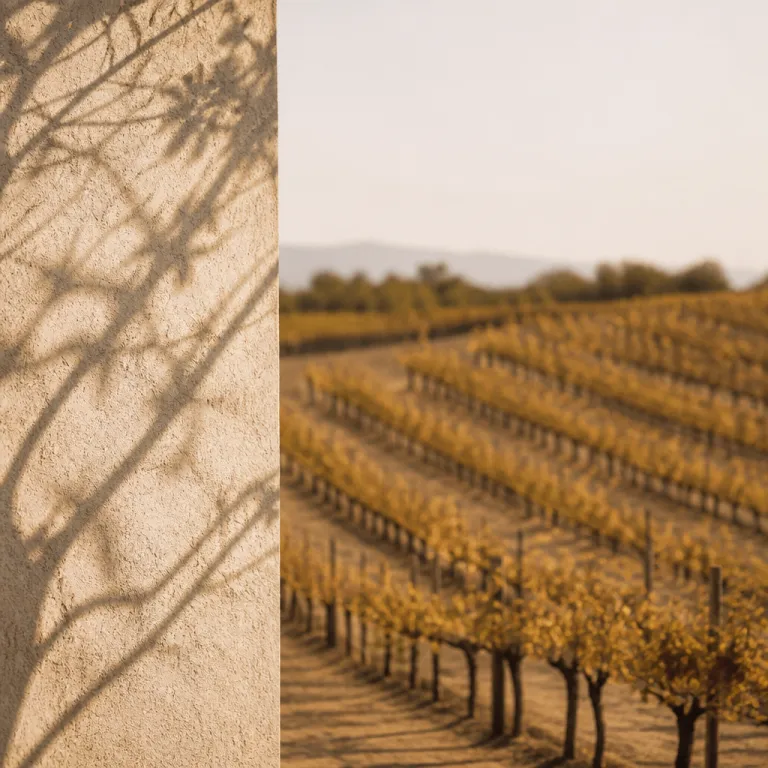
Why a winelands accommodation Cape Town vineyard stay changes everything
Staying in the vines turns a quick tasting into a winelands accommodation Cape Town vineyard stay that feels quietly immersive. When the last day visitor leaves and the cellar doors close, guests who remain on the estate step into a different rhythm where the only traffic is farm vehicles and the soundtrack is irrigation, birds and the soft clink of glassware from the manor house terrace. By choosing hotels where the vineyard is the hotel, you trade a rushed itinerary for slow mornings, long shadows over the rows and a sense that wine is not an activity but a landscape.
At its best, a winelands accommodation Cape Town vineyard stay means you wake to mist lifting off the vines, walk less than 200 metres from your rooms to the first block of chenin blanc and speak to a viticulturist before breakfast rather than a sommelier after lunch. Many estates in the cape winelands now integrate accommodations directly into working farms, so a guest might watch pruning from the swimming pool deck, then taste that same parcel in the glass during an evening wine tasting. This is wine country in south Africa experienced as a residence rather than a pit stop, and it suits couples who prefer depth over box ticking.
Vineyard hotels worldwide have leaned into this model for years, and the trend has reached the winelands south of cape town with conviction. Industry data notes that “Number of vineyard hotels worldwide” has reached 259 hotels, a figure that reflects how travellers increasingly want the estate itself to be the destination rather than a backdrop. In south Africa that translates into hotel offers where a hotel spa, cellar tour, outdoor swimming options and guided walks through the vines sit on the same itinerary, giving each guest a layered sense of place that lingers long after the last glass of wine.
Constantia and the cape winelands closest to the city
Constantia is where a winelands accommodation Cape Town vineyard stay begins without ever really leaving the city. Ten to twenty minutes from the Atlantic, heritage estates stretch up the lower slopes behind table mountain, and some now offer rooms inside restored manor house buildings that feel more country house than city hotel. You wake with views of vineyards rather than highways, yet you are close enough to the hotels Cape Town coastline that a late afternoon drive to Camps Bay still makes sense.
This valley is the cradle of wine in south Africa, and insiders quietly chase the chenin blanc and semillon grown on some of the oldest vines in the southern hemisphere. When you stay on a Constantia estate, you can walk from your residence to the cellar before the tasting room opens, speak to the winemaker about the vintage and then sit down to a hotel spa treatment while the rest of the city is still commuting. For couples, that combination of heritage, wine and wellness feels wonderfully self contained, especially when the swimming pool is framed by oaks and the cape winelands mountains.
Use Constantia as a soft landing before heading deeper into the winelands south, or as a final two night pause after a coastal road trip. A typical structure for many guests is three nights in central cape town, two nights in Constantia and then two nights further inland in Stellenbosch or franschhoek, which turns a simple tasting excursion into a layered itinerary. If you are considering more time in Stellenbosch itself, our guide to refined Stellenbosch hotels in the heart of the winelands offers a detailed look at properties where architecture, terroir and service align.
Franschhoek, Stellenbosch and the hidden corners of the winelands south
Franschhoek is where a winelands accommodation Cape Town vineyard stay becomes unapologetically indulgent. The valley is compact, ringed by mountains and stitched together by the Franschhoek Wine Tram, so guests can move between estates without driving, tasting their way from one country house to another while leaving the car keys in their rooms. Every second door in the village seems to be a restaurant, and the best hotels here lean into gastronomy with wine pairing menus that stretch late into the night.
Names like Mont Rochelle and Leeu House have turned franschhoek into shorthand for intimate luxury, yet the real charm lies in how close everything feels. You might spend the morning at a graff estate property such as Delaire Graff, where sculpture gardens, a serious art collection and a hotel spa sit above the vineyards with views that sweep across the cape winelands, then return to a smaller residence in the village for a quieter evening. Couples who care about food will find that a two night stay barely scratches the surface, especially when you add long lunches, wine tasting flights and slow walks back to your hotel under a sky full of stars.
Stellenbosch offers a different energy, with a university town core and estates that range from contemporary design led hotels to whitewashed manor house conversions. Here, a winelands accommodation Cape Town vineyard stay might mean sleeping in a converted farm building, playing a round on a nearby golf course in the morning and then cooling off in an outdoor swimming pool that looks straight onto the vines. For travellers interested in the broader social fabric of south Africa, pairing a winelands stay with a community led township route such as those highlighted in our feature on who benefits when tourists visit Khayelitsha adds context and depth to the beauty of the country.
From Robertson to the wider cape: where the vineyard is your residence
Push beyond the classic triangle of Constantia, Stellenbosch and franschhoek, and a different kind of winelands accommodation Cape Town vineyard stay opens up. The Robertson valley, further east along the Breede River, feels more agricultural and less polished, with working farms that have quietly added a handful of rooms or a small country house wing to existing homesteads. Here, guests often share breakfast spaces with farm workers, watch tractors move between blocks and gain a sense of wine as agriculture rather than only as a luxury product.
In these quieter pockets of the cape winelands, the best hotels are often those that do not call themselves hotels at all. A restored manor house might offer just four accommodations, each room opening onto a deep stoep that faces the vineyards, with a simple swimming pool set among roses and fruit trees instead of a sculpted spa complex. Couples who value privacy over polish will find that these residences deliver a wonderful balance of comfort, authenticity and price, especially outside peak season when hotel offers can be generous.
Across south Africa, from the cape to the highlands, wine estates are learning from international pioneers such as Allegretto Vineyard Resort in California, Gervasi Vineyard Resort & Spa in Ohio and The Vineyard Hotel in Berkshire, all of which integrate accommodations directly into working vineyards. The same principles now shape many hotels cape side of table mountain, where a guest might move from a tasting room to a hotel spa without ever leaving the estate boundaries. This blend of hospitality and viticulture reflects a global rise in wine tourism, where “Rise in wine tourism” and “Integration of luxury amenities” are not marketing slogans but structural shifts in how travellers choose their residence.
Planning your vineyard stay: seasons, prices and how long to linger
Planning a winelands accommodation Cape Town vineyard stay starts with timing, because the same room can feel very different in February heat or June drizzle. High summer brings long evenings, busy swimming pool decks and a festive energy, while shoulder seasons offer softer light, easier restaurant bookings and hotel offers that make even the best hotels feel more accessible. Winter has its own charm, with fireplaces in the manor house, moody views of table mountain and wine tasting sessions that stretch lazily into the afternoon.
As a rule of thumb, couples should budget at least two nights on a single estate if they want the vineyard to feel like their residence rather than a backdrop. One night allows for a single dinner and a rushed breakfast, but two or three nights open space for spa treatments, walks through the vines, perhaps a round on a nearby golf course and time simply to sit on the terrace with a glass of wine. When you factor in travel from central cape town, that extra night often makes the difference between a pleasant stopover and a stay that reshapes how you think about wine country in south Africa.
Availability is tightening as wine tourism grows, a trend highlighted at global trade gatherings such as WTM Africa where “Rise in wine tourism” and “Integration of luxury amenities” are recurring themes. The practical implication is simple ; book your rooms early, especially for December to February and for weekends during harvest when many estates host special events. Between stays, weave in contrasting experiences in the city, from coastal drives to heritage walks in Bo Kaap, using guides such as our piece on walking Cape Malay heritage beyond the colourful façades to balance vineyard calm with urban texture.
FAQ
What is a vineyard hotel and how is it different from a city hotel ?
A vineyard hotel is a hotel located within a working vineyard that offers wine related activities such as tastings, cellar tours and walks through the vines. Unlike city hotels, these properties usually sit on large estates in the cape winelands or other rural parts of south Africa, so guests are surrounded by agriculture rather than streets. The experience feels more like staying on a country house residence where wine, landscape and hospitality are tightly woven together.
Are vineyard hotels in the cape winelands always expensive ?
Prices for a winelands accommodation Cape Town vineyard stay vary widely, from ultra premium estates with extensive spa facilities to modest farm stays with just a few rooms. Franschhoek and Constantia tend to command higher rates, especially at properties such as Delaire Graff or Mont Rochelle, while areas like Robertson often offer more accessible accommodations. Booking outside peak summer and watching for hotel offers can make even some of the best hotels in the region surprisingly good value.
Do vineyard hotels usually include wine tasting in the room rate ?
Many hotels in the cape winelands include at least one standard wine tasting for each guest, particularly when the hotel and the estate share ownership. Premium or reserve tastings, cellar tours and food pairings are often charged separately, especially at high profile properties such as graff estate addresses. It is worth checking inclusions carefully when you book, as some hotels cape side of table mountain bundle tastings, spa credits and even golf course access into seasonal packages.
How many vineyard hotels exist worldwide and what does that mean for travellers ?
Recent industry data notes that the “Number of vineyard hotels worldwide” stands at 259 hotels, reflecting a significant global appetite for stays where the vineyard is central to the experience. For travellers planning a winelands accommodation Cape Town vineyard stay, this means local estates are competing on service, design and authenticity rather than simply on the fact that they produce wine. Guests benefit from more thoughtful accommodations, better integrated hotel spa facilities and a wider range of styles, from intimate manor house residences to larger resorts with extensive outdoor swimming options.
How long should I stay in the winelands when visiting cape town and south Africa ?
For most couples, two to three nights in the cape winelands strikes a good balance within a broader cape town and south Africa itinerary. That allows time for at least one full day without driving, when you can move between wine tasting, the swimming pool, spa treatments and unhurried meals without watching the clock. If you are combining multiple regions such as Constantia, franschhoek and Robertson, consider four or five nights split between two estates so each residence feels like a temporary house rather than a brief stop.