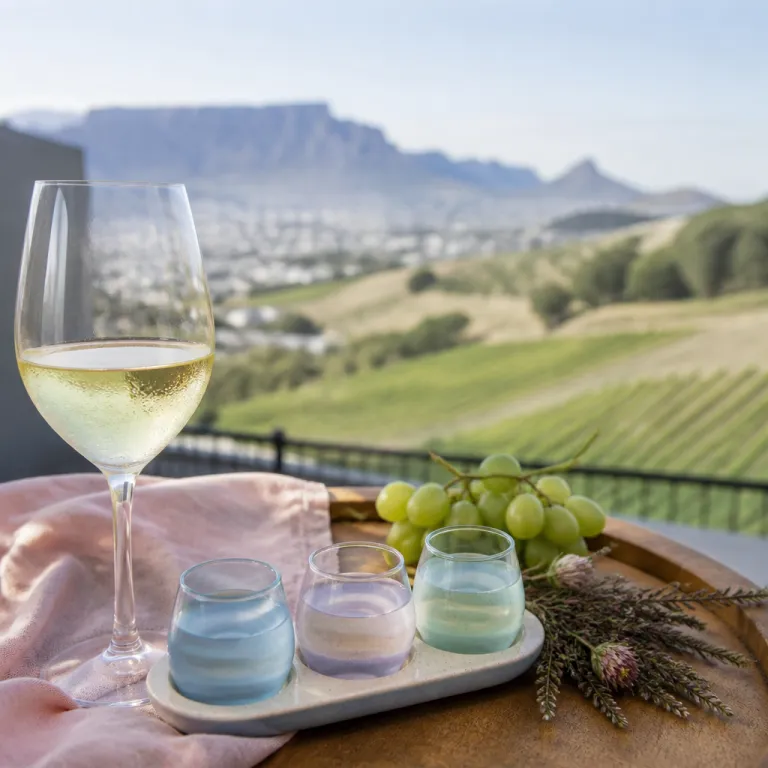
How to use this Cape Town wine route hotel guide
This Cape Town wine route hotel guide starts with a simple idea. Your choice of hotel in Cape Town should follow the glass of wine you want in your hand, not the other way around. Think of the city and the surrounding Cape Winelands as one connected landscape where mountain, ocean, valley and vineyard shape every stay.
Families planning a trip to South Africa often search for hotels in Cape Town first, then try to bolt on a day of wine tasting somewhere along a famous wine route. A better strategy is to decide whether Constantia, Stellenbosch, Franschhoek or the Swartland suits your style, then use this guide to find hotels and winelands accommodation that place you close to the right wine farms. That way, you wake up with a wine estate on your doorstep instead of facing a long transfer with tired children in the back seat.
Across the Western Cape, the distances are manageable but the experiences are very different. Constantia’s wine farms sit just 20 minutes from the city bowl, while Stellenbosch wine estates lie about 45 minutes inland and Franschhoek’s valley is another 20 minutes beyond that. The wilder wine routes of the Swartland stretch north, where African wine producers experiment with minimal intervention styles that feel a world away from polished Cape Dutch estates near Cape Town.
For this guide, think of Cape Town as your base camp for South African wine. The central hotels Cape travelers love around the V&A Waterfront and the Atlantic Seaboard work beautifully if you want a city break with one or two curated wine tasting days. If you prefer to fall asleep on a working wine farm, you will find more immersive wine estates and wine farm stays in the Cape Winelands themselves, especially around Stellenbosch and Franschhoek.
Each section below pairs a neighborhood or valley with specific hotel types and nearby wine farms, always with families in mind. You will see how to match a waterfront hotel to Constantia’s cool climate wines, or a mountain facing estate to Franschhoek’s chef driven farms and Cap Classique sparkling wines. The aim is simple ; use this Cape Town wine route hotel guide to align your bed, your glass and your view.
Constantia and the V&A Waterfront: city stays with vineyard privileges
If you want to stay in Cape Town itself yet feel stitched into the Cape Winelands, pair a V&A Waterfront hotel with the Constantia wine route. Constantia sits on the back slopes of Table Mountain, just 20 minutes from the city, and its wine farms are among the oldest in South Africa and the wider southern hemisphere. The result is a rare combination ; you can breakfast overlooking the harbor, then be swirling sauvignon blanc under ancient oaks before the children finish their first nap.
Constantia’s valley is cool, green and quietly grand, with Cape Dutch homesteads anchoring wine estate after wine estate. Klein Constantia, ranked among the World’s 50 Best Vineyards and named Best Vineyard in Africa, is the headline act for many travelers who care about African wine and heritage. Families appreciate that many Constantia wine farms offer lawns, picnics and short walking trails, making wine tasting feel like a relaxed day out rather than a formal appointment.
In the city, look for hotels Cape Town offers around the Waterfront that understand this rhythm between harbor and vineyard. Properties such as Cape Royale Luxury Suites, profiled in this detailed review of luxury hotel stays at Cape Royale, give you apartment style space with hotel level service, which works well for premium families. From here, you can arrange private transfers to Constantia wine estates, or even a half day loop that includes a wine farm visit, a short mountain walk and a late lunch back on the Waterfront.
Constantia is also the most convenient option if your South African itinerary includes a safari before or after Cape Town. You can fly in from a game reserve, check into your hotel in town, then use the Constantia wine route as a gentle re entry into city life, with familiar wines and calm scenery. For many families, this balance between urban comfort, easy logistics and serious wines makes Constantia the smartest first step into the Cape Winelands.
When you read generic lists of hotels Cape visitors should book, they rarely explain this Constantia pairing clearly. Yet for a premium family who wants culture, harbor views and quick access to wine tasting, the combination of a V&A Waterfront hotel and the Constantia valley is hard to beat. It is the closest you will come to having a wine estate as an extension of your city hotel in Cape Town.
Stellenbosch: sleep in the heart of South Africa’s wine classroom
Stellenbosch is where South African wine goes to university. The town is home to the country’s leading oenology faculty, and the surrounding Cape Winelands form a living classroom of wine farms, mountain slopes and experimental vineyards. If you want your Cape Town wine route hotel guide to lead you to the intellectual heart of wine, this is where you book at least two nights.
The drive from Cape Town to Stellenbosch takes around 45 minutes, yet the shift in atmosphere is immediate. You leave the Atlantic breeze behind and enter a valley of oak lined streets, historic Cape Dutch architecture and a dense constellation of wine estates. Names like Tokara and Delaire Graff, both ranked among the world’s top vineyards, sit on the Helshoogte Pass with views that sweep across farms, town and mountain ranges.
For families, the key is to choose winelands accommodation that balances immersion with practicality. Many Stellenbosch wine estates offer guest rooms or villas on the property, so you can walk from breakfast straight into a cellar for a morning wine tasting while children explore the gardens. Other travelers prefer to stay in town, using a central hotel as a base to find different wine routes each day, from the Polkadraai Hills to the Bottelary wine farms.
Stellenbosch is also where you feel the full range of Cape wine styles in one compact area. Classic cabernet and structured red wines share the map with lighter, more experimental African wine labels, often made from old vine chenin blanc or cinsault. This diversity makes it easy to tailor a day ; one wine farm with a playground and casual restaurant for lunch, followed by a quieter wine estate with serious tastings while teenagers join a vineyard walk.
To plan your stay, pair this Cape Town wine route hotel guide with a suburb by suburb overview of the city, such as this guide to where to stay in Cape Town. Many premium families split their time between a hotel in town and a few nights on a Stellenbosch wine farm, using transfers rather than self driving. That way, everyone can enjoy wine tasting without worrying about the route back to Cape Town after sunset.
Franschhoek: pairing chef driven estates with quiet valley hotels
Franschhoek sits at the far end of a narrow valley, framed by steep mountain walls and stitched with vines. The town’s French heritage runs through everything, from street names to the style of many wine estates, and the focus here is as much on food as on wine. If your idea of the perfect Cape wine weekend involves long lunches, Cap Classique sparkling wines and art filled tasting rooms, Franschhoek is your natural match.
The Franschhoek wine route is compact yet dense, which makes it ideal for families who prefer not to drive between multiple wine farms. The famous wine tram loops through the valley, allowing you to hop between wine estates without worrying about the route or parking, while children enjoy the novelty of open air carriages. Many farms offer lawns, sculpture gardens or short walks, so a day of wine tasting feels like a gentle exploration of the valley rather than a rigid schedule.
When it comes to winelands accommodation, Franschhoek offers a spectrum from intimate guesthouses in town to larger hotels on working farms. Staying in the village gives you easy access to restaurants and cafés, while a room on a wine farm places you closer to sunrise walks through the vines and quieter evenings under the stars. Either way, you remain within a short drive or tram ride of most wine estates, which keeps logistics simple for families with younger children.
Franschhoek also works beautifully as a second stop after a few nights in Cape Town or Stellenbosch. You can arrive via a scenic mountain pass, check into your hotel, then spend the next day moving slowly between wine farms that pair tasting flights with serious food. For many premium travelers, this valley is where the idea of a South African wine holiday finally clicks into place, with Cape Dutch architecture, award winning wines and mountain views aligning in one compact town.
Use this Cape Town wine route hotel guide to decide how many nights to allocate here versus Stellenbosch or Constantia. If food is a priority and you enjoy walking between cafés, galleries and tasting rooms, Franschhoek deserves at least two nights. Families who prefer more space and a wider choice of activities might base themselves in Stellenbosch, then visit this valley for a focused day of wine tasting and lunch.
Swartland and the wild edge of the Cape Winelands
North of Cape Town, beyond the more manicured valleys, the Swartland offers a different face of the Western Cape. This is where a new generation of South African winemakers has turned wheat fields and old bush vines into some of the most talked about wines in Africa. If you are using this Cape Town wine route hotel guide to push beyond the obvious, the Swartland should be on your radar.
The landscape feels bigger here, with rolling hills, open skies and fewer formal wine estates than in Stellenbosch or Franschhoek. Many wine farms are working properties first and hospitality venues second, which means tasting rooms can be simple but the wines in your glass are often extraordinary. Families who enjoy a more relaxed, farm based rhythm will find space for children to roam, while adults explore African wine styles that lean toward minimal intervention and site expression.
Accommodation in the Swartland is more scattered, so planning matters. You will find guesthouses in towns like Riebeek Kasteel, as well as cottages on individual wine farms that double as small hotels in everything but name. Staying on a wine estate here means you can walk straight into the vineyards at sunrise, then drive a short route to neighboring farms for tastings, farm lunches and informal cellar tours.
Because the Swartland sits further from Cape Town than Constantia or Stellenbosch, it works best as a dedicated overnight or two night stay. Many premium families pair a few nights in a central Cape Town hotel with a Swartland escape, using the contrast between harbor life and rural quiet as part of the experience. The region does not offer safari style game viewing, but the sense of space and the raw, open landscape often scratch a similar itch for children who love being outdoors.
For wine focused travelers, the Swartland is where the idea of Cape wine expands beyond polished tasting rooms. You taste wines that speak of granite soils and dry farmed vines, often poured by the people who made them, in settings that feel more like a friend’s farm than a formal wine estate. This is the wild card in any Cape Town wine route hotel guide, and it rewards those willing to trade convenience for character.
Designing your split stay: city, vineyard and family rhythm
Once you understand how each valley feels, the real work of this Cape Town wine route hotel guide begins. You need to design a split stay that respects your family’s rhythm, your appetite for wine tasting and the practicalities of moving between Cape Town and the Cape Winelands. The goal is to minimize time in transit while maximizing time with a glass in hand and children happily occupied.
A common pattern for premium families is three nights in Cape Town, two in Stellenbosch and two in Franschhoek, with a possible extra night in the Swartland for those who want a deeper dive into African wine. In the city, choose hotels Cape Town offers near the Waterfront or in the city bowl, then use curated experiences such as the Saturday morning food market ritual to anchor your non wine days. From there, you can take day trips to Constantia or even a quick loop through a nearby wine farm before sunset.
When you move into the Cape Winelands, think in clusters rather than individual wine estates. In Stellenbosch, for example, you might base yourself on a wine farm along the Helshoogte route, then spend one day exploring neighboring wine estates and another day in town. In Franschhoek, staying within walking distance of the tram stop allows you to reach multiple wine farms without ever needing to drive, which keeps things simple for families.
Transport is a key part of this planning. Private drivers or transfer services cost more than self driving, but they allow everyone to enjoy wine tasting without worrying about the route back to the hotel, especially after a long lunch on a wine estate. For many premium travelers, the extra cost is offset by the peace of mind and the ability to focus on the wines, the food and the mountain views rather than the road.
Finally, remember that Cape Town and the Cape Winelands are not a safari add on ; they are destinations in their own right. Use this Cape Town wine route hotel guide to decide where you want to wake up, not just where you want to taste, and let the choice of valley shape the rest of your South African itinerary. When your hotel, your chosen wine farms and your family’s pace align, the entire Western Cape feels like one seamless, generous estate.
Key figures for Cape Town and the Cape Winelands
- The drive from central Cape Town to Constantia’s wine farms takes around 20 minutes in normal traffic, while Stellenbosch is roughly 45 minutes away and Franschhoek about 65 minutes, which makes all three realistic options for day trips or short overnights for families.
- The Western Cape accounts for the vast majority of South Africa’s wine production, with industry bodies such as Wines of South Africa estimating that more than 90 percent of the country’s vineyards are located in this province.
- Multiple Cape wine estates feature in global rankings of top vineyards, with properties such as Klein Constantia, Tokara, Delaire Graff, La Motte and Hamilton Russell regularly appearing in lists of the world’s leading wine destinations.
- Travel planners often recommend at least two nights in the Cape Winelands for every three to four nights in Cape Town, giving visitors enough time to experience both city and vineyard life without rushing between hotels and wine routes.
- Family focused surveys of international travelers show that access to food markets, outdoor activities and short driving distances are among the top factors when choosing winelands accommodation near Cape Town.
FAQ about Cape Town wine routes and hotels
How many nights should I spend in the Cape Winelands versus Cape Town ?
For a first visit, plan roughly three to four nights in Cape Town and two to three nights in the Cape Winelands. That balance gives you time for city highlights, a food market morning and at least two full days of wine tasting without rushing. Families with younger children often prefer shorter stays in each valley, using day trips from Cape Town for extra flexibility.
Is it realistic to visit Constantia, Stellenbosch and Franschhoek in one trip ?
Yes, it is realistic if you have at least five or six nights in the region. Constantia works well as a half day or day trip from Cape Town, while Stellenbosch and Franschhoek are better suited to one or two night stays each. The key is to cluster visits so you are not driving back and forth across the Western Cape every day.
Do I need a car to explore the Cape Winelands with my family ?
You do not strictly need a car, but having one increases flexibility, especially with children. Many travelers choose private drivers for dedicated wine tasting days, then use taxis or rideshare services for shorter hops around town. In Franschhoek, the wine tram reduces the need for driving between wine farms, which can be helpful for families.
Which area is best if I want to focus on red wines ?
Stellenbosch is generally the best base if you care most about structured red wines such as cabernet sauvignon and blends. The surrounding wine estates offer a wide range of cellar experiences, from formal tastings to relaxed farm lunches. You can still find excellent reds in Constantia, Franschhoek and the Swartland, but Stellenbosch remains the most concentrated hub.
Can I combine a safari with a Cape Town and wine route holiday ?
Many visitors combine a safari in another part of South Africa with time in Cape Town and the Cape Winelands. The usual pattern is to fly into or out of Cape Town International Airport, spend several nights in the city, then add a few nights in Stellenbosch or Franschhoek before or after the safari. This sequence keeps travel days manageable and allows you to end the trip with slower vineyard time if you prefer.