House on Kloof as your refined base in cape town city center
House on Kloof places you directly on lively Kloof Street in the heart of Cape Town, South Africa. This elegant street house sits between Table Mountain and the Atlantic, combining city energy with layered mountain views. The result is a city center stay that feels both urban and quietly residential, ideal for travelers who want to walk rather than commute.
The house occupies a carefully restored century Victorian structure dating from the early 1900s, giving the property a sense of heritage without feeling museum like. From the outside, the Victorian house profile blends into the historic town south slopes, while the interior reveals a contemporary design language. Guests who value character appreciate how the project respects original features yet introduces modern comfort in every room.
Staying at House on Kloof means walking distance access to Cape Town’s main cultural and dining arteries. You step out onto vibrant Kloof Street, then reach the Company’s Garden, the city bowl, and the V&A Waterfront within a short drive of less than 10 minutes. For travelers comparing city center stays, this house on Kloof Street offers a rare balance between neighborhood calm and cosmopolitan buzz.
The property currently offers 9 guest rooms across three floors, each planned as a distinct project with different room profiles tailored to varied travel styles. Some rooms face the street with animated city views, while others look toward the garden and the slopes above town. This flexibility allows couples, solo travelers, and small groups to select the experience that best matches their Cape Town plans.
The interior design approach favors tactile materials, layered textures, and a restrained color palette. Timber floors, high ceilings, and original Victorian house details are paired with contemporary furniture and curated art projects from local creators. Every room includes thoughtful touches such as quality linens, generous storage, and well placed lighting that flatters both the space and the guest.
Behind the scenes, a dedicated team coordinates reservations, guest contact, and on the ground assistance. Their profile combines hospitality training with deep local knowledge of Cape Town and the wider South Africa region. As the manager often notes, “We want the house to feel like a friend’s place in town, not a formal hotel.” This human centered approach ensures that the house on Kloof feels like a personalized base rather than an anonymous city hotel.
Architecture, interior design, and the character of a century victorian street house
The architectural story of House on Kloof begins with its century Victorian shell. This street house was originally built when Cape Town’s town south slopes were expanding, and its proportions still reflect that gracious era. High windows, generous doors, and a slightly elevated position give many rooms layered views over the city and toward the mountain.
Inside, the interior design project respects the Victorian house bones while editing out excess ornament. Original fireplaces, cornices, and timber joinery remain, but they are framed by clean lines and contemporary furniture. The result is a calm, light filled interior where each room feels both historic and current at the same time.
Public spaces such as the main dining room and lounge have been arranged to encourage slow, social moments. In the dining room, guests linger over breakfast while watching Kloof Street wake up, then plan their day in Cape Town with maps and digital guides. Soft seating, layered lighting, and considered acoustics keep the house feeling intimate even when several profiles of traveler share the space.
Throughout the house, design projects highlight local craftsmanship from Cape Town and broader South Africa. You might notice ceramics from small studios, textiles woven in town, or photography that captures the vibrant Kloof neighborhood. These details turn the interior into a subtle gallery, connecting guests with the creative energy of the city beyond the street.
For travelers researching luxury hotels in Cape Town’s center, House on Kloof often appears alongside larger properties. A useful overview of refined city stays can be found in this guide to luxury hotels in Cape Town city center. Within that context, this house on Kloof Street stands out for its scale, its Victorian house character, and its focus on design led comfort.
The garden at the rear of the house softens the urban setting and adds another layer to the experience. Mature planting, shaded seating, and glimpses of Table Mountain create a pocket of calm just steps from vibrant Kloof Street. Guests often use this garden as a quiet reading corner, a remote working spot, or a place to pause between city projects.
Architecturally, the link between interior and garden is handled through large doors and generous glazing. This design choice allows natural light to reach deep into the house, while visually extending the dining room and lounge into the greenery. It also reinforces the feeling that House on Kloof is not only a place to sleep, but a thoughtfully composed Cape Town home in the city center.
Rooms, views, and how to choose the right profile for your stay
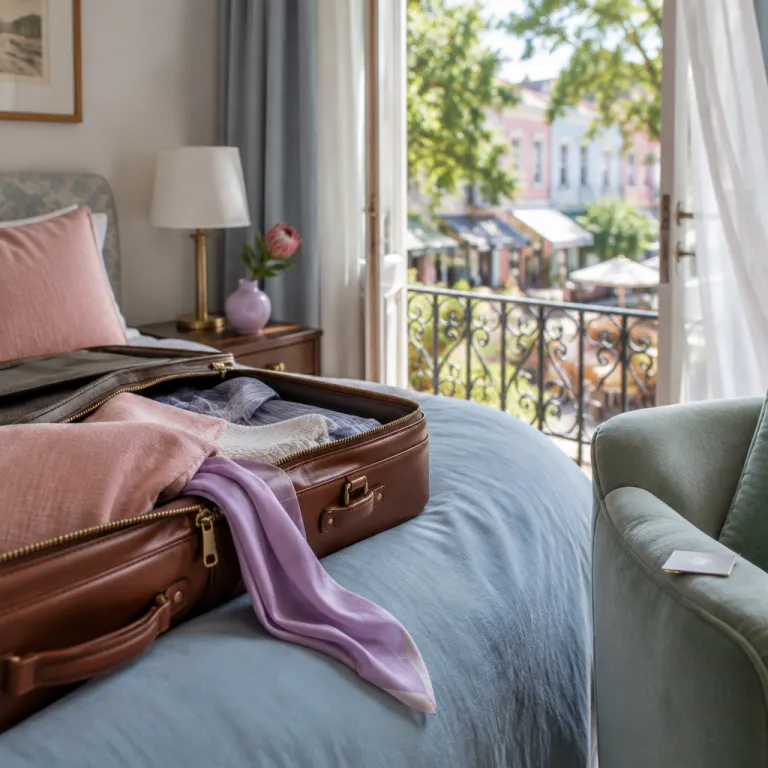
Room selection at House on Kloof can significantly shape your Cape Town experience. Some rooms face Kloof Street, offering animated views of cafés, trees, and the town south skyline. Others orient toward the garden or side street, creating quieter perspectives that suit light sleepers or longer stays.
Street facing rooms appeal to travelers who enjoy observing the rhythm of a vibrant Kloof neighborhood. From these windows, you watch locals commute, guests stroll to dining spots, and the light shift across the mountain above town. At night, the soft glow from nearby venues adds atmosphere without overwhelming the calm interior of the house.
Garden facing rooms, by contrast, frame greenery and partial mountain views. These rooms often feel more secluded, with the sound of leaves and distant city life rather than direct street noise. Guests who plan to work remotely from Cape Town often prefer this profile, as the garden and interior desk spaces create a focused environment.
Each room is equipped with high quality bedding, efficient climate control, and well considered storage. The interior design emphasizes comfort through layered textiles, blackout curtains, and adjustable lighting that supports both reading and rest. Bathrooms continue the design project with modern fittings, generous showers, and amenities that reflect South Africa’s contemporary hospitality standards.
When booking, it helps to contact the team with a clear outline of your priorities. Explain whether you value views, absolute quiet, proximity to the main dining room, or easy access to the garden. The team can then suggest specific room options within the house on Kloof that align with your profile and travel project.
Travelers deciding where to base themselves in Cape Town’s city bowl often compare beach areas with downtown. A detailed argument for staying central is presented in this analysis of why the city bowl can be a better base than the beach. From that perspective, House on Kloof offers a strategic position, with quick access to both the Atlantic coast and the cultural core of town.
For longer visits, some guests treat the house as a Cape Town project base, using it between excursions to the Winelands or the Cape Peninsula. The consistent comfort of the rooms, the reliable Wi Fi, and the attentive team make it easy to unpack fully and settle. This stability often turns a short city break into a deeper, more layered experience of South Africa’s most visited town.
Dining room rituals, local food culture, and Kloof Street gastronomy
Food plays a central role in the House on Kloof experience, starting each morning in the main dining room. Breakfast is served at communal and smaller tables, allowing both privacy and gentle conversation between guests. Large windows frame Kloof Street, so the first coffee of the day comes with views of Cape Town waking up.
The dining room design favors natural light, comfortable seating, and a layout that encourages unhurried meals. Neutral tones, timber tables, and subtle art projects create a calm backdrop for colorful South Africa produce. You might find seasonal fruit, local cheeses, and freshly baked items that reflect the town’s diverse culinary influences.
While House on Kloof focuses on breakfast and light bites, its location on vibrant Kloof Street unlocks a wide range of dining options. Within a short walk of the house, guests can access casual cafés, refined bistros, and destination restaurants. This proximity allows you to treat the street as an extended dining room, returning to the house between courses or after late night drinks.
The team maintains up to date guides to Kloof Street and the wider Cape Town food scene. They can suggest a relaxed street house eatery one night, then secure a reservation at a fine dining project the next. Because they live in town south and experience these venues regularly, their recommendations tend to match guest profiles accurately.
For travelers researching where to find consistently good hotels and restaurants in the city, a useful resource is this curated overview of where to find refined hotels in Cape Town. House on Kloof fits naturally into that narrative, pairing a characterful Victorian house with easy access to some of the city’s most interesting dining projects. Guests often comment that they can spend several nights exploring only Kloof Street venues without repeating an experience.
Inside the house, small touches reinforce the connection to local food culture. You might notice South Africa wines on a curated list, or snacks sourced from Cape Town artisans in the lounge. These details, while discreet, help link the interior environment to the broader gastronomic landscape of town.
Because the dining room remains open as a flexible space during the day, guests also use it as a co working or planning area. Maps, digital guides, and personal devices share table space with coffee cups and notebooks. In this way, the dining room becomes both a social hub and a practical project space for organizing your Cape Town stay.
Service, local guides, and how the team shapes your cape town project
Service at House on Kloof is intentionally personal, with a compact team that quickly learns guest preferences. From the first contact during booking, they gather details about your travel profile and expectations. This information then guides room allocation, restaurant suggestions, and tailored itineraries in Cape Town and beyond.
The team’s strength lies in their lived experience of Cape Town, particularly the town south and city bowl districts. They know which Kloof Street cafés open early, which galleries host evening events, and how traffic patterns shift between the mountain and the Atlantic. Guests benefit from this granular knowledge, saving time and avoiding common first time visitor missteps.
Local guides play a complementary role, especially for guests planning more ambitious projects such as Cape Peninsula drives or Winelands tastings. The house maintains a trusted network of independent guides who specialize in history, food, hiking, or design. When the team connects you with one of these profiles, they brief them on your interests so the experience feels curated rather than generic.
Within the house, service touches remain discreet but consistent. Rooms are refreshed with attention to detail, public areas stay immaculate, and the garden is maintained as a tranquil retreat. Staff move quietly through the interior and exterior spaces, ensuring that the Victorian house feels cared for without feeling formal.
For digital planning, the team can share a link to custom maps, restaurant lists, and activity suggestions. These guides often group experiences by neighborhood, allowing you to structure days around Kloof Street, the V&A Waterfront, or the Atlantic seaboard. This approach turns your stay at House on Kloof into a coherent Cape Town project rather than a series of disconnected outings.
Because the house operates within South Africa’s competitive hospitality landscape, service standards align with those of larger luxury properties. Yet the smaller scale means the team can adapt quickly to special requests, from early check in to last minute transfers. Guests frequently comment that this blend of professionalism and informality is what makes the house on Kloof feel like a temporary home in town.
For travelers who value human connection as much as design and location, this service philosophy is decisive. The team does more than manage bookings; they act as partners in shaping your Cape Town narrative. Over several days, that partnership often becomes the most memorable part of the entire stay.
Practical booking advice for a luxury city center stay on Kloof Street
Planning a stay at House on Kloof begins with choosing your travel season and trip length. Cape Town’s Mediterranean climate means warm, dry summers and cooler, wetter winters, each offering different views and experiences. Short city breaks of three nights work, but many guests extend to five or more nights to explore both town and surrounding regions.
When booking, consider how you want to use the house in relation to your broader South Africa itinerary. Some travelers treat it as a first stop before safari, using the city to adjust to time zones and climate. Others end their journey here, enjoying Kloof Street dining and Cape Town culture after more remote projects in the bush or along the Garden Route.
Direct contact with the property often yields the most accurate information on room availability and current offers. By sharing your profile, preferred views, and any special requirements, you allow the team to suggest the most suitable room category. This conversation can also clarify practical details such as airport transfers, parking, and early or late arrivals.
Travelers who prioritize design and architecture should request rooms that highlight the Victorian house features. These might include higher ceilings, original windows, or closer proximity to the main staircase and period details. Guests who value quiet above all else may prefer rooms deeper within the interior or facing the garden rather than the street.
Because House on Kloof sits in the city center, you can often rely on walking, ride hailing, and occasional taxis instead of a rental car. The location on Kloof Street places you within a few hundred meters of numerous cafés, shops, and small galleries. For longer excursions beyond town, the team can arrange transfers or connect you with trusted drivers and guides.
From a budgeting perspective, staying in Cape Town’s city bowl can offer better value than some coastal areas. You gain quick access to both cultural sites and the Atlantic seaboard without paying beachfront premiums. This balance makes the house on Kloof an efficient base for travelers who want luxury touches while still allocating funds to experiences such as wine tastings or private tours.
Finally, remember that availability at characterful properties in town south can tighten during peak travel periods. Booking several months ahead, especially for rooms with specific views or design features, increases your options. A considered approach to timing, contact, and room selection will help you extract the full potential of this Kloof Street house during your Cape Town stay.
Key figures and trends for luxury city center stays in cape town
- Cape Town International Airport handled more than 10 million passengers in the most recent pre pandemic year, according to Airports Company South Africa (2019 annual report), underscoring the city’s role as a main gateway for luxury travel in South Africa.
- Data from Cape Town Tourism (2023 visitor trends report) indicates that the city bowl and adjacent town south neighborhoods account for a significant share of high end hotel bookings, reflecting growing demand for central locations like Kloof Street over purely coastal stays.
- Research by South African Tourism (2022 international arrivals survey) shows that international visitors to Cape Town typically stay between 4 and 7 nights in the city, a duration that aligns well with using a property such as House on Kloof as a primary urban base.
- Industry reports from STR (2023 South Africa hotel performance review) highlight that luxury and upper upscale hotels in Cape Town have achieved some of the highest occupancy and average daily rate figures in the country, confirming the strength of the premium city center market.
- Surveys conducted by Cape Town Tourism (2022 city accommodation study) reveal that proximity to dining, culture, and nightlife ranks among the top three decision factors for city accommodation, which directly benefits Kloof Street and similar central corridors.
FAQ about staying at House on Kloof and Kloof Street
Is House on Kloof well located for first time visitors to Cape Town ?
Yes, House on Kloof sits on Kloof Street in the city bowl, which is one of the most practical areas for first time visitors. You are close to major attractions, dining, and transport links, while still enjoying a neighborhood atmosphere. This balance makes it easy to explore both central Cape Town and nearby coastal areas.
What type of traveler is House on Kloof best suited for ?
The property suits design conscious travelers who value character, comfort, and walkable access to restaurants and culture. Couples, solo travelers, and small groups often appreciate the Victorian house architecture and the personalized service from the team. Business travelers who prefer a more residential feel than a large hotel also find it appealing.
Are the rooms at House on Kloof quiet given the Kloof Street location ?
Noise levels vary by room profile, which is why it is important to discuss preferences when booking. Street facing rooms offer more direct city views and some ambient sound, while garden facing rooms tend to be quieter. The interior design includes measures such as quality glazing and curtains to keep most rooms comfortable for sleep.
Is it necessary to rent a car when staying at House on Kloof ?
Many guests choose not to rent a car for the Cape Town portion of their trip. From Kloof Street, you can walk to numerous attractions and use ride hailing services or taxis for longer distances. For day trips beyond town, the team can arrange transfers or private guides with vehicles.
How far in advance should I book House on Kloof for peak periods ?
For peak travel periods such as major holidays or popular event weeks, booking several months in advance is advisable. Characterful properties in town south, especially along Kloof Street, can fill quickly. Early contact with the team increases your chances of securing your preferred room and dates.