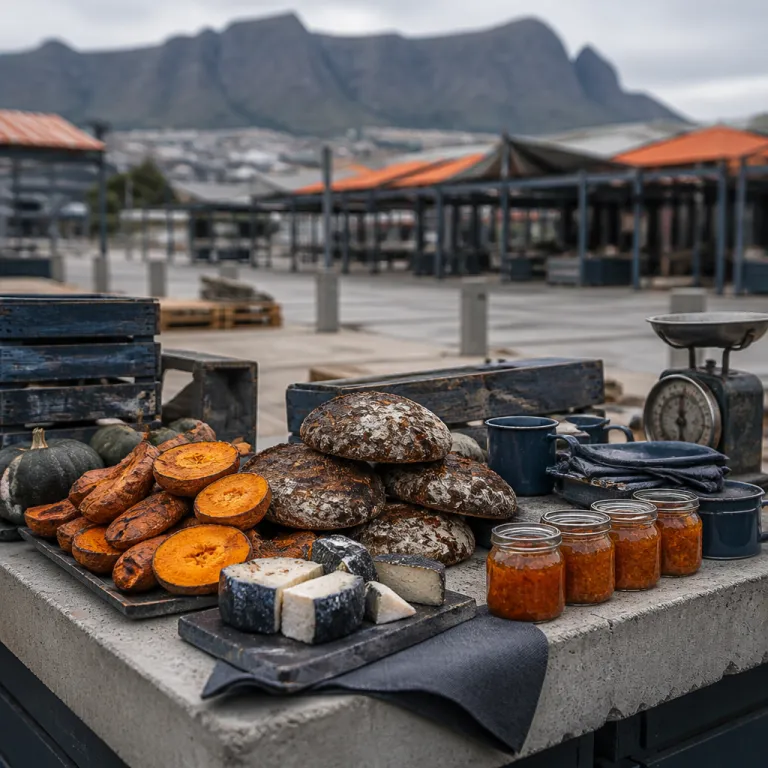
The cape town food markets guide for luxury hotel guests
In Cape Town, the real conversation between mountain and sea happens at the market table, not in the hotel breakfast room. This cape town food markets guide is written for travelers who will trade a silver cloche for a paper plate piled with South African flavours, then walk back to a villa or premium suite along the Atlantic Seaboard with coffee still warm in hand. When you step into these markets you will find how the city eats, shops and gathers, and you start to read the town city like a local rather than a visitor.
Think of each market as a different chapter in the same story about food, wine and community in this cape town food markets guide. Neighbourgoods Market in Woodstock, Oranjezicht City Farm Market near the V&A Waterfront and Mojo Market in Sea Point are not staged events ; they are working community market spaces where fresh produce, wines and artisan products move quickly from stall to plate. The best way to use this guide is simple ; choose one market cape experience per day, arrive early, and let your appetite rather than your itinerary set the time.
Luxury travelers often ask whether leaving a five star breakfast for a crowded market makes sense in South Africa. The answer is yes, because these markets reveal the city centre food values better than any white tablecloth restaurant, and they connect seamlessly with the rest of your travel guides, from a wine bar in the Cape Winelands to a villa above Camps Bay. This cape town food markets guide will show you where you will find the town best stalls, which hotels sit within walking distance, and how to turn a simple time market visit into a ritual that anchors your stay in Cape Town.
Neighbourgoods Market, Woodstock: creative energy and warehouse mornings
Neighbourgoods Market in Woodstock is Cape Town's original gourmet market, and it still feels like the city’s creative engine room on a Saturday. Housed in the Old Biscuit Mill, this market cape institution brings together more than one hundred vendors, from South African biltong specialists to bakers whose sourdough sells out long before lunchtime. The air smells of coffee, grilled meat and fresh herbs, and you will find that the crowd mixes villa owners from the Atlantic Seaboard with students from the city centre and travelers comparing travel guides over flat whites.
Arrive between 9:00 and 10:00, and your time market experience shifts from a rushed visit to a slow morning, which is the real luxury in this cape town food markets guide. Choose one stall for a first breakfast, perhaps a plate of free range eggs with fresh produce on the side, then a second for something sweet, and finally a stand pouring natural wines from the Cape Winelands. By the time you leave, you will have tasted products that rarely appear on hotel menus, and you will understand why the organisers say, “Neighbourgoods Market: 9:00 AM - 2:00 PM”.
For hotel guests, location matters as much as food. From premium addresses in the city centre and De Waterkant, a short ride brings you into Woodstock’s industrial streets, where street art and design shops Cape sit beside the market entrance. If you are staying in a villa in the southern suburbs, plan a slightly earlier start to beat the traffic and give yourself time to shop for picnic food before an afternoon transfer to a refined safari retreat such as Sabi Earth Lodge for Cape Town travellers, where those market cheeses and wines taste even better after a game drive.
Oranjezicht City Farm Market: farm to fork at the waterfront
Oranjezicht City Farm Market sits at the edge of the V&A Waterfront, yet it feels more like a country fair than a tourist zone. Under its white tents you will find tables piled high with fresh produce, organic vegetables, local honey and flowers, all grown within the Western Cape and broader South Africa. With around one hundred and twenty vendors, it has become the town best example of how a city can support local farmers while feeding a demanding urban palate.
This cape town food markets guide treats Oranjezicht as the place where hotel guests can reset their relationship with breakfast. Arrive early on a Saturday or midweek market day, and you will find juicers pressing citrus to order, bakers slicing still warm loaves and chefs turning seasonal products into plates that rival any hotel buffet. It is also where you will find some of the best vegetarian and vegan food in the city, alongside stalls offering South African classics that pair beautifully with a glass of Méthode Cap Classique from nearby Cape Winelands estates.
From luxury hotels along the Waterfront, Green Point and the city centre, this market is an easy walk, which makes it ideal for solo travelers who prefer to shop without a car. Guests staying at landmark properties overlooking the harbour can weave a market morning into a broader waterfront itinerary, perhaps combining it with a visit to the reimagined Table Bay icon described in this detailed review of an InterContinental reinvention of Cape Town's waterfront landmark. If you are based in a villa on the Atlantic Seaboard or in the southern suburbs, plan your route so that the market becomes your first stop of the day, then continue on to a long lunch in the winelands using this refined escape to the winelands of Franschhoek from Cape Town as your guide.
Mojo Market and the Atlantic Seaboard: from sea point to kalk bay
Mojo Market in Sea Point is Cape Town’s answer to the modern food hall, and it plays a different role in this cape town food markets guide. Open daily, it blends permanent food stalls, a wine bar or two and live music into a space that feels more like a lounge than a traditional community market. For solo travelers staying in Sea Point or along the Atlantic Seaboard, it becomes an easy default for a casual dinner, a glass of wine and some people watching after a day on the promenade.
The rhythm here is less about early morning fresh produce and more about evening energy, with jazz on Tuesday nights and regular events that pull in both locals and visitors. You will find tacos, ramen, South African braai plates and plant based options, all under one roof, which makes it ideal when you want to sample multiple food styles without leaving the city. Order a tasting flight at a wine bar stall, then move to another counter for dessert, and you will understand why this market cape format works so well for travelers who value time as much as they value flavour.
Mojo Market also anchors a broader Atlantic Seaboard circuit that this guide recommends. Start with a morning swim or walk in Sea Point, move through the shops Cape along Regent Road, then ride the coastal road towards Camps Bay and on to Kalk Bay for harbourfront fish and chips, turning the whole day into a rolling market of tastes. Whether you are based in a villa above Clifton, a premium hotel in the city centre or a guesthouse in the southern suburbs, this stretch of coast shows how the town city lives between ocean and mountain, and how markets and food halls knit that landscape together.
From quick visit to ritual: how to use markets like a local
There is a difference between ticking off a market visit and building a market morning into your Cape Town stay. The first is about taking a few photos, buying a snack and leaving, while the second is about giving yourself enough time to sit, taste and talk to producers about their food and wines. In this cape town food markets guide, the emphasis is firmly on the second approach, because that is where the city’s character reveals itself.
Start by arriving early, ideally within the first hour of opening, when the air is cool and the stalls are fully stocked with fresh products. Choose one coffee vendor and return to them each time you visit, then do the same with a bread stall, a fresh produce stand and a favourite wine bar or juice counter, so that you build small relationships that make each market feel like your own community market. Over a few days you will find that vendors remember your preferences, recommend new wines or cheeses and point you towards special events that never make it into mainstream travel guides.
For luxury hotel guests, the ritual extends beyond the market gates. Bring reusable bags back to your villa or suite, unpack your finds onto a marble countertop and turn them into a light lunch between spa appointments or city centre gallery visits. When you plan your day around a market morning rather than squeezing it between other attractions, you will find that Cape Town slows down, the town best flavours come into focus and the line between traveler and temporary local begins to blur.
Where to stay for market mornings: mapping hotels to markets
Choosing the right base in Cape Town can turn this cape town food markets guide into a lived itinerary rather than a wish list. If Neighbourgoods Market is your priority, look for premium hotels or serviced apartments in the city centre, De Waterkant or Woodstock itself, where a short ride or even a brisk walk brings you to the Old Biscuit Mill in time for the first coffee pour. Guests who prefer Oranjezicht City Farm Market should focus on the Waterfront, Green Point and nearby town city districts, where harbour views and easy access to the market sit comfortably together.
For travelers drawn to Mojo Market and the Atlantic Seaboard lifestyle, Sea Point is the obvious choice, with its dense strip of hotels, guesthouses and long stay apartments that let you treat the market as an extension of your hotel lounge. From here you can also reach Camps Bay, Clifton and even villas further along the coast, using the market as your casual dining room after days spent exploring South African art, hiking Table Mountain or driving out towards the Cape Winelands. Those staying in the southern suburbs, closer to Constantia’s wine estates, will find that a car or ride share makes it easy to rotate between markets while still returning to leafy streets and quiet pools each afternoon.
Wherever you stay, remember that Cape Town’s markets are designed to support local farmers, promote artisanal foods and foster community engagement, and that “Arrive early to avoid crowds. Bring reusable bags. Check market websites for updates.”. Align your hotel choice with the markets you most want to frequent, and you will find that your days fall into a satisfying rhythm of food, wine and city exploration. In a town best known for its scenery, these markets show that the real luxury lies in how you spend your time, what you choose to eat and the conversations you share at a crowded wooden table.
FAQ about Cape Town’s food markets
What time do Cape Town’s main Saturday markets open ?
Neighbourgoods Market in Woodstock generally runs from 9:00 to 14:00, while Oranjezicht City Farm Market near the V&A Waterfront usually opens from 8:00 to 14:00 on Saturdays. Arriving within the first hour gives you the best access to fresh produce and avoids the heaviest crowds. Mojo Market in Sea Point opens earlier in the day and trades into the evening, but its energy peaks around dinner time.
Are Cape Town’s food markets suitable for solo travelers ?
These markets are ideal for solo travelers because the communal tables and counter style dining make it easy to sit, eat and people watch without feeling conspicuous. Neighbourgoods, Oranjezicht and Mojo Market all attract a mix of locals and visitors, so you can blend in while sampling a wide range of food and wines. Staying in nearby city centre, Waterfront or Sea Point hotels keeps walking routes short and safe during busy trading hours.
Can I buy fresh produce and cook it in my hotel or villa ?
Yes, many luxury apartments and villas in Cape Town include well equipped kitchens, and even some premium hotel suites offer kitchenettes. Oranjezicht City Farm Market is particularly strong on fresh produce, herbs and pantry products, while Neighbourgoods adds cheeses, charcuterie and baked goods that travel well. If you plan to cook, bring a reusable bag and ask vendors which items will keep best for a day or two.
Which market is best for local South African flavours ?
Neighbourgoods Market offers the broadest snapshot of South African street food, from boerewors rolls to regional curries and Cape Malay inspired dishes. Oranjezicht leans more towards farm to fork cooking but still includes stalls that reinterpret local classics with seasonal ingredients. Mojo Market layers in global comfort food yet you will still find South African braai plates and wines from the Cape Winelands on many menus.
Are Cape Town’s food markets family and pet friendly ?
Both Neighbourgoods Market and Oranjezicht City Farm Market welcome pets, and families with children are a common sight at all three markets. Early morning hours are usually calmer and more comfortable for families, with easier seating and shorter queues. Mojo Market’s evening events can be lively, so families often prefer daytime visits or earlier dinners there.