Why the winelands of Franschhoek belong on your Cape Town itinerary
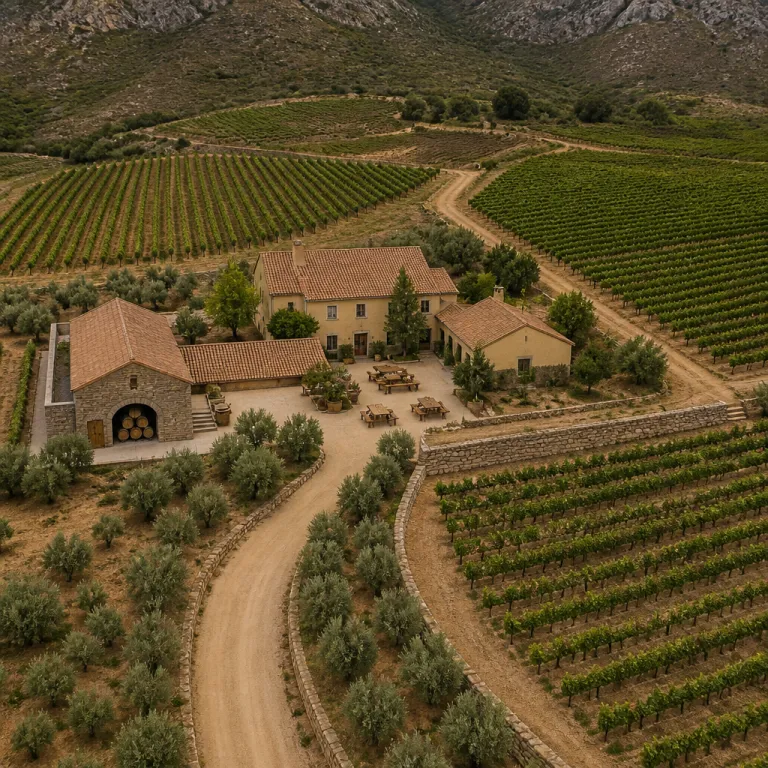
The winelands of Franschhoek form one of the most elegant country escapes from Cape Town. This historic valley lies about 75 kilometres east of the city, framed by dramatic Cape mountains and sculpted vineyards that define the wider Cape Winelands. Travellers who pair a luxury hotel in Cape Town with a stay in the Franschhoek valley gain a layered experience of South Africa, moving from ocean facing glamour to tranquil wine estate living.
Franschhoek, meaning “French Corner”, was established by French Huguenots who settled here to cultivate vineyards and preserve their heritage. That legacy still shapes every glass of Franschhoek wine and every row of vines you see across the valley, where around 30 wineries and wine estates welcome guests for curated tastings. According to the Franschhoek Wine Valley Association’s official winery directory and South African Tourism Board regional visitor reports (both consulted 2024), the town now attracts roughly 150 000 visitors each year, many of whom arrive from Cape Town seeking a refined wine tasting day or an indulgent long weekend.
For luxury travellers, the appeal lies in how seamlessly a Cape Town hotel stay connects with the winelands of Franschhoek and neighbouring Stellenbosch. You can leave a waterfront suite after breakfast, follow the scenic wine route through Paarl and Stellenbosch, and be checked into a serene wine estate by lunchtime. This proximity means you can plan flexible itineraries that include a city based hotel, a winelands cape retreat in the Franschhoek valley, and even a safari extension elsewhere in South Africa without sacrificing comfort or time.
From Cape Town hotels to Franschhoek wine estates by tram, car, or chauffeur
Most luxury guests begin their journey in Cape Town, choosing a premium hotel either in the V&A Waterfront, the Atlantic Seaboard, or the historic town centre. From these bases, the drive into the Cape interior towards the Franschhoek valley takes around one hour and fifteen minutes under normal traffic, based on Western Cape road travel estimates for the 75 kilometre route. Many five star hotels will arrange private transfers, allowing you to move from a city suite to a countryside wine estate without handling a single bag yourself.
Once you arrive in the town of Franschhoek, the famous wine tram becomes an effortless way to explore multiple wineries in a single day. The Franschhoek wine tram operates several colour coded lines that loop through different wine estates, each line offering a curated wine tasting experience with scheduled stops. This structure allows you to enjoy wines at a chosen winery, linger over food and wine pairings, then board the next tram without worrying about driving between estates.
Many travellers pair the wine tram experience with a night or two at a luxury hotel on a working wine estate such as Mont Rochelle, La Motte, Boschendal, or Haute Cabrière. Staying on an estate means you can walk from your suite to the vines at sunrise, then later join a guided wine tasting before dinner in the town. If you are planning a broader South Africa itinerary that includes safari, consider combining your winelands stay with an intimate bush retreat such as the one described in this Sabi Sand luxury lodge escape from Cape Town, which balances the indulgence of wine estates with wildlife focused days.
Choosing the right season for a Franschhoek wine valley escape
Seasonality shapes the character of the winelands of Franschhoek, so timing your trip from Cape Town matters. Harvest time between February and April is widely regarded as the most atmospheric period, when grapes are being picked, cellar doors are busy, and the valley hums with energy. Local tourism guidance from the Franschhoek Wine Valley Association and Western Cape destination planners confirms that “February to April during the harvest season” is considered the best time to visit Franschhoek for an immersive wine experience.
Outside harvest, winter brings crisp mornings, roaring fireplaces in your hotel lounge, and excellent value at many wine estates. This cooler season suits travellers who prefer slow days, long lunches, and fewer crowds on the wine route that links Stellenbosch, Paarl, and the Franschhoek valley. If you are planning a longer journey through South Africa that includes both winelands and safari, consult resources such as this guide on the ideal season to visit South Africa for luxury stays and safaris to align weather, wildlife, and wine tasting priorities.
Spring and early summer suit travellers who want bright vineyard landscapes and warm but not overpowering temperatures. During these months, you can enjoy extended terrace lunches on wine estates, then return to a shaded pool at your hotel overlooking the wine valley. Whatever the season, planning at least one full day in Franschhoek and another in nearby Stellenbosch ensures you experience both the French influenced town and the more academic wine culture of Stellenbosch Franschhoek country.
Hidden gem destinations beyond the main Franschhoek wine route
While the central Franschhoek wine route is deservedly famous, several quieter corners of the Cape Winelands reward guests who linger. One such hidden gem is the rural area between Franschhoek and Paarl, where smaller wineries and family run wine estates offer intimate tastings far from the main tram lines. Here, you can speak directly with local winemakers who continue the traditions first brought by the French Huguenots, gaining insight into how specific wines reflect the soils and slopes of each estate.
Another under the radar destination is Riebeek Kasteel, a charming town in the Swartland region north of Cape Town. While not part of the immediate Franschhoek valley, Riebeek Kasteel pairs beautifully with a winelands cape itinerary, especially for travellers who appreciate bold, terroir driven wines and a slower pace. You might spend a day in Franschhoek tasting méthode cap classique sparkling wines, then head to Riebeek Kasteel the next day for Mediterranean influenced food and wine pairings in a more rustic setting.
Art lovers should also explore the smaller art galleries scattered around the outskirts of Franschhoek, not only those on the main street in town. Several wine estates host rotating exhibitions, allowing you to move from a sculpture garden to a cellar tasting in a single visit. As one local gallery owner put it during a recent harvest festival, “People come for the wine, but they stay for the stories and the art on the walls.” To plan these quieter experiences, consult platforms such as franschhoek org and local tourism offices, which maintain updated lists of wineries, estates, and cultural events that sit slightly beyond the usual wine tram circuits.
Where to stay: pairing Cape Town luxury hotels with Franschhoek estates
Thoughtful hotel choices will elevate your winelands of Franschhoek journey from pleasant to exceptional. In Cape Town, many travellers start with a waterfront or city centre hotel that offers easy access to Table Mountain, the Atlantic beaches, and the historic town streets. Selecting a property with a dedicated concierge team helps you coordinate transfers, restaurant reservations, and timed wine tasting appointments across the wider Cape Winelands.
Once you move into the Franschhoek valley, consider splitting your stay between a central town hotel and a countryside wine estate. A town based property places you within walking distance of Franschhoek’s renowned restaurants, art galleries, and cafés, ideal for guests who enjoy evening strolls and spontaneous dining. A night or two on a wine estate such as Mont Rochelle then adds privacy, vineyard views, and the pleasure of waking up surrounded by vines rather than streets.
Some travellers also like to include a night in nearby Stellenbosch or Paarl to deepen their understanding of South African wines. Stellenbosch Franschhoek routes highlight academic wine research and historic estates, while Paarl offers robust reds and expansive views across the Cape interior. For those who appreciate walkable neighbourhoods, consider reading about staying in De Waterkant, Cape Town’s compact village district, in this guide to a walkable Cape Town village where car keys stay at reception before heading inland to the wine valley.
Designing a refined multi day itinerary around the winelands of Franschhoek
A well structured itinerary allows you to enjoy both Cape Town and the winelands of Franschhoek without feeling rushed. One elegant pattern begins with three nights in a Cape Town hotel, followed by two nights in the Franschhoek valley and an optional extension to Stellenbosch or a safari lodge elsewhere in South Africa. This sequence moves from ocean and city energy to vineyard calm, then onwards to wildlife or further cape exploration.
On your first full day in Franschhoek, focus on the wine tram and its curated wine tasting experiences. Choose a line that visits a mix of historic wine estates and contemporary wineries, ensuring you sample both classic Franschhoek wine styles and innovative blends. The next day, arrange private tastings at one or two favourite estates, perhaps including Mont Rochelle, La Motte, Boschendal, or Haute Cabrière, then spend the afternoon exploring art galleries and cafés in town before a final dinner featuring seasonal food and wine pairings.
Guests with a deeper interest in wine often add a day trip to Stellenbosch or Paarl to compare different wine valley expressions within the broader Cape Winelands. Stellenbosch Franschhoek routes highlight academic and experimental wines, while Paarl offers generous reds and spacious estates that contrast with the more intimate Franschhoek valley. Throughout your journey, you will notice how each estate, winery, and town contributes a distinct note to the overall South African wine experience, reinforcing why so many travellers return to visit Franschhoek and its neighbours again.
Heritage, culture, and the human stories behind Franschhoek wines
The winelands of Franschhoek are not only about polished tasting rooms and luxury hotels; they are also about people and history. The valley’s story begins with the French Huguenots who arrived seeking religious freedom and brought viticulture skills that transformed this corner of the Cape. Over time, local winemakers, restaurateurs, and hospitality teams have layered their own traditions onto that foundation, creating a uniquely South African expression of European heritage.
Today, Franschhoek stands as a meeting point between French influenced cuisine, Cape Dutch architecture, and contemporary African creativity. Many estates host food and wine festivals, art exhibitions, and cultural events that celebrate this blend, while the town’s museums quietly honour the original settlers. When asked “What is Franschhoek known for?”, local tourism authorities answer succinctly: “Renowned for its wine estates and fine dining.”
For travellers, engaging with this heritage might mean joining a cellar tour that explains how traditional wine presses evolved, or visiting a small winery where the owner still walks the vineyards daily. It could also mean browsing art galleries that showcase South African artists, then enjoying a tasting menu that pairs local produce with Franschhoek wine on a terrace overlooking the valley. By the time you return to your Cape Town hotel or onward South Africa destination, you will carry not just memories of wines and views, but a deeper appreciation of the human stories that shaped this remarkable wine valley.
Key figures about Franschhoek and the Cape Winelands
- Franschhoek hosts around 30 wineries within its valley, according to the Franschhoek Wine Valley Association’s published winery list (figures accessed 2024), giving visitors an unusually high concentration of wine estates in a compact area.
- Approximately 150 000 people visit Franschhoek each year, based on South African Tourism Board regional visitor statistics and Western Cape tourism data (latest consolidated reports consulted 2024), which places the town among the most popular wine destinations in South Africa.
- The distance between Cape Town and Franschhoek is roughly 75 kilometres, meaning most travellers can reach their hotel or wine estate in about one hour and fifteen minutes by road under standard traffic conditions, according to regional route planners.
- The main harvest season typically runs from February to April, and local tourism bodies highlight this period as offering the most immersive wine tasting atmosphere, with active cellars and vineyard activity.
FAQ about staying in Franschhoek and the Cape Winelands
What is Franschhoek best known for among travellers ?
Franschhoek is best known for its concentration of wine estates, refined food and wine experiences, and French influenced heritage. Local tourism authorities summarise it clearly: “Renowned for its wine estates and fine dining.” The combination of historic wineries, contemporary restaurants, and scenic valley views makes the town a flagship destination within the Cape Winelands.
How far is Franschhoek from Cape Town, and how do I get there ?
Franschhoek lies about 75 kilometres east of Cape Town, and the drive usually takes around one hour and fifteen minutes. Most luxury hotels in Cape Town can arrange private transfers, while self drivers follow a well signposted route via Stellenbosch or Paarl. Some guests also combine private car transfers with the Franschhoek wine tram once they arrive in town for safe, relaxed wine tasting days.
When is the best time of year to visit Franschhoek ?
The most atmospheric time to visit Franschhoek is during the harvest season from February to April, when vineyards are active and cellars are busy. Local tourism guidance specifically notes that “February to April during the harvest season” offers the richest wine focused experience. Outside harvest, winter brings cosy fireplaces and quieter estates, while spring and early summer offer bright vineyard landscapes and comfortable temperatures.
How many wineries are there in the Franschhoek valley ?
The Franschhoek valley is home to around 30 wineries, according to the Franschhoek Wine Valley Association. This density allows visitors to explore multiple wine estates in a single day, especially when using the Franschhoek wine tram. Many travellers choose to stay overnight in town or on an estate hotel to enjoy tastings at an unhurried pace.
Can I combine Franschhoek with other South African destinations in one trip ?
Franschhoek combines easily with Cape Town, Stellenbosch, Paarl, and safari regions elsewhere in South Africa. A common itinerary includes several nights in a Cape Town hotel, followed by a stay in the Franschhoek valley and then a safari lodge in a private reserve. This pattern offers a balanced experience of city culture, wine valley relaxation, and wildlife viewing within a single, coherent journey.
References
- South African Tourism Board (regional visitor statistics, accessed 2024)
- Franschhoek Wine Valley Association (winery directory and visitor figures, accessed 2024)
- Western Cape tourism authorities and route planners (distance and travel time guidance, accessed 2024)