The slow travel philosophy in Cape Town’s luxury hotels
Slow travel in Cape Town begins with a decision to trade urgency for intention. In a city where the Atlantic wraps around the Cape Peninsula and Table Mountain rises behind every second street, the most memorable luxury hotels invite you to linger rather than tick off sights. Here, high-end stays become less about status and more about how you feel when you finally exhale.
Across the city, from the V&A Waterfront to the quieter suburbs south of Constantia, a new generation of boutique hotels and house-style stays is designing for pause. International visitors increasingly spend a week or more in Cape Town, and that longer duration rewards couples who choose one or two bases instead of a frantic circuit of resorts. When you treat the city as a temporary home, every view from your room, every walk to a neighbourhood bar, and every slow breakfast becomes part of a deeper South African rhythm.
Luxury here is not only about a private pool or a marble hotel spa, although both are easy to find in Cape Town and across South Africa. It is about rooms that frame the city and the mountain, and staff who quietly check what you really need rather than what the brochure suggests. The most interesting slow-travel-focused hotels now talk about silence, daylight and unhurried service as seriously as they talk about a fitness centre or a swimming pool.
Hotels designed for pause: rooms, views and unhurried service
Some of the best hotels in Cape Town have started to design rooms around absence rather than excess. You will see it in a view hotel that removes televisions, in a house on the Atlantic Seaboard that replaces a desk with a daybed facing the ocean, and in a city retreat where the loudest sound is the wind on Table Mountain. This is where intimate, design-led properties quietly reset what a stay can feel like for couples who want time together rather than constant entertainment.
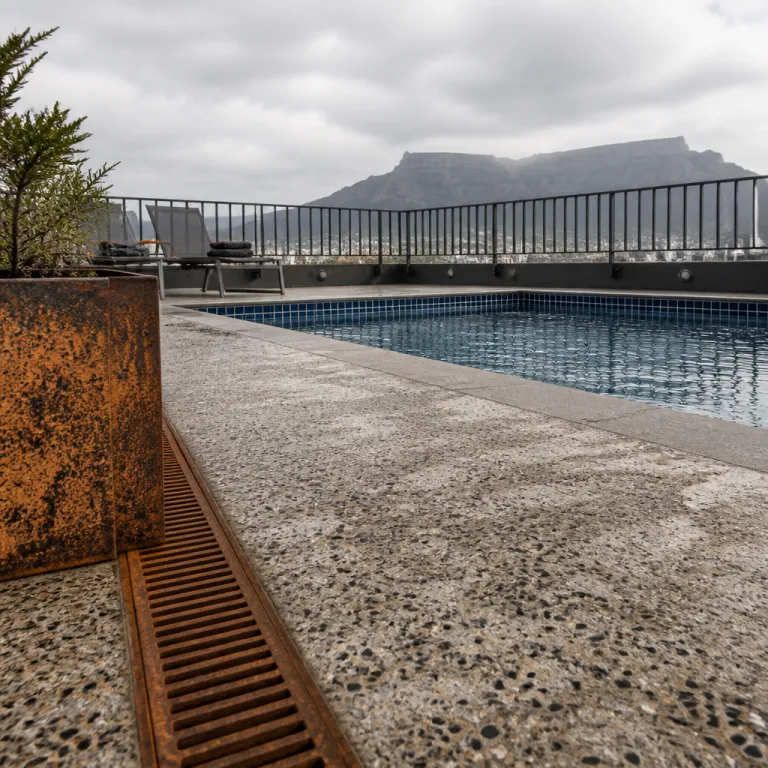
At O'Two Hotel in Mouille Point, the rooftop pool and bar are treated as an open living room rather than a scene, and guests drift between the swimming pool, the spa area and the view of the Cape without pressure to join activities. Cape Diem Lodge leans into slow mornings with unhurried breakfasts that stretch well beyond the usual cut-off, while Glen Avon Lodge uses tranquil gardens and generous rooms to make staying in feel as rewarding as heading into the city. Heirloom Restaurant at Cape Grace extends breakfast and lunch service, turning the hotel's waterfront setting into a place where long lunches replace rushed sightseeing and where a glass of South African chenin blanc can easily become an afternoon ritual.
Service culture follows the same rhythm, with honesty bars replacing crowded counters and staff encouraging you to enjoy the hotel spa or fitness centre whenever it suits your own travel clock. Many hotels across the city now offer flexible check-in and late check-out, which quietly supports the art of doing nothing without ever using that phrase. If you plan to explore Cape Town after dark, the most thoughtful properties will even align restaurant times and bar service with the kind of late suppers and rooftop cocktails highlighted in this guide to Cape Town’s jazz bars and night-time cocktails.
Winter in the Mother City: fireplaces, storms and intentional stillness
Winter in Cape Town is when slow travel shows its most luxurious side. The city’s South Atlantic storms roll in over the peninsula, and the best hotels turn their attention inward with fireplaces, deep sofas and rooms designed for watching weather rather than chasing sunshine. For couples who value stillness, this is when quiet, high-end retreats feel like private hideaways rather than busy resorts.
Properties such as Ellerman House in Bantry Bay use their clifftop position to frame the ocean as theatre, with every room and every shared lounge offering a different view of the city and the sea. Cape Grace, long considered one of the best hotels on the waterfront, leans into winter with a hotel spa that feels cocooned from the harbour wind, and a bar where South African reds replace summer spritzes. Mount Nelson, set back from the main city streets, turns its gardens and lounges into a winter salon, where afternoon tea stretches into evening drinks and the swimming pool becomes a quiet reflective space rather than a place to be seen.
Slow travel in this season also intersects with the ethics of travel in South Africa, because fewer transfers and longer stays reduce the carbon impact per night. When you choose One&Only Cape Town or another major city resort as a base for several days, you can explore nearby neighbourhoods, beaches and wine farms without constant check-in and check-out stress. Community-led experiences in areas such as Khayelitsha, described in this piece on who benefits when tourists visit Khayelitsha, become easier to integrate when your hotel is a calm anchor rather than a quick stop.
Long stays, gentle itineraries and where to check in
International visitors now often stay close to ten nights in Cape Town, and that single trend should shape how you think about your own itinerary. Instead of three hotels in three nights, a slower approach encourages you to choose one city base and one coastal or wine-country house, then build your days around mood rather than obligation. A long stay also means you can appreciate both the private comforts of your room and the shared life of the hotel bar, spa and gardens without feeling you are wasting time.
Ellerman House works beautifully as a first stop for couples who want a refined view hotel with serious art, a strong South African wine cellar and a sense of being in the city yet slightly apart from it. One&Only Cape Town, often shortened to One&Only Cape Town in travel searches, offers larger-scale luxury with a lagoon-style swimming pool, a full fitness centre and a hotel spa that suits guests who like resort-style amenities but still want to walk into the V&A Waterfront. Mount Nelson, with its pastel façade and long lawns, suits travellers who prefer to be closer to the cultural heart of town south of the mountain, where galleries, Kloof Street restaurants and small hotels across the city create a softer urban rhythm.
For those drawn to the idea of a tented camp or a safari-style extension to their city stay, it can be tempting to add multiple domestic flights across South Africa. A more sustainable approach is to pair your Cape Town hotel with a regional lodge reached by a single transfer, using resources such as this guide to elegant safari lodges in South Africa to plan one thoughtful extension. That way, your slow travel itinerary respects both your own energy and the environmental cost of every additional journey.
How hotels operationalize the art of doing nothing
The most convincing slow-travel-oriented hotels in Cape Town do not just talk about relaxation; they build it into their operations. Across the city, properties are extending breakfast hours, adding afternoon tea and creating self-service bars so that guests can move at their own pace. One industry summary puts it plainly: "Hotels like Cape Diem Lodge and Heirloom Restaurant at Cape Grace offer extended breakfast hours."
On the ground, that means you can sleep late after a night in the city, then wander down to breakfast without watching the clock, which is a small but powerful shift in how a hotel treats your time. Glen Avon Lodge uses its gardens and flexible dining to encourage guests to stay on property for long stretches, turning the house and its rooms into a gentle base for day trips to the beach or the winelands. At O'Two Hotel, the rooftop pool and bar operate almost as a private club for in-house guests, with an honesty-bar-style approach that lets you pour a drink, check the view of Table Mountain and return to your lounger without signing slips.
Wellness follows the same logic, with many hotels across Cape Town now offering spa menus that prioritise longer, slower rituals over quick fixes. A hotel spa that combines hydrotherapy, quiet relaxation rooms and access to a swimming pool or fitness centre allows you to treat wellness as an unhurried part of your day rather than a rushed appointment. In this context, the art of doing nothing is not laziness; it is a deliberate design choice that respects how couples actually want to travel in South Africa.
FAQ
Which Cape Town hotels are best for slow travel focused couples?
Ellerman House, Cape Grace, Mount Nelson and One&Only Cape Town all work well for couples who value slow travel and extended stays. Each offers generous rooms, a strong sense of place and amenities such as a spa, bar and swimming pool that make staying in feel as rewarding as heading out. Smaller properties like Cape Diem Lodge and Glen Avon Lodge add a house-style intimacy that suits travellers who prefer quieter hotels.
How long should I stay in Cape Town for a relaxed itinerary?
A stay of at least seven to ten nights allows you to experience Cape Town, the surrounding Cape Peninsula and nearby wine regions at a comfortable pace. This aligns with the current pattern of longer international trips, which reflects a growing preference for extended, slower journeys. With that duration, you can combine city days, beach walks, spa time and occasional excursions without feeling rushed.
Are extended breakfasts and afternoon teas common in Cape Town hotels?
Many luxury hotels in Cape Town now offer extended breakfast hours and afternoon tea as part of a broader slow travel philosophy. Properties such as Cape Diem Lodge and the Heirloom Restaurant at Cape Grace are known for relaxed morning service that runs well into late morning. Afternoon tea has become a signature feature at several city hotels, especially during the cooler winter months.
How does slow travel in Cape Town support sustainability?
Slow travel reduces the number of flights, transfers and short hotel stays, which lowers the carbon impact per night. When you base yourself in one or two hotels and use local transport or private drivers for day trips, you spend more time in the city and less time in transit. Longer stays also encourage deeper engagement with South African communities and businesses, from neighbourhood restaurants to community-led tours.
Can I combine a Cape Town slow travel stay with a safari experience?
It is entirely possible to pair a slow travel stay in Cape Town with a safari, especially if you choose one well-located lodge rather than several. Many travellers spend a week or more in the city, then add a few nights at a tented camp or game reserve reached by a single flight or drive. This approach keeps the focus on intentional experiences while still offering the contrast between city, Cape coastline and South African wilderness.