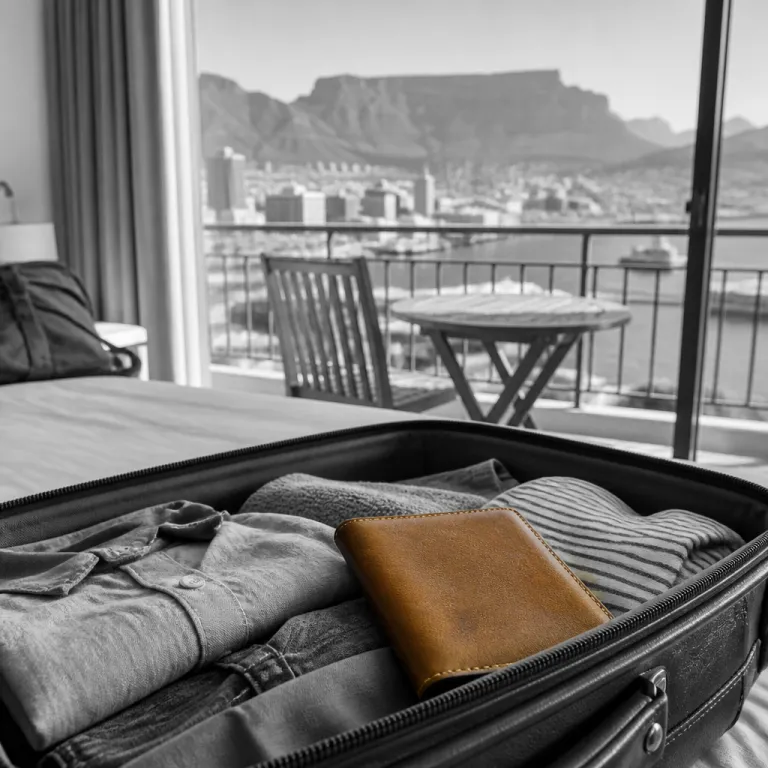
Why Cape Town now ranks as the world’s most beautiful city
Time Out’s global survey has just named Cape Town the world’s most beautiful city, and the result formalizes what luxury travelers have felt for years. In a poll of more than 24 000 respondents across multiple cities, published in February 2024 and based on locals rating their hometowns for beauty, the media group reported that 86% of Capetonians described their city as beautiful, placing the Mother City ahead of Edinburgh, Sydney, Chicago and Lisbon in the beauty rankings. As Time Out put it, “Few cities can match Cape Town's dramatic combination of mountains, ocean, vineyards and historic neighbourhoods”, a line that has already been quoted across South African and international travel media and referenced in coverage by Cape Town Etc and The South African.
For couples weighing a long weekend in Cape Town against Edinburgh or Sydney, the numbers matter because they reflect a broad global sentiment rather than a single critic’s view. The survey confirms that this city in the south of Africa is not only a beautiful place by local standards but one of the most striking urban landscapes anywhere, with a mountain to ocean to vineyard trifecta within roughly a 30 minute drive. That compressed geography shapes how you plan your time, because you can wake to a Lion’s Head sunrise, lunch in the Constantia valley and end with cocktails above Camps Bay in a single day, without ever feeling rushed; one local hotelier describes guests returning from such a loop “convinced they’ve visited three different destinations in 12 hours”.
From a hospitality perspective, the new ranking arrives as the tourism sector in South Africa matures beyond safari centric itineraries. Cape Town now competes head on with the best cities for urban breaks, and the city’s hotel pipeline reflects that shift with new openings along the Atlantic Seaboard and in the V&A Waterfront, alongside established icons such as The Silo Hotel and One&Only Cape Town. For travelers, this means a wider list of high end options in the city cape area, but also rising demand in peak season as global travel patterns respond to the news coverage of the city being named most beautiful and the social media images that follow; several luxury properties report festive season occupancy above 80% being reached months earlier than before the ranking.
From Table Mountain to Camps Bay: how to structure a luxury stay
Planning around Cape Town’s “world’s most beautiful city” accolade starts with understanding the city’s natural beauty and how it shapes movement. Table Mountain, Lion’s Head and the Twelve Apostles form a granite amphitheater around the town, while the Atlantic and False Bay coasts carve out distinct microclimates that influence when and where you book. For couples, the best time to balance warm weather, lighter crowds and premium room rates is often the shoulder seasons of late October to early December and February to April, when the south easterly winds soften, average daytime highs sit in the mid twenties Celsius and the light over the cape peninsula turns cinematic, especially around sunset on Signal Hill or the Sea Point Promenade.
A classic three to five night itinerary in this part of South Africa might anchor you for two nights near the V&A Waterfront for easy access to Robben Island ferries, city galleries and fine dining, then move you to an ocean facing address in Camps Bay or Clifton. From there, a day trip along Chapman’s Peak Drive to Noordhoek and back via Hout Bay shows why the city was named most beautiful, with every curve revealing new angles on sea cliffs and fynbos covered slopes. Another day can be dedicated to the penguins at Boulders Beach and the dramatic lighthouse at Cape Point, turning the cape peninsula into a full loop that still allows you to be back in town for a late dinner at a wine bar in Bree Street or a chef’s counter in Woodstock, where locals and visitors often end up comparing favourite viewpoints from the week.
Couples combining Cape Town’s world’s most beautiful city recognition with a wider South African journey often pair the Mother City with the Cape Winelands or a private reserve in the Eastern Cape. If you are planning a romantic escape, specialist itineraries such as curated South Africa honeymoon packages for an elegant Cape Town escape can help you secure the best city views, late check outs that matter after long haul flights and private transfers between hotels and wine estates. Throughout, remember that this is one of the best cities in Africa for food and wine, so allow time for Constantia’s heritage estates, Woodstock’s experimental kitchens and Sea Point’s casual bistros rather than treating the city merely as a gateway, and consider booking sought after tables at least four to six weeks in advance in peak months, when popular chef’s counters and wine bars routinely sell out.
What the ranking means for Cape Town’s luxury hotels and future demand
The recent “most beautiful city in the world” title is already influencing how international travelers perceive Cape Town, especially when comparing it with Edinburgh, Sydney or Paris for a first time trip to Africa. Time Out’s list has been widely shared by South African and global news outlets, reinforcing Cape Town’s status as both the best city in South Africa for scenery and one of the best cities worldwide for lifestyle focused tourism. For the tourism sector, that kind of advertisement is priceless, even if it is technically editorial rather than paid promotion, and local tourism boards report a noticeable spike in online searches and social media mentions in the weeks after publication, echoing trends highlighted in The South African’s analysis of tourism interest.
On the ground, hoteliers report earlier bookings for high season and more email address enquiries from North American couples who previously might have chosen other cities, with some luxury properties now filling prime festive season dates six to nine months ahead. Luxury properties along the Atlantic Seaboard and in the central city are refining their privacy policy language and guest communication to reassure first time visitors who may still associate South African travel with safari rather than urban stays. At the same time, a wave of design led renovations, explored in depth in analyses of how international architects are reshaping Cape Town’s hotel interiors, is aligning the city cape hospitality scene with the expectations of travelers who are used to the best city hotels in Europe and Asia, from rooftop pools to art filled lobbies and locally commissioned photography of Table Mountain.
For travelers, the practical takeaway from Cape Town’s most beautiful city ranking is clear: book earlier, stay longer and think beyond the postcard views. Allocate at least one morning to walking the Bo Kaap beyond the colourful façades with a heritage focused guide, because the area’s Cape Malay history is as much a part of this beautiful city as the beaches. Then balance that with time on the sand at Camps Bay, a swim near the penguins at Boulders Beach and a late afternoon ascent of Table Mountain, so that when you compare Cape Town with other beautiful cities such as Edinburgh or Sydney, you are judging from lived experience rather than a list, and carrying home your own story rather than someone else’s caption, whether that is a memory of a sunset over Lion’s Head or a quiet coffee in a Bree Street side alley.
Sources
Time Out global city survey 2024; Cape Town Etc coverage of the ranking; The South African analysis of tourism trends.