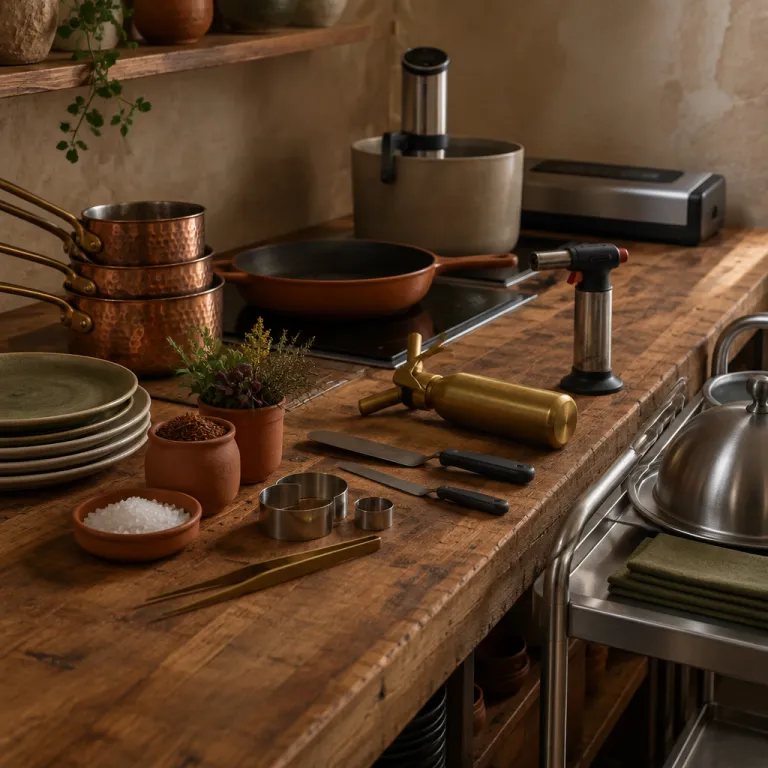
Why the Test Kitchen restaurant in Cape Town matters for luxury hotel guests
The Test Kitchen restaurant in Cape Town reshaped how luxury travellers think about dining. In a former industrial space in Woodstock, this influential fine-dining address showed that a kitchen can be both laboratory and stage. Today, premium hotels across Cape Town and wider South Africa design their food experiences around its legacy.
For guests booking five-star rooms, the question is no longer only which hotel has the best suite or most attentive service. Many now ask which property offers priority access to a Test Kitchen–inspired experience, or to chefs who trained under Luke Dale-Roberts and his TTK Fledglings protégés. As one Cape Town concierge explains, “Guests will happily downgrade a room category if it means we can secure the right table.” This shift means that a hotel’s dining room and its connection to The Test Kitchen story can be as decisive as its spa or pool.
High-end travellers often plan an entire Cape Town stay around a single tasting menu reservation. They will choose a hotel in South Africa that can secure a table at the most sought-after restaurants, arrange transfers to the Old Biscuit Mill, and curate a wine pairing that reflects both South African terroir and broader African influences. For a luxury booking website, highlighting these restaurant partnerships and Test Kitchen–inspired menus is now essential.
From dark room to light room: how immersive courses influence hotel dining
The original Test Kitchen journey famously moved guests from a moody Dark Room to an uplifting Light Room. That progression turned each course into a narrative chapter, not just another plate of food. Luxury hotels in Cape Town now borrow this idea to design multi-space dining experiences within their own properties.
Some hotel restaurants create a pre-dinner lounge that echoes the Dark Room atmosphere, where guests taste small South African snacks and share a first glass of wine. They then move into a brighter dining room that recalls the Light Room, with large window panels that open towards Table Mountain or the Atlantic coastline. This open-window effect mirrors the emotional shift that made The Test Kitchen restaurant in Cape Town so compelling for fine-dining travellers.
When you browse a premium booking website, look for hotels that describe their menu as a journey rather than a static list of dishes. Properties that reference a tasting menu format, chef’s table experiences, or collaborations with alumni from acclaimed restaurants such as TTK Fledglings usually understand this immersive approach. For more context on how neighbourhood venues now rival formal tasting menus, read this analysis of Cape Town restaurants where a local table sometimes beats a tasting menu.
Booking strategies: securing Test Kitchen linked tables through your hotel
Securing a table at a Test Kitchen–linked restaurant in Cape Town can be as competitive as booking the best suite. Many South Africa visitors underestimate how quickly top restaurants fill, especially those associated with Luke Dale-Roberts or his wider Restaurant Africa network. A smart hotel booking strategy can dramatically improve your chances.
When comparing luxury properties on a booking website, examine how each concierge team handles restaurant reservations. Some hotels maintain standing allocations at leading venues, including dining rooms led by Luke Dale-Roberts alumni or chefs who worked in the original Test Kitchen dining room. Others offer curated food itineraries that combine a formal tasting menu one night with more relaxed restaurants in Woodstock or the City Bowl on other evenings.
Ask your chosen hotel whether they can arrange a multi-course experience that reflects The Test Kitchen restaurant Cape Town philosophy, even if you cannot secure the exact table you wanted. Many chefs now offer a Test Kitchen–style menu that pairs South African wine with inventive food inspired by the Old Biscuit Mill era. To understand how sustainability and biodiversity are reshaping these menus, see this feature on Cape Town fine dining and the UNESCO biodiversity pilot.
Designing a hotel stay around food, wine and the Biscuit Mill legacy
For many culinary travellers, the Old Biscuit Mill in Woodstock, Cape Town remains a symbolic address. This former industrial complex, once home to the original Test Kitchen restaurant Cape Town, still anchors a vibrant cluster of restaurants, wine bars and design studios. Choosing accommodation with easy access to this district can transform how you experience South Africa’s culinary capital.
Some luxury hotels now offer shuttle services that run directly between their lobby and the Biscuit Mill area. Others curate half-day itineraries that combine a market-style lunch, a visit to TTK Fledglings or another Luke Dale-Roberts project, and a late-afternoon tea back at the hotel. When a booking website highlights such packages, it signals that the property understands how deeply food and restaurant culture shape a Cape Town itinerary.
Look for rooms with a window that opens towards either Table Mountain or the harbour, because the view becomes part of your pre-dinner ritual. Enjoy a glass of South African wine while reading the evening menu, then head out for a multi-course experience that might end with inventive ice cream or a playful biscuit-inspired dessert. This rhythm between hotel room comfort and restaurant adventure is what defines the best food-focused stays in South Africa.
Wellness, afternoon tea and Test Kitchen inspired comfort for hotel guests
Not every meal in Cape Town needs to be a long tasting menu with ten or more courses. Luxury hotels increasingly balance high-intensity restaurant evenings with gentler rituals such as afternoon tea, spa treatments and relaxed in-room dining. The influence of The Test Kitchen restaurant Cape Town still appears in these quieter moments, often through technique and flavour rather than format.
Some properties collaborate with chefs who trained under Luke Dale-Roberts to design afternoon tea menus that reinterpret South African classics. You might taste rooibos-infused ice cream, delicate savoury bites that echo a Test Kitchen canapé, or pastries that reference the Old Biscuit Mill heritage. Even room service can carry this signature, with compact menus that offer one or two dishes built around the same precise cooking you would expect at a top restaurant in town.
When evaluating hotels on a booking website, pay attention to how they describe their wellness and tea offerings. A property that invests in thoughtful food at every level, from the main dining room to the lounge and terrace, usually delivers stronger overall service. For an example of how top hotels reimagine their wellness spaces to match elevated dining, review this report on a Cape Town spa pop up that complements fine dining stays.
How rankings, awards and TTK Fledglings shape hotel choices
International rankings such as The World’s 50 Best Restaurants and the S.Pellegrino lists have amplified Cape Town’s status as a serious food destination. The Test Kitchen restaurant Cape Town appeared in the World’s 50 Best extended rankings every year from 2012 to 2019, peaking at number 22 in 2016 according to the official list, which drew global attention to South Africa’s culinary scene. Even after its transformation, the halo effect continues to influence where discerning travellers choose to stay.
Many luxury hotels now highlight their proximity to award-winning restaurants or their collaborations with chefs who worked with Luke Dale-Roberts or his protégés. The TTK Fledglings initiative, which focuses on training young talent, also matters for guests who care about the social impact of their dining choices. When a booking website mentions partnerships with such programmes, it signals that the property engages with the broader Restaurant Africa community rather than treating food as a simple amenity.
As you compare options, consider how each hotel talks about its kitchen, its chef and its relationship to the wider Cape Town food network. A property that can secure a table at a leading tasting menu venue, arrange a casual lunch at one of the best restaurants in town, and still serve excellent in-room ice cream or late-night snacks will usually deliver a richer stay. In this context, the legacy of The Test Kitchen restaurant in Cape Town becomes a practical tool for evaluating which hotels truly understand five-star dining in South Africa.
Key figures shaping luxury dining and hotel bookings in Cape Town
- According to The World’s 50 Best Restaurants ranking, Cape Town venues such as The Test Kitchen and FYN have appeared multiple times in the top 100 globally, with The Test Kitchen reaching number 22 in 2016 and FYN entering the list at number 92 in 2022.
- South African Tourism’s 2019 international visitor survey reports that food and wine experiences rank among the top three reasons leisure travellers choose South Africa, influencing both restaurant reservations and premium room bookings.
- A 2023 report from luxury travel agency Virtuoso notes that more than half of surveyed high-end travellers are willing to change hotels if another property can secure a table at a specific flagship restaurant in town.
- Data from Cape Town’s official tourism authority, Cape Town Tourism, highlights that neighbourhoods like Woodstock and the Biscuit Mill precinct have seen strong growth in visitor numbers over the past decade, largely due to their concentration of acclaimed restaurants and wine bars.
- Global hospitality analyses from firms such as JLL and Deloitte suggest that hotels with recognised chef partnerships or tasting menu concepts can command higher average daily rates compared with similar properties without strong restaurant identities.
FAQ: planning a Test Kitchen inspired stay in Cape Town
How far in advance should I book fine dining restaurants in Cape Town ?
For top-tier venues connected to The Test Kitchen restaurant Cape Town legacy, aim to book several weeks ahead. During peak travel periods, some of the best restaurants in Cape Town may require even more notice. Using a luxury hotel concierge often improves your chances of securing a preferred date and time.
Which Cape Town areas are best for food focused hotel stays ?
Woodstock, the Biscuit Mill precinct, the City Bowl and the V&A Waterfront all offer strong access to acclaimed restaurants. Staying in or near these districts shortens travel time between your room and your chosen table. Many premium hotels in these areas also maintain close relationships with leading chefs.
Can my hotel arrange a tasting menu if I cannot get a Test Kitchen related booking ?
Many luxury properties now offer in-house tasting menu experiences inspired by The Test Kitchen restaurant Cape Town approach. Chefs often design multi-course menus that showcase South African ingredients and thoughtful wine pairings. Ask your hotel in advance so they can plan a tailored menu for your stay.
Is Cape Town suitable for travellers who prefer casual food rather than formal courses ?
Cape Town excels at both relaxed and formal dining, often within the same neighbourhood. You can enjoy simple South African food at local restaurants for lunch, then reserve a more elaborate multi-course dinner on another evening. A good hotel concierge will help you balance casual meals with special-occasion reservations.
How important is proximity to the Old Biscuit Mill when choosing a hotel ?
Being close to the Old Biscuit Mill and Woodstock is helpful if you prioritise restaurant visits and market-style experiences. However, efficient transport links mean you can still reach this area easily from central Cape Town or the Waterfront. Focus on a hotel that combines strong dining access with the level of comfort and service you expect.